
Rick Scott Admits US Iran Plan is “Hope for the Best” Amid War
Senator Reveals Lack of Post-War Plan as Iran Conflict Escalates
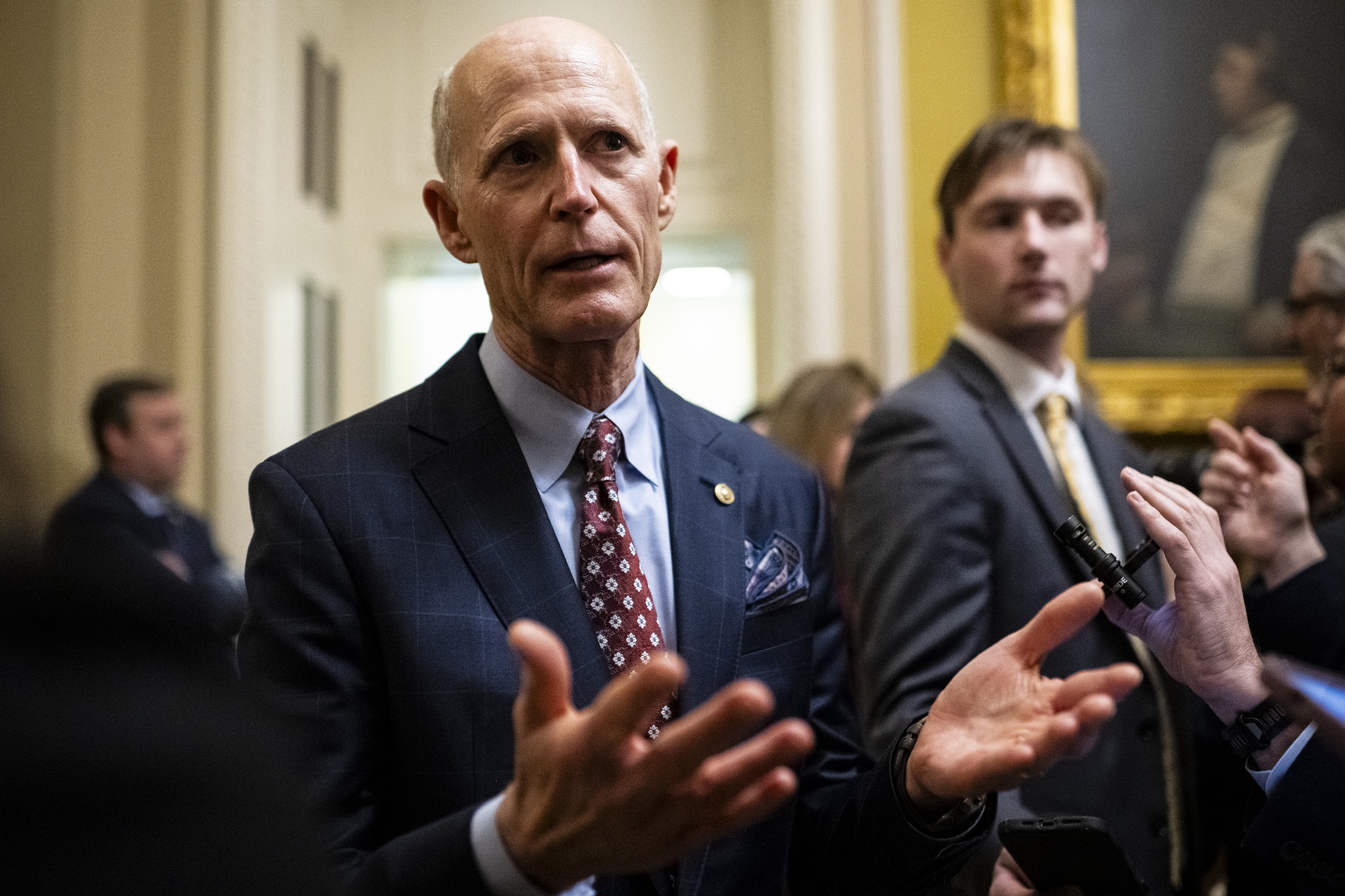
WASHINGTON – Senator Rick Scott (R-FL) revealed on Tuesday that the U.S. Has no clear plan for governing Iran following the ongoing war initiated by President Donald Trump, stating the administration’s approach is to “hope for the best and spot what happens.” The admission comes as Trump has publicly asserted his intention to dictate the future leadership of Iran, contradicting earlier justifications for the conflict centered on promoting democracy and freedom within the country, according to a recent report in The Atlantic.
During a CNBC interview, Scott was pressed on potential candidates to lead Iran after the war. He acknowledged a lack of consideration for post-conflict leadership, deferring to other priorities. “With regard to Iran, we don’t have somebody yet,” Scott stated. “Am I hopeful? Absolutely. But what’s important to me is to destroy all their ability to kill us. I mean, you can hope for a regime change, but in the meantime, let’s destroy their ability to kill more Americans.” He reiterated the sentiment, suggesting the U.S. Should simply “hope for the best and see what happens” once that objective is met, as reported by Aaron Rupar.
Scott’s comments carry weight given his position on key Senate committees. He serves on the Committee on Armed Services, the Committee on Homeland Security and Governmental Affairs and the Foreign Relations Committee, receiving regular briefings from the White House on the war’s progress. His lack of knowledge regarding post-war planning raises questions about the extent of strategic foresight within the administration.
The Senator’s framing of Iran as an existential threat – possessing an “ability to kill us” – stands in contrast to pre-war intelligence assessments. Reports indicate that prior to the conflict, the Pentagon informed Congress that there was no indication Iran posed an imminent threat to U.S. Interests, either domestically or abroad. Assessments concluded that Iran was nowhere near capable of producing a nuclear weapon – two justifications repeatedly cited by the Trump administration for initiating the war.
Experts warn that the ongoing conflict may inadvertently accelerate Iran’s pursuit of nuclear capabilities. Sina Toossi, a senior nonresident fellow at the Center for International Policy, argued in an op-ed for Al Jazeera earlier this month that “If Iran survives the current conflict, the lessons Iranian leaders draw from this moment may motivate them to pursue a nuclear deterrent.”
As the war continues, the question of who will govern Iran remains unanswered, and the administration’s reliance on a strategy of “hope” raises concerns about the potential for prolonged instability and unintended consequences in the region.