
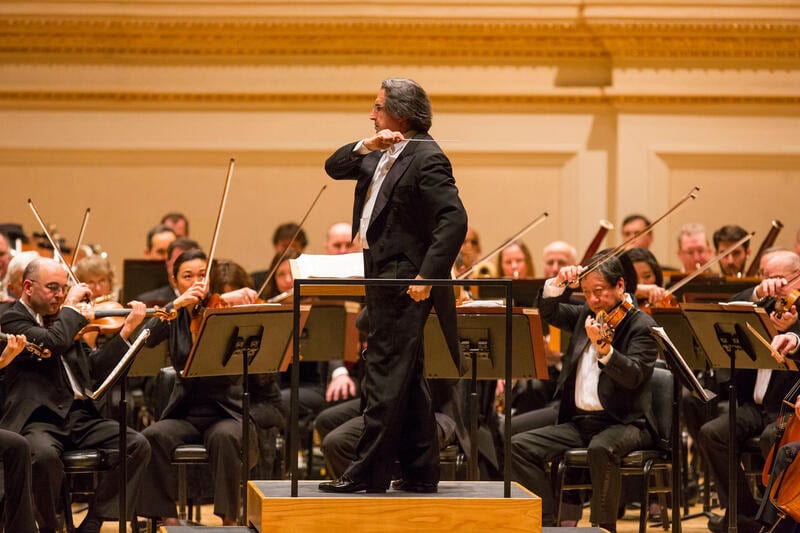
Riccardo Muti Stops Concert to Confront Latecomers | Chicago Symphony Orchestra
Muti’s Milestone Marred: Maestro’s Outburst at Chicago Symphony Sparks Debate on Concert Etiquette
Riccardo Muti, celebrating his 600th concert with the Chicago Symphony Orchestra on March 20th, publicly berated latecomers during a performance featuring soprano Lidia Fridman. The incident, occurring as Fridman prepared to sing “Ebben? … Ne andrò lontana” from Alfredo Catalani’s La Wally, underscores a growing tension between artistic integrity and audience behavior, raising questions about the role of decorum in modern concert halls and the potential need for robust event management protocols.
A Legacy of Passion, and Outbursts
Muti’s reaction, while startling to some, isn’t entirely out of character. Reports from the Chicago Tribune indicate that such displays of frustration are not uncommon for the conductor, known for his exacting standards and deep reverence for the musical canon. However, the incident arrives at a particularly sensitive moment for the CSO, as they navigate a landscape where attracting new audiences – and ensuring their engagement – is paramount. The orchestra’s brand equity, carefully cultivated over decades, relies on presenting itself as both artistically elite and welcoming to a diverse public.
The Fridman Factor: A Rising Star’s U.S. Debut
The concert itself was significant for several reasons, most notably marking the U.S. Debut of Russian soprano Lidia Fridman. Having already collaborated with Muti on productions of Verdi’s Macbeth in Turin, Italy, Fridman’s presence was a key draw for audiences. As she noted in pre-concert interviews, performing with the CSO held particular meaning, representing a major milestone in her burgeoning international career. Her performance, alongside tenor Francesco Meli, culminated in Act IV of Puccini’s Manon Lescaut, a program deliberately designed by Muti to showcase the power of Italian opera. Fridman’s social media, as reported on her Facebook page, expresses gratitude for the warm reception in Chicago, further highlighting the potential damage to her brand from the surrounding controversy.
The Economics of Disruption: Late Arrivals and Lost Revenue
Beyond the artistic affront, Muti’s outburst touches on a critical economic reality for performing arts organizations. Late arrivals disrupt the performance experience for other patrons, creating a ripple effect of distraction. More importantly, they represent a lost opportunity for revenue. According to a 2023 report by the League of American Orchestras, the average ticket price for a CSO concert is approximately $85. While a single late arrival may not seem significant, a consistent pattern of tardiness can erode the overall audience experience and discourage repeat attendance. Here’s where proactive event management becomes crucial. Organizations are increasingly turning to specialized event management firms to implement strategies for minimizing disruptions, including timed ticketing, pre-concert reminders, and dedicated ushers to enforce seating policies.
“The challenge for orchestras today isn’t just about attracting an audience; it’s about cultivating a concert-going culture that respects the artistic process and the experience of all attendees. That requires a multi-faceted approach, from clear communication to robust enforcement of policies.”
– Eleanor Vance, Principal Consultant, Arts Audience Development Group
The Intellectual Property Angle: Toscanini’s Legacy and Artistic Control
Muti’s invocation of Arturo Toscanini is particularly telling. Toscanini, a legendary conductor known for his uncompromising standards, represents a bygone era of artistic control. Muti’s reference isn’t merely a nostalgic flourish; it’s a statement about the sanctity of the musical score and the conductor’s role as its interpreter. This ties into broader discussions surrounding intellectual property rights in the performing arts. While the composer holds the copyright to the music, the conductor’s interpretation is a unique artistic creation, deserving of respect. Any disruption to that interpretation, Muti argues, is a violation of that artistic integrity. This is an area where specialized IP law firms are increasingly involved, advising orchestras and performing arts organizations on protecting their artistic brand and navigating complex copyright issues.
Social Media Fallout and Reputation Management
The incident quickly spread across social media, sparking a debate about Muti’s behavior and the expectations of concert audiences. While some praised Muti for defending artistic standards, others criticized him for his harsh tone. The incident highlights the importance of proactive reputation management in the digital age. A negative narrative, if left unchecked, can quickly damage an organization’s brand image and erode public trust. In situations like these, swift and strategic communication is essential. Organizations often rely on crisis communication firms to develop and execute a response plan, mitigating negative publicity and restoring public confidence. The CSO has yet to release an official statement addressing the incident, a silence that is itself becoming a point of discussion.
The Future of Concert Etiquette: A Balancing Act
The Muti outburst serves as a stark reminder that the concert hall is not simply a venue for entertainment; it’s a space for shared artistic experience. Maintaining that experience requires a delicate balance between artistic freedom, audience engagement, and respectful behavior. As orchestras continue to adapt to a changing cultural landscape, they must find innovative ways to foster a concert-going culture that values both artistic excellence and audience inclusivity. The incident also underscores the need for clear communication of concert hall etiquette, both before and during performances.
Disclaimer: The views and cultural analyses presented in this article are for informational and entertainment purposes only. Information regarding legal disputes or financial data is based on available public records.