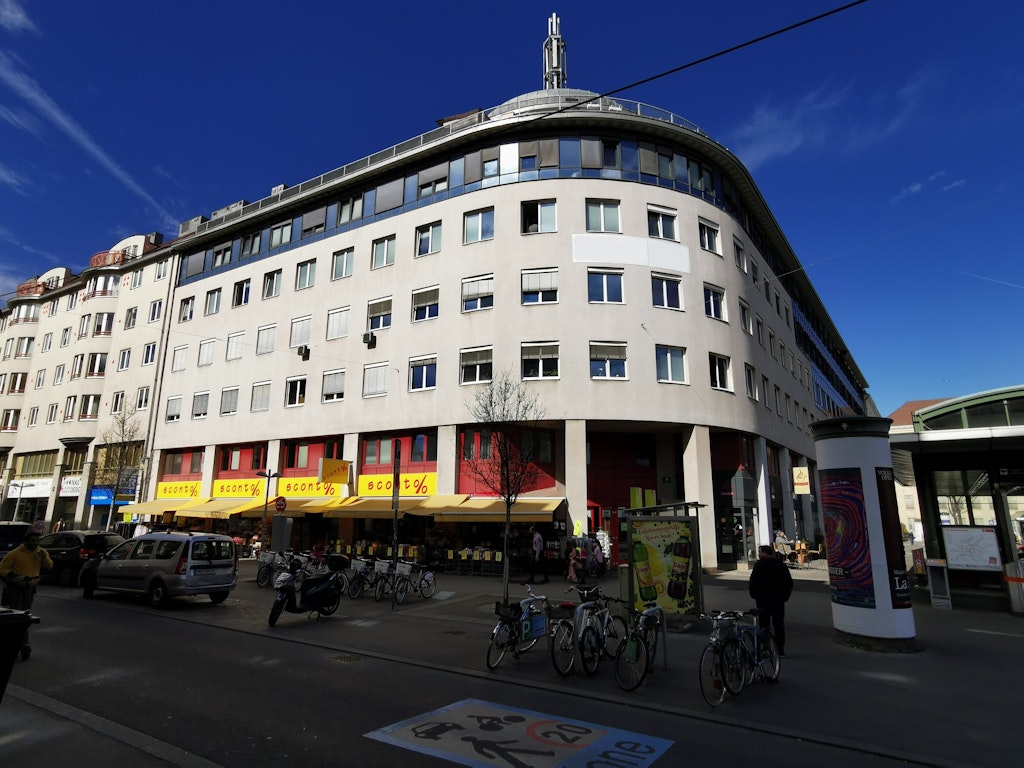
Revetas Capital Enters Vienna Market With Office-to-Residential Conversion
London-based private equity firm Revetas Capital has entered the Vienna real estate market through an off-market acquisition of a commercial office building slated for residential conversion. This strategic move leverages the capital-intensive repurposing of underutilized workspace into high-demand housing, marking a pivot toward urban densification within the Austrian capital.
Capital Deployment and The Shift in Asset Allocation
Revetas Capital’s entry into the Vienna market follows a period of stagnation in the city’s commercial office sector, driven by structural changes in tenant requirements and rising interest rate environments. According to the Oesterreichische Nationalbank (OeNB), commercial real estate prices in Austria have faced significant downward pressure as yield spreads widened. By targeting off-market assets, Revetas aims to circumvent the competitive bidding processes that often inflate entry costs in core European markets.
The transition from office space to residential units reflects a broader European trend where firms attempt to stabilize cash flows against the volatility of commercial lease renewals. Managing such transitions requires rigorous oversight, particularly regarding zoning compliance and environmental retrofitting. Investors often rely on [Legal Advisory and Compliance Firms] to navigate the complex regulatory framework governing the conversion of historic or commercial structures into residential zones in Vienna.
Macroeconomic Drivers of the Vienna Residential Conversion
The decision to convert office space is fundamentally a response to supply-demand imbalances in urban housing. While office vacancy rates have climbed in the post-pandemic period, the demand for residential rental units in Vienna remains high. This creates an arbitrage opportunity for firms capable of executing large-scale structural renovations.
Institutional investors are increasingly wary of the “green premium” required for modern office assets. When assets fail to meet the energy efficiency standards mandated by the European Energy Performance of Buildings Directive, the cost of capital for renovation can become prohibitive. Conversion to residential use often offers a clearer path to asset appreciation, provided the developer manages the construction risk effectively.
“The ability to re-price risk in the current interest rate environment is the primary differentiator for private equity firms. Those who focus on adaptive reuse rather than speculative development are better positioned to protect their internal rate of return (IRR) as the market resets,” states a senior analyst tracking European real estate credit markets.
Risk Mitigation and Operational Execution
Executing an off-market acquisition requires sophisticated financial structuring. Revetas must account for the current liquidity constraints in the banking sector, where loan-to-value (LTV) ratios for commercial conversions are being scrutinized more heavily than in previous fiscal quarters. The complexity of these transactions often necessitates the involvement of [Corporate Finance and Restructuring Specialists] to ensure that the debt stack is sustainable over the multi-year construction lifecycle.
Supply chain bottlenecks for specialized building materials continue to impact project timelines. Any delay in the conversion process directly erodes the project’s margin, as carrying costs remain elevated due to persistent inflation in the construction sector. Investors tracking these developments should monitor the Statistics Austria building cost indices to gauge the impact on future residential supply pricing.
Market Outlook and Strategic Positioning
As the market moves toward the next fiscal year, the success of the Revetas project will likely be measured by its ability to achieve “stabilized occupancy” within the residential segment. This requires not only physical renovation but also effective asset management that aligns with the specific demographic shifts in Vienna’s residential districts.
The broader trend suggests that institutional capital will continue to flow toward “value-add” opportunities where the underlying real estate can be repurposed. For firms looking to participate in or service this sector, engaging with [Institutional Asset Management and Advisory Partners] remains essential for identifying future off-market targets before they hit the broader auction blocks.
Ultimately, the Vienna entry represents a calculated bet on the resilience of residential demand over the cyclical obsolescence of traditional office assets. As liquidity remains tight, the winners in this space will be those who can bridge the gap between distressed commercial assets and the urgent need for modernized living space.