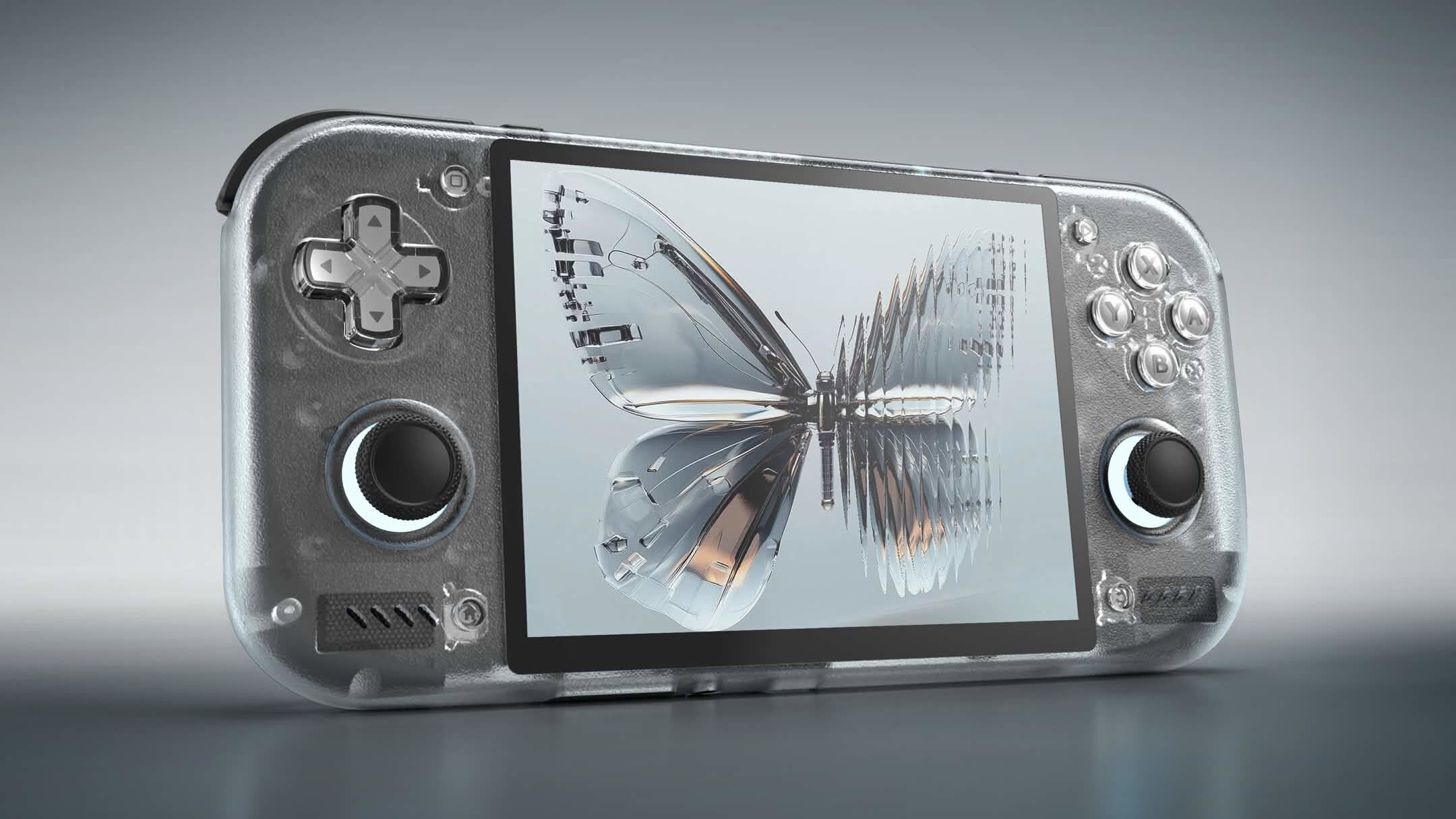
Retroid Pocket Nova Handheld Gaming Console Unveils 4.5-Inch 120Hz OLED Screen
Retroid Pocket Nova: Architectural Breakdown of the New 120Hz Handheld
Retroid has confirmed the hardware specifications for the upcoming Pocket Nova handheld, featuring a 4.5-inch 1,280 x 960 OLED panel capable of a 120Hz refresh rate. According to official disclosures via the manufacturer’s Discord channel on June 23, 2026, the device moves away from standard LCD configurations to prioritize motion clarity and high-contrast color reproduction, targeting the niche for low-latency emulation and native Android gaming.
The Tech TL;DR:
- Display Specs: A 4.5-inch OLED panel at 1,280 x 960 resolution, supporting a 120Hz refresh rate for reduced motion blur.
- Design Shift: The unit adopts a transparent chassis aesthetic, diverging from the opaque industrial design of the Pocket 4 Pro.
- Deployment Reality: The device is currently in the late-stage prototype phase, with production color variants finalized as of this morning.
Technical Architecture and Display Latency
The shift to a 1,280 x 960 resolution is a significant departure from the standard 16:9 aspect ratios prevalent in the mobile space. For developers working within the Android Open Source Project (AOSP) framework, this requires specific framebuffer adjustments to avoid scaling artifacts. The 120Hz refresh rate, while impressive, necessitates a SoC capable of maintaining high frame pacing to avoid dropped frames in high-intensity emulation environments.
According to documentation on Android Developer Portal, high-density displays require precise resource management to prevent thermal throttling. When running heavy workloads, such as Dolphin or AetherSX2 emulators, the thermal envelope of the Retroid Pocket Nova will be the primary bottleneck. Users should monitor frame times using command-line tools to ensure the kernel scheduler is prioritizing the performance cores.
# Check current display refresh rate and frame pacing via ADB
adb shell dumpsys display | grep "mRefreshRate"
adb shell dumpsys gfxinfo com.retroid.emulator
Hardware Lifecycle and Supply Chain Integrity
Retroid’s recent image releases confirm a transparent shell design, a common trend in enthusiast handhelds that simplifies visual inspection of internal components. However, for enterprise users and hardware integrators, the physical build quality remains a point of concern. If a device fails under heavy load, the burden of repair often falls on the end-user or specialized third-party shops.
For organizations looking to deploy similar mobile hardware for secure kiosk or testing purposes, it is critical to engage with professional hardware diagnostics and repair services. These firms can perform the necessary teardowns and component-level audits to ensure long-term stability. Without a robust supply chain for replacement parts, the Retroid Pocket Nova risks becoming a “disposable” asset in professional environments.
Security Posture in Android-Based Handhelds
Like many devices in this segment, the Retroid Pocket Nova runs a customized build of Android. This creates a specific attack surface where kernel-level exploits could potentially compromise user data. Cybersecurity auditors, as referenced in the CVE Vulnerability Database, frequently identify outdated security patches in niche Android devices.
If you are integrating these devices into a corporate network, you must ensure that your IT stack is isolated. Deployment of vetted cybersecurity auditors is recommended to verify that the device firmware has not been modified to include persistent backdoors or unencrypted telemetry modules. CTOs should treat these handhelds as untrusted endpoints, enforcing strict containerization or zero-trust network access (ZTNA) protocols.
The Trajectory of Enthusiast Mobile Hardware
The Retroid Pocket Nova represents a maturation of the “classic gamer” hardware market. By moving toward OLED and high-refresh panels, the firm is attempting to bridge the gap between hobbyist DIY builds and consumer-grade electronics. However, success depends on the stability of their software layer. As the industry shifts toward more efficient ARM64 architecture, the ability for Retroid to provide continuous integration (CI) updates for their Android kernel will determine if the device remains viable after its initial launch cycle.
For firms or developers looking to optimize their own hardware stacks, consulting with specialized software development agencies can provide the necessary insight into custom kernel compilation and hardware abstraction layer (HAL) optimization. The hardware is only as capable as the software that manages it.
Disclaimer: The technical analyses and security protocols detailed in this article are for informational purposes only. Always consult with certified IT and cybersecurity professionals before altering enterprise networks or handling sensitive data.