
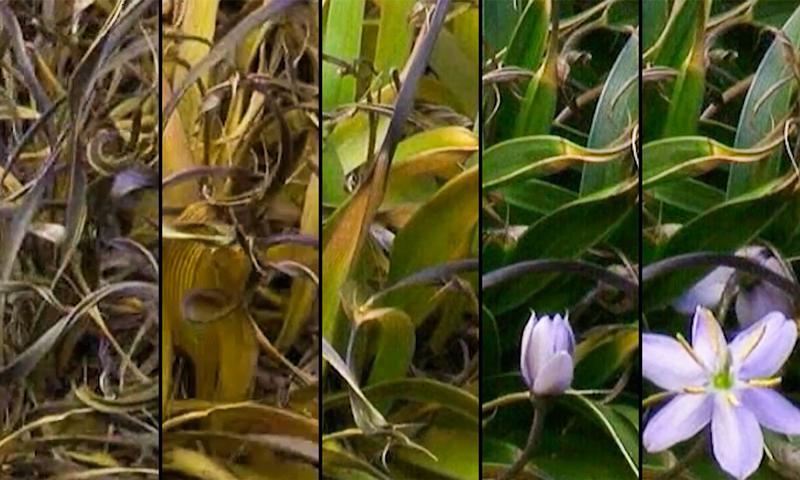
‘Resurrection plants’ bounce back after years of drought. Do they hold lessons for crops?
In the arid landscapes where water is a scarce commodity, a select group of flora possesses a biological superpower: the ability to survive near-total dehydration and “resurrect” upon rehydration. As global temperatures rise and drought patterns intensify, the genetic mechanisms behind these “resurrection plants” are no longer just a botanical curiosity; they represent a critical frontier in the fight for food security. Plant biologist Jill Farrant, a leading voice in this field, posits that decoding these survival pathways could revolutionize crop resilience, potentially stabilizing the global food supply against the escalating threats of climate change.
Key Clinical Takeaways:
- Desiccation Tolerance Mechanism: Resurrection plants utilize specific proteins and sugars to protect cellular structures during extreme water loss, a trait largely absent in standard food crops.
- Translational Potential: Research suggests these genetic traits can be introduced into staple crops like maize and sorghum to enhance drought resistance without compromising yield.
- Regulatory Rigor: Similar to Phase 1 clinical trials in human medicine, agricultural biotech interventions require strict safety profiling to prevent ecological disruption before widespread deployment.
The Biological Architecture of Survival
The core of this scientific inquiry lies in desiccation tolerance. Unlike most vegetation, which suffers irreversible cellular damage when water content drops below a critical threshold, resurrection plants enter a state of suspended animation. They accumulate high concentrations of non-reducing sugars, such as trehalose and sucrose, which replace water molecules around cellular membranes and proteins. This process, known as vitrification, prevents the structural collapse that typically leads to cell death.
Dr. Jill Farrant’s work, often associated with the University of Cape Town and supported by initiatives like the Bill & Melinda Gates Foundation, focuses on identifying the specific gene networks responsible for this tolerance. The objective is not merely to keep plants alive during a drought, but to ensure they recover quickly enough to produce a viable harvest once rains return. This distinction is vital; a plant that survives but fails to yield grain offers no solution to hunger.
“We are not looking for a miracle cure, but rather a genetic toolkit. Just as we understand the pathogenesis of disease to develop targeted therapies, we must understand the molecular pathways of drought survival to engineer resilient crops.”
From Bench to Field: The Regulatory Parallel
Translating these findings from the laboratory to the field requires a level of scrutiny comparable to human pharmaceutical development. In human medicine, as outlined by health authorities, investigational medicinal products must pass through rigorous Phase 1 clinical trials to establish safety and dosage before efficacy is tested in larger populations. While agricultural biotechnology follows a different regulatory framework—often overseen by bodies like the USDA or EPA—the principle of risk mitigation remains identical.
Introducing genetic modifications into the food supply carries potential risks, including unintended ecological impacts or allergenicity. The development of drought-tolerant crops must adhere to a “safety-first” protocol. This involves extensive in vitro testing and controlled environmental trials to assess off-target effects. Just as a Phase 1 trial identifies contraindications in human subjects, agricultural field trials must identify potential disruptions to local ecosystems before a seed is ever sold to a farmer.
For stakeholders in the agribusiness sector, navigating this complex regulatory landscape is as critical as the biological discovery itself. Companies developing these traits often retain healthcare compliance attorneys and regulatory specialists who understand the intersection of biotechnology and public health law. Ensuring that a new crop variety meets international safety standards is a prerequisite for global distribution and adoption.
Implications for Public Health and Nutrition
The stakes of this research extend beyond agriculture into the realm of public health. Drought-induced crop failure is a primary driver of malnutrition and famine in vulnerable regions. By enhancing the morbidity rates of crops—essentially reducing the rate at which they “die” under stress—we can stabilize caloric intake for millions. However, the nutritional profile of these modified crops must remain intact. A drought-resistant maize that lacks essential micronutrients fails to address the root causes of malnutrition.
Current data suggests that the metabolic cost of desiccation tolerance can sometimes reduce growth rates under optimal conditions. This trade-off presents a challenge for breeders. The goal is to activate these survival genes only when stress is detected, a concept known as inducible expression. This precision ensures that the plant does not waste energy on defense mechanisms when water is abundant, maintaining high yields during normal growing seasons.
Environmental health specialists play a crucial role in monitoring the long-term impact of these crops. As new varieties are introduced, ongoing surveillance is necessary to ensure they do not outcompete wild relatives or alter soil microbiomes in detrimental ways. Communities relying on these crops should have access to environmental health specialists who can assess local ecological changes and advise on sustainable farming practices.
The Path Forward
The integration of resurrection plant genetics into staple crops represents a paradigm shift in how we approach food security. It moves the focus from reactive disaster relief to proactive biological engineering. However, the timeline for widespread adoption is measured in years, not months. The rigorous testing required to ensure safety mirrors the painstaking phases of clinical drug development.
As we look toward the future of agriculture, the collaboration between plant biologists, regulatory experts, and public health officials will be paramount. The technology holds immense promise, but its success depends on a commitment to scientific rigor and transparency. For investors and agricultural firms looking to participate in this sector, partnering with agricultural biotech consultants who prioritize evidence-based development is essential to navigate the path from discovery to deployment.
the lesson from the resurrection plant is one of resilience. By harnessing nature’s own survival mechanisms, we may yet secure a future where food systems can withstand the pressures of a changing climate.
Disclaimer: The information provided in this article is for educational and scientific communication purposes only and does not constitute medical advice. Always consult with a qualified healthcare provider regarding any medical condition, diagnosis, or treatment plan.