
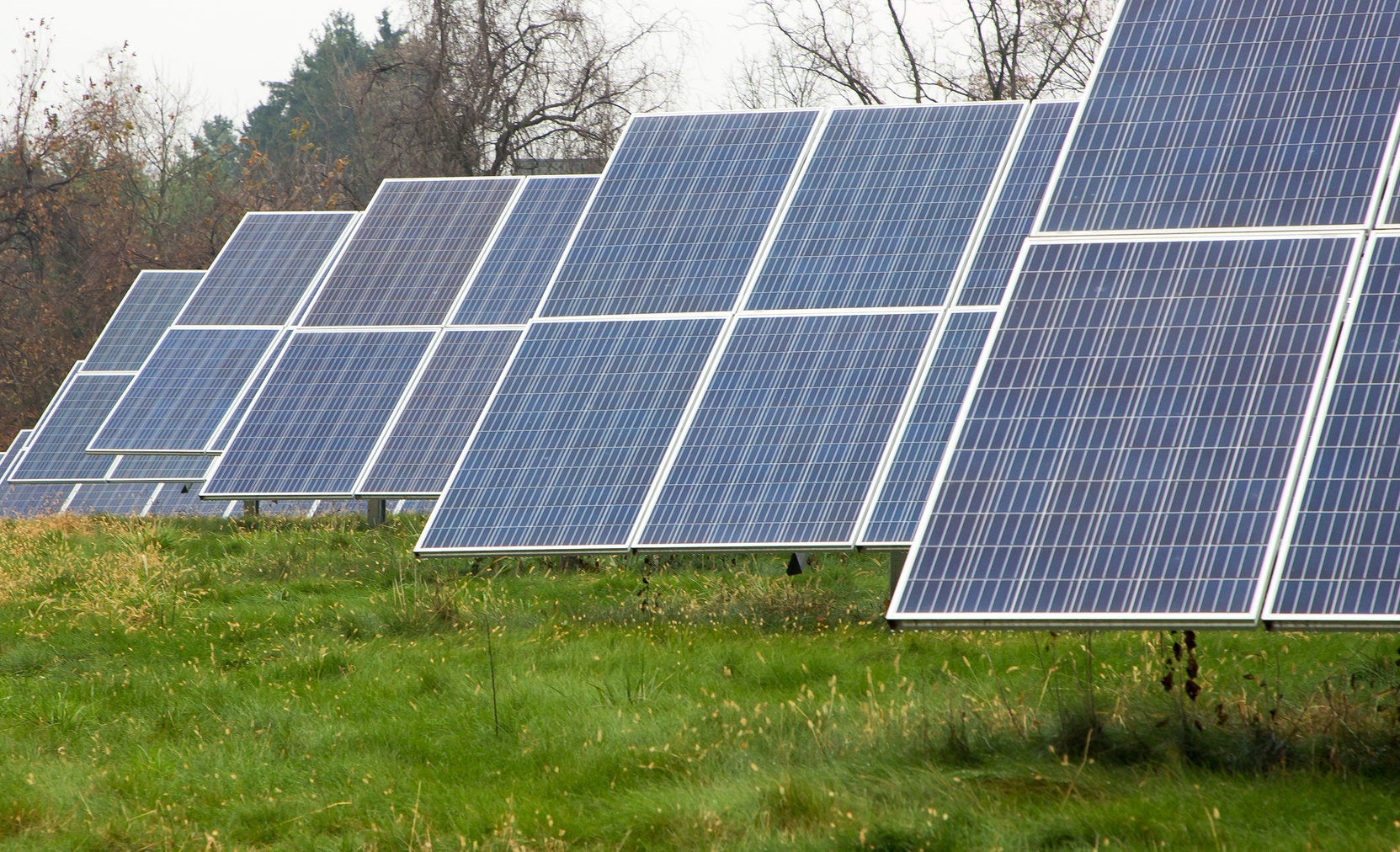
Residential Solar Installations Surge as Federal Tax Credit Deadline Looms
Philadelphia, PA – The residential solar industry is experiencing an unprecedented surge in demand as homeowners rush to capitalize on a significant federal tax credit that is set to expire at the end of 2025.This influx of business, while initially a boon, is creating operational challenges and uncertainty for companies like Solar States, a Philadelphia-based installer.Micah Gold-Markel, founder of solar States, described the current situation as a “rush” that is challenging to manage. “Our sales people are as busy as they’ve ever been, but we’re also looking at an enormous cliff at the end of the year,” Gold-Markel stated. The urgency stems from the 30% federal tax credit for residential clean energy, which requires installations to be completed by December 31, 2025, to be eligible.
This deadline is forcing companies to rapidly scale up, leading to accelerated hiring. However, Gold-Markel anticipates potential layoffs in January due to the anticipated drop in demand following the credit’s expiration. “We have an enormous amount of work,” he explained, “but it’s very likely not going to continue into the future.The thing that you need in business is surety.”
The federal budget recently enacted a halt to these residential rooftop solar tax credits starting January 1, 2026. Stephen Irwin, founder of amicus Solar Cooperative, which represents solar installers, developers, and construction companies, emphasized the critical nature of the deadline. “Time is of the essence for those that are looking to take advantage of the residential clean energy credit, which is 30% of the system cost,” Irwin advised. He cautioned that some individuals might potentially be unaware of the precise requirements, stressing that installations must be fully completed and systems operational by December 31st to qualify.
It’s important to note that this residential tax credit applies to homeowners who own their solar panels. It is distinct from the business tax investment credit available to third-party solar installers. For larger, commercial-scale solar projects, often structured with power purchase agreements, the tax credits have different, more extended timelines. While these also have new restrictions, construction for those projects can commence as late as July 4, 2026, with credits still possibly claimable by the end of 2027.
