
Electricity Prices Surge, Impacting Homes and industry
Electricity prices across all sectors continued to climb in September, wiht residential rates increasing by 7.4% compared to the same month in 2023, according to data from the energy Facts Administration (EIA). This rise contributes to a broader trend of increasing energy costs nationwide, fueled by factors ranging from heightened demand to natural gas prices and infrastructure investments.
The transportation sector experienced the largest price jump, rising 16.6% year-over-year,likely driven by the growth of large fleet charging facilities. Residential increases were the second highest, followed by industrial (6.7%) and commercial (6.3%) sectors.
A key driver of these increases is the price of natural gas, which was up 31% over last year, reaching $2.96/MMBtu at the Henry Hub in September. While down from $3/MMBtu in August (a 47.4% increase year-over-year), gas prices remain elevated. Andrew Barth, an energy markets principal at Environ Energy, noted the unusual price levels given that natural gas storage is nearing a five-year high. ”Near-term gas is overpriced,” he stated. He speculated the increase may reflect a more volatile energy portfolio with a growing share of renewables, but ultimately believes electricity prices are “likely to continue climbing,” adding, “I have yet to meet anyone to give me a reason why they won’t.”
Experts offer differing perspectives on the root causes of the price increases. Paul DeCotis,a senior partner at West Monroe consultancy,believes the market is functioning as intended,signaling the need for increased generation capacity. “When there’s constraints, prices go up until they find more supplies,” he explained.
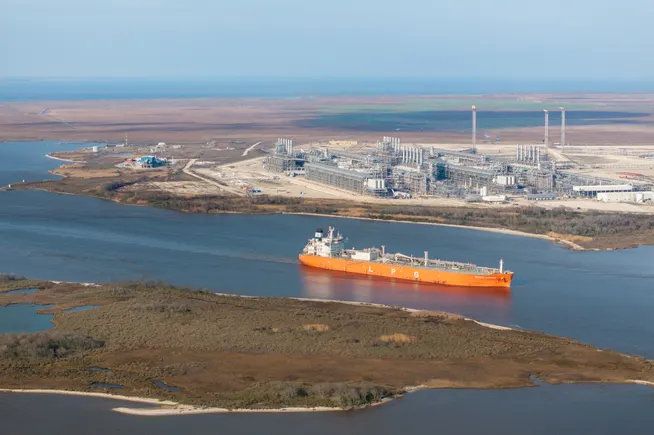
However, Paul Cicio, chair of the Electricity Transmission Competition Coalition and president of the Industrial Energy Consumers of America, argues the market is failing consumers. He contends that rising transmission and distribution costs, driven by utility spending aimed at increasing profits, are a primary factor. “They are monopolies,” Cicio said. “They have no reason to reduce costs so they are going to spend as much as they can, and they have.” He also pointed to increased Liquefied Natural Gas (LNG) exports as contributing to higher domestic natural gas costs.
Cicio expressed skepticism about the Trump administration’s plan to increase energy production to offset rising prices, predicting ”conflict” for the next two or three years.
Arvin Ganesan, CEO of energy storage company Fourth Power, highlighted the broader economic impact of rising costs. “Unaffordability is… a real problem that not only affects residential customers but also businesses’ ability to invest in manufacturing, industrialization and all that stuff,” he said. The EIA data represents a snapshot in time, and long-term trends in price, generation, and demand will continue to shape the energy landscape.
