
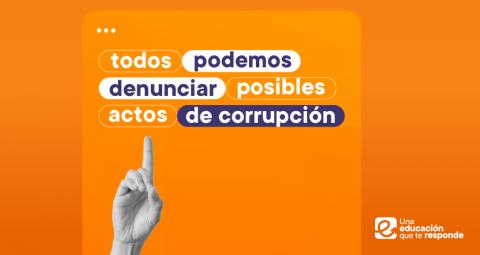
Report Corruption in Bogotá Education: Channels & How to Denounce
The Bogotá District Education Secretariat (SED) is actively soliciting public and educational community reports of potential corruption through multiple channels – in-person, virtual, and telephone – to safeguard public funds allocated to student welfare programs. This initiative, launched March 30th, 2026, aims to bolster transparency and accountability within the city’s educational system, directly impacting resource allocation and service delivery.
The SED’s move isn’t simply a matter of quality governance; it’s a direct response to escalating concerns about fiscal mismanagement within public sector projects. The potential for diverted funds represents a significant risk to Bogotá’s educational infrastructure, particularly as the city prepares for increased enrollment projections over the next three fiscal quarters. This situation demands heightened scrutiny, and, crucially, robust internal controls. Organizations specializing in compliance and risk management are seeing increased demand for their services as public entities globally face similar pressures.
The Erosion of Public Trust and the Cost of Inaction
Corruption in education isn’t a victimless crime. Every peso misallocated translates to fewer resources for classrooms, teacher training, and essential learning materials. The impact is disproportionately felt by students from disadvantaged backgrounds, exacerbating existing inequalities. Beyond the immediate financial loss, the erosion of public trust in the education system has long-term consequences, hindering investment and undermining the quality of education. The SED recognizes this, and their proactive stance is a critical step towards restoring confidence.
The scale of potential losses is substantial. Bogotá’s education budget for 2026 is projected at COP 12.7 trillion (approximately $3.1 billion USD), according to the city’s official financial reports. Even a modest percentage of funds diverted through corruption can have a devastating impact. A recent study by Transparency International estimates that global education losses due to corruption amount to $1.26 trillion annually. This isn’t merely a local issue; it’s a systemic problem requiring a multi-faceted approach.
Navigating the Reporting Channels: A Practical Guide
The SED has established a comprehensive network of reporting channels, designed to be accessible to all citizens. In-person reporting is available at the Citizen Service Office (Avenida El Dorado No. 66-63, first floor) and at local education directorates. Virtual reporting can be conducted through the SED’s online platform (http://fut.redp.edu.co/FUT-web/#/fut/999/Contactenos) or via the institutional chat on the SED website (www.educacionbogota.edu.co). A dedicated telephone line (601) 3241000 is also available. Bogotá Te Escucha (https://bogota.gov.co/servicios/bogota-te-escucha) provides another avenue for reporting concerns.
The SED assures confidentiality and respect for the rights of whistleblowers. However, the effectiveness of these channels hinges on robust investigation and prosecution of reported cases. This represents where independent oversight and forensic accounting become crucial. Companies specializing in forensic accounting are uniquely positioned to assist in uncovering and documenting fraudulent activities, providing the evidence needed for legal action.
The Ripple Effect: Supply Chain Vulnerabilities and Procurement Fraud
The SED’s initiative implicitly acknowledges vulnerabilities within its procurement processes. Corruption often manifests in inflated contracts, substandard goods and services, and the diversion of funds intended for legitimate suppliers. The current global supply chain disruptions, coupled with rising inflation, further exacerbate these risks. Companies are facing increased pressure to maintain cost controls, making them more susceptible to unethical practices.
“We’re seeing a significant uptick in requests for supply chain due diligence, particularly in emerging markets. Organizations are realizing that simply having a code of conduct isn’t enough; they need to actively monitor their suppliers and ensure compliance with ethical standards.”
The SED’s focus on transparency is a positive step, but it must be complemented by a comprehensive review of its procurement policies and procedures. This includes strengthening vendor vetting processes, implementing robust contract management systems, and establishing independent audit mechanisms. The implementation of blockchain technology for tracking procurement transactions is also gaining traction as a means of enhancing transparency and accountability.
The Financial Implications: Beyond Direct Losses
The financial consequences of corruption extend beyond the direct loss of funds. It also includes the cost of investigations, legal fees, and reputational damage. Corruption can deter foreign investment and hinder economic growth. A recent report by the World Bank estimates that corruption costs developing countries $2.6 trillion annually.
The SED’s efforts to combat corruption will likely require significant investment in internal controls and oversight mechanisms. This could include hiring additional staff, implementing new technology, and providing training to employees. However, these investments are justified by the long-term benefits of increased transparency and accountability.
The Role of Technology: Enhancing Transparency and Accountability
Technology can play a vital role in combating corruption. Data analytics can be used to identify suspicious transactions and patterns of behavior. Artificial intelligence (AI) can automate the process of monitoring procurement processes and flagging potential red flags. Blockchain technology can provide a secure and transparent record of all transactions.
The SED should explore the use of these technologies to enhance its anti-corruption efforts. This could involve partnering with technology companies specializing in data analytics, AI, and blockchain. The implementation of a centralized data platform, accessible to authorized personnel, would facilitate the monitoring of financial transactions and the identification of potential irregularities.
Looking Ahead: A Proactive Approach to Fiscal Integrity
The SED’s initiative is a welcome development, but it’s just the first step. Sustained efforts are needed to address the root causes of corruption and build a culture of integrity within the education system. This requires a commitment from all stakeholders – government officials, educators, parents, and students.
The upcoming fiscal quarters will be critical in assessing the effectiveness of the SED’s anti-corruption measures. Key metrics to watch include the number of reports received, the number of investigations launched, and the number of successful prosecutions. The SED should also regularly publish reports on its anti-corruption efforts, providing transparency and accountability to the public.
Navigating these complexities requires expert legal counsel. Firms specializing in corporate law, particularly those with experience in public sector compliance, are essential partners for organizations facing these challenges. The World Today News Directory provides a vetted list of legal professionals equipped to guide organizations through the intricacies of anti-corruption regulations and best practices. Don’t leave fiscal integrity to chance; connect with the right B2B partners today.