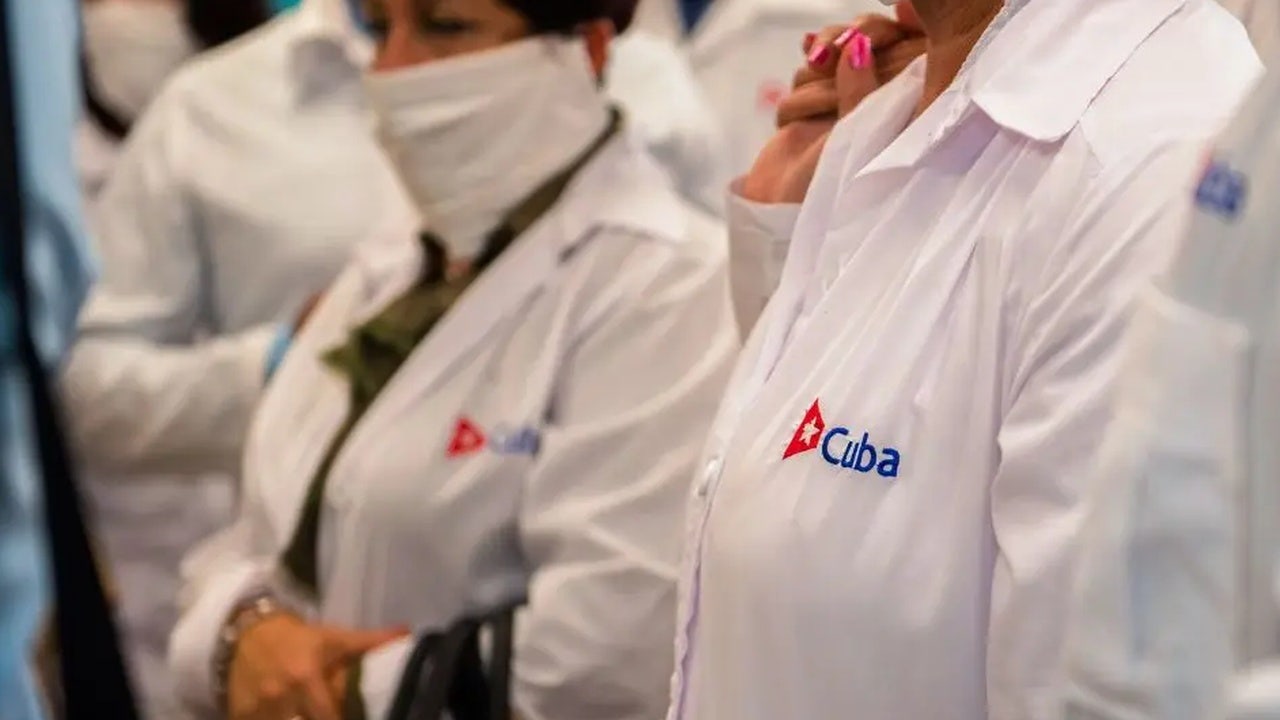
REP MARIO DIAZ-BALART: We are stopping Cuba from trafficking doctors for profit
Representative Mario Diaz-Balart (R-FL) has launched a legislative effort to combat the Cuban government’s practice of state-sponsored medical trafficking. By targeting the financial mechanisms that allow Havana to retain the majority of wages earned by doctors working abroad, U.S. lawmakers aim to classify these programs as human trafficking and impose targeted sanctions.
The Mechanics of State-Sponsored Medical Exploitation
For decades, the Cuban government has deployed thousands of medical professionals to foreign nations under bilateral agreements. While these missions are often framed as humanitarian aid, critics and human rights organizations, including the U.S. Department of State, describe the arrangements as a coercive labor system. According to the 2024 Trafficking in Persons Report, the Cuban government retains between 75% and 90% of the salaries paid by host countries for the services of these medical professionals.
Representative Diaz-Balart has argued that this revenue stream serves as a primary source of hard currency for the Cuban regime, effectively bankrolling internal security apparatuses. The legislative push seeks to pressure international partners to audit their contracts with Havana and ensure that wages are paid directly to the individuals performing the work, rather than through state-controlled intermediaries.
The complexity of these international labor contracts often leaves individual physicians with little legal recourse. For those navigating the fallout of these state contracts, accessing specialized legal counsel is often the only way to challenge the labor conditions or seek protection under international statutes.
Legislative Pressure and Regional Impact
The initiative led by Diaz-Balart is part of a broader shift in U.S. policy toward the Caribbean. By highlighting the coercive nature of these medical missions, the U.S. Congress is attempting to align international labor standards with the realities of Cuban state-run programs. This creates a significant compliance challenge for nations currently hosting Cuban medical brigades, as they may face secondary sanctions or loss of access to U.S.-backed development funds.

Local economies and municipal health infrastructures that have become dependent on these brigades are now facing a period of uncertainty. As host governments re-evaluate their bilateral agreements to avoid potential entanglement in U.S. sanctions, they are turning to public policy advisory firms to manage the transition and maintain continuity of care for their populations.
“The systematic extraction of labor from Cuban doctors is not an isolated policy failure; it is a fundamental business model for the regime. By labeling this as human trafficking, we are moving the conversation from a diplomatic disagreement to a matter of fundamental international law.”
Historical Precedent and Economic Consequences
The U.S. stance draws upon the precedent set by the Countering Cuban Regime Export of Medical Services Act, which seeks to discourage countries from participating in these programs. Critics of the current policy, however, point to the potential for a medical vacuum in underserved regions if these programs are abruptly terminated without a replacement strategy.
Data from the Government Accountability Office indicates that the economic reliance of the Cuban state on these medical exports has fluctuated significantly over the last decade, often spiking during regional health crises. The current legislative focus is designed to decouple the humanitarian necessity of medical care from the financial exploitation of the practitioners themselves.
For organizations operating in these regions, the shifting regulatory environment necessitates a high degree of transparency. Many NGOs and private healthcare entities are now engaging compliance and risk management consultants to ensure their operations remain insulated from the legal risks associated with state-run labor programs.
The Road Ahead: Accountability and Reform
The long-term impact of this initiative will likely depend on the willingness of international bodies to enforce strict labor standards. As the U.S. continues to lobby for the direct payment of wages to medical workers, the burden of proof will shift onto the host nations to demonstrate that their partnerships with Cuba do not violate international prohibitions against forced labor.
This is a slow-moving diplomatic and legal confrontation. While the headlines focus on the rhetoric, the reality for the doctors involved is a daily struggle for agency. The outcome of these legislative efforts will define the future of international medical cooperation in the region for years to come.
As the legal framework surrounding these international labor agreements becomes increasingly rigid, the need for clear, objective oversight remains paramount. Whether through the lens of human rights advocacy or international labor compliance, the situation demands a sophisticated understanding of both geopolitical currents and local regulatory requirements. Those tasked with managing these transitions must remain vigilant, ensuring that in the effort to end exploitation, the essential delivery of medical care remains protected by established, transparent, and ethical standards.