
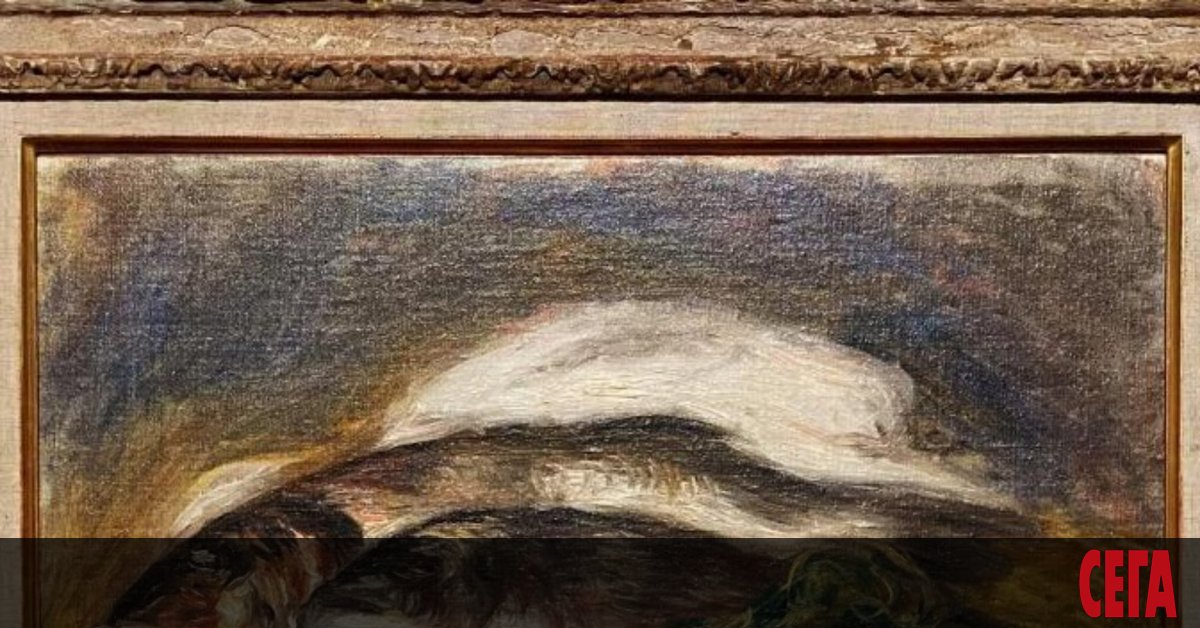
Renoir, Cézanne & Matisse Paintings Stolen from Italian Museum
The Breakdown: On March 29, 2026, a highly organized gang executed a three-minute heist at the Magnani Rocca Foundation in Parma, Italy, stealing masterpieces by Renoir, Cézanne, and Matisse valued at millions. The breach highlights a catastrophic failure in physical security protocols and insurance risk management, triggering an immediate need for elite crisis communication and asset recovery specialists.
In the high-stakes world of cultural heritage, three minutes is an eternity. It is enough time to dismantle a legacy, void an insurance policy, and turn a prestigious institution into a cautionary tale. That is precisely the window of opportunity exploited by a four-person team at the Magnani Rocca Foundation in Traversetolo. They didn’t just steal art; they exposed a glaring vulnerability in the global supply chain of high-value assets.
The targets were not random. The thieves bypassed the ground floor to hit the “Hall of the French” on the upper level, extracting Pierre-Auguste Renoir’s The Fish (1917), Paul Cézanne’s Still Life with Cherries (1890), and Henri Matisse’s Odalisque on the Terrace (1922). These aren’t just canvases; they are liquid assets with immense brand equity. The operation was described by local authorities as “structured and organized,” suggesting a functional division of labor that professional security firms should have anticipated. When a breach happens this fast, it signals that the threat model was outdated.
The Insurance and Liability Nightmare
For the Magnani Rocca Foundation, the immediate fallout isn’t just cultural loss; it is a financial hemorrhage. In the art world, the moment a piece is confirmed missing, the clock starts ticking on liability. Insurance underwriters for high-value collections operate on razor-thin margins of risk. A breach of this magnitude, occurring despite the presence of internal guards and Carabinieri, suggests a systemic failure in the security architecture.
According to data from the Art Loss Register, the recovery rate for stolen masterpieces drops precipitously after the first 48 hours. The “three-minute” efficiency of this heist implies the perpetrators had insider knowledge of camera blind spots and alarm response times. This moves the incident from a standard burglary into the realm of corporate espionage or organized syndicate activity.
When an institution faces this level of reputational damage, standard press releases are insufficient. The narrative must be controlled immediately to prevent donor panic and to maintain leverage with law enforcement. This is the exact moment a museum’s board should be activating elite crisis communication firms and reputation managers. The goal is to frame the institution as a victim of a sophisticated external attack rather than a negligent custodian of public trust.
“In 2026, physical security cannot rely on static barriers alone. The integration of AI-driven behavioral analytics is no longer optional for Tier-1 collections. If your system doesn’t predict the breach before it happens, you are already obsolete.”
— Elena Rossi, Senior Art Security Consultant
The Logistics of High-Value Recovery
The investigation is currently reviewing footage from surrounding residential and commercial cameras, a standard procedure that often yields little against professional crews who utilize counter-surveillance tactics. The real operate begins in the shadows of the black market and the private collections of the ultra-wealthy. Recovering these pieces requires a specific type of legal and logistical muscle.
This is where the industry’s intellectual property and asset recovery lawyers become critical. Unlike standard criminal defense, asset recovery in the art world involves navigating international treaties, private negotiations, and often, the murky waters of “no questions asked” returns. The legal framework for recovering IP and physical assets across borders is labyrinthine, requiring specialists who understand both the penal code and the private market dynamics.
the Magnani Rocca Foundation is currently hosting a major exhibition on Symbolism, featuring over 140 works. The theft casts a shadow over the entire event. Event organizers must now pivot to damage control, ensuring that the remaining exhibition proceeds without further incident. This requires an immediate audit of on-site protocols. Production teams for high-profile cultural events must source massive contracts with regional event security and A/V production vendors capable of upgrading threat levels in real-time.
Market Impact and The “Stolen Art” Economy
The theft of Impressionist and Post-Impressionist works sends a ripple through the market. Even as these specific pieces are too hot to sell on the open market, their disappearance affects the valuation of comparable works in private hands. It creates a “fear premium” in the art insurance sector.
Looking at the official TEFAF Art Market Report trends from the previous year, we see a correlation between high-profile thefts and a temporary tightening of credit for museum acquisitions. Lenders become risk-averse. The Magnani Rocca incident serves as a stark reminder that cultural capital is fragile. The foundation holds works by Titian, Dürer, and Rubens; the fact that the thieves targeted the French collection specifically suggests they were hunting for liquidity, not just prestige.
The “organized” nature of the crime points to a shift in criminal methodology. We are seeing a move away from smash-and-grab toward surgical extraction. This evolution demands a corresponding evolution in defense. Museums can no longer treat security as a line item to be minimized; it must be viewed as a core operational pillar, as vital as curation or fundraising.
The Path Forward: Securing the Legacy
As the Carabinieri and insurance adjusters descend on Parma, the focus will shift from “how did they acquire in” to “how do we get them back.” The next 72 hours are critical. The foundation needs to project strength and competence to the public while engaging in discreet, high-level negotiations behind the scenes.
For the broader industry, this heist is a wake-up call. It underscores the necessity of a holistic approach to asset protection—one that blends physical fortification with digital surveillance and rapid-response legal teams. Whether it is a museum in Italy or a private vault in New York, the principles remain the same: protect the brand, secure the asset, and manage the narrative.
The art world is watching. The recovery of Renoir, Cézanne, and Matisse will define the Magnani Rocca Foundation’s legacy for the next decade. But more importantly, it will test the efficacy of the global network of security professionals, legal experts, and crisis managers who stand ready to solve the impossible. In an era where value is increasingly digital, the physical protection of our cultural heritage remains the ultimate test of professional competence.