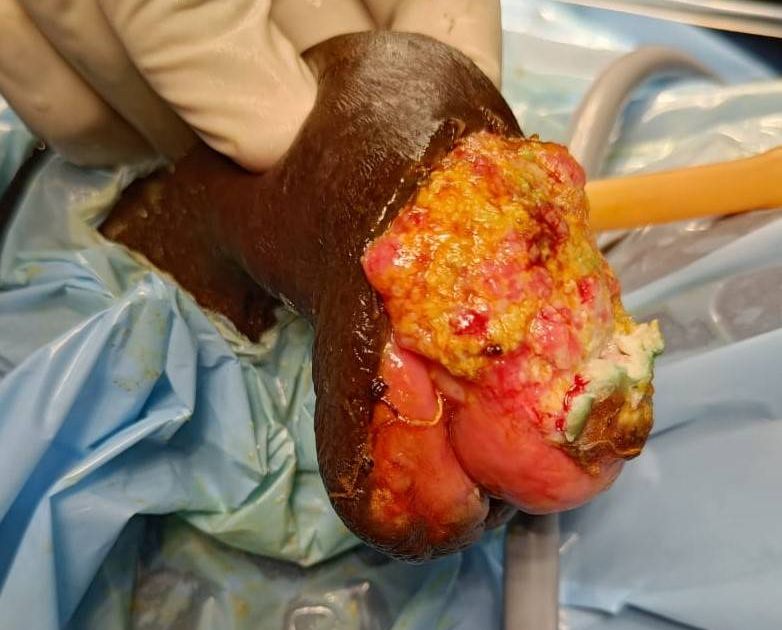
Removing 30% of My Penis Saved My Life, But the Images Were Gruesome
The diagnosis of penile cancer often arrives late, obscured by a combination of patient hesitation and a systemic lack of clinical awareness. For Alastair Munro, a 49-year-old construction engineer from Inverness, the path from noticing a small, growing lump to a life-saving seven-hour surgery illustrates the critical intersection of early detection and aggressive surgical intervention.
Key Clinical Takeaways:
- Early detection of penile malignancies is vital; delayed presentation can lead to lymph node metastasis, necessitating extensive inguinal dissection.
- Surgical management often requires a multidisciplinary approach, combining tumor excision with reconstructive skin grafting to preserve function and anatomy.
- Penile cancer remains a rare condition, affecting approximately 700 men annually across the UK, which contributes to a significant gap in public health awareness.
The clinical challenge presented by penile cancer lies not only in its biological aggressiveness but in the psychological barriers to diagnosis. In Munro’s case, a six-week delay in seeking medical attention preceded a rapid diagnostic trajectory. Once evaluated by a general practitioner and a urologist at Raigmore, the suspicion of malignancy was high, leading to a biopsy that confirmed the diagnosis. This timeline underscores a recurring theme in urological oncology: the window between the first appearance of a lesion and the point of systemic spread is often narrow.
The Pathogenesis and Progression of Penile Squamous Cell Carcinoma
Most penile cancers manifest as squamous cell carcinomas, originating in the epithelial cells of the skin. The pathogenesis is frequently associated with chronic inflammation or the presence of high-risk strains of the Human Papillomavirus (HPV). When these lesions are left untreated, the cancer typically spreads via the lymphatic system, primarily targeting the inguinal lymph nodes in the groin. This lymphatic progression is the primary determinant of patient morbidity and overall survival rates.
For Munro, a CT scan confirmed that the malignancy had already begun this migration. This necessitated a complex surgical strategy led by surgeon CJ Shukla, which involved the removal of the primary tumor and 30% of the penile shaft. To address the systemic risk, the surgical team performed an inguinal lymphadenectomy to remove the affected lymph nodes in the groin, a standard of care intended to prevent further metastasis to distant organs.
“The rarity of penile cancer means that many primary care providers may not encounter it frequently, making the patient’s intuition and the GP’s willingness to act on ‘bold’ suspicions the first line of defense against late-stage progression.”
The biological complexity of the procedure was further compounded by the need for reconstruction. To restore anatomical integrity after the excision of a significant portion of the organ, surgeons utilized a skin graft harvested from the patient’s thigh. This technique is a cornerstone of reconstructive urology, aiming to minimize the functional impact of the surgery although ensuring the complete eradication of the malignant tissue.
Addressing the Public Health Gap in Urological Oncology
The epidemiological data provided in this case—80 to 90 cases per year in Scotland and 700 across the UK—highlights the “orphan” nature of this disease. Due to the fact that it is rare, it rarely receives the same public health visibility as prostate or bladder cancers. This lack of visibility creates a dangerous feedback loop: patients are less likely to recognize symptoms, and the stigma associated with genital health leads to delayed reporting.
From a clinical standpoint, the management of such cases is governed by established guidelines from bodies such as the World Health Organization (WHO) and peer-reviewed protocols indexed in PubMed. These protocols emphasize that the gold standard for treatment remains surgical excision combined with lymph node management. For those navigating a recent diagnosis, the complexity of the surgery and the subsequent recovery period make it essential to access specialized care.
Patients presenting with atypical lesions or those who have received a preliminary diagnosis of urological malignancy should not delay their triage. It is highly recommended to consult with board-certified urologists who specialize in oncological surgery to ensure the most precise margins of excision and the best possible reconstructive outcomes.
Clinical Implications of Lymphatic Spread and Recovery
The removal of groin lymph nodes, while life-saving, introduces its own set of clinical challenges, including lymphedema—a chronic swelling caused by the disruption of lymphatic drainage. The recovery process for a patient like Munro involves not only the healing of the primary surgical site and the skin graft but as well the management of the groin area to prevent long-term morbidity. This underscores the necessity of a comprehensive post-operative care plan involving physiotherapy and oncology monitoring.

Because the diagnostic process for these rare cancers requires high-precision imaging to map the extent of the spread, the role of advanced diagnostics cannot be overstated. Patients are encouraged to utilize advanced diagnostic imaging centers to obtain the high-resolution CT and MRI scans necessary for surgical planning.
“Successful outcomes in rare urological cancers are rarely the result of a single intervention; they are the product of a seamless transition from primary care suspicion to specialized surgical execution and long-term rehabilitative support.”
The funding and delivery of this care in the UK are managed through the National Health Service (NHS), ensuring that complex procedures—such as the seven-hour operation performed at Raigmore—are accessible regardless of the patient’s socioeconomic status. This systemic support is vital for managing conditions where the treatment is highly invasive and requires multidisciplinary teams.
Future Trajectories in Penile Cancer Treatment
As we move toward more personalized medicine, the focus is shifting toward the integration of immunotherapy and more targeted radiation therapies to reduce the need for aggressive surgical removals. Though, for the majority of patients, surgical intervention remains the only curative path. The goal for the medical community is to shift the diagnostic curve earlier, utilizing HPV screening and public awareness campaigns to identify lesions before they require the removal of significant tissue.
For individuals seeking a second opinion or specialized surgical intervention for rare malignancies, coordinating with specialized oncology centers is the most effective way to ensure access to the latest clinical trials and reconstructive techniques. The story of Alastair Munro serves as a stark reminder that in the face of rare cancers, urgency is the most effective tool for survival.
Disclaimer: The information provided in this article is for educational and scientific communication purposes only and does not constitute medical advice. Always consult with a qualified healthcare provider regarding any medical condition, diagnosis, or treatment plan.