Regional Governors Slam Proposed 2027 Budget Cuts and Warn of Employment Impact
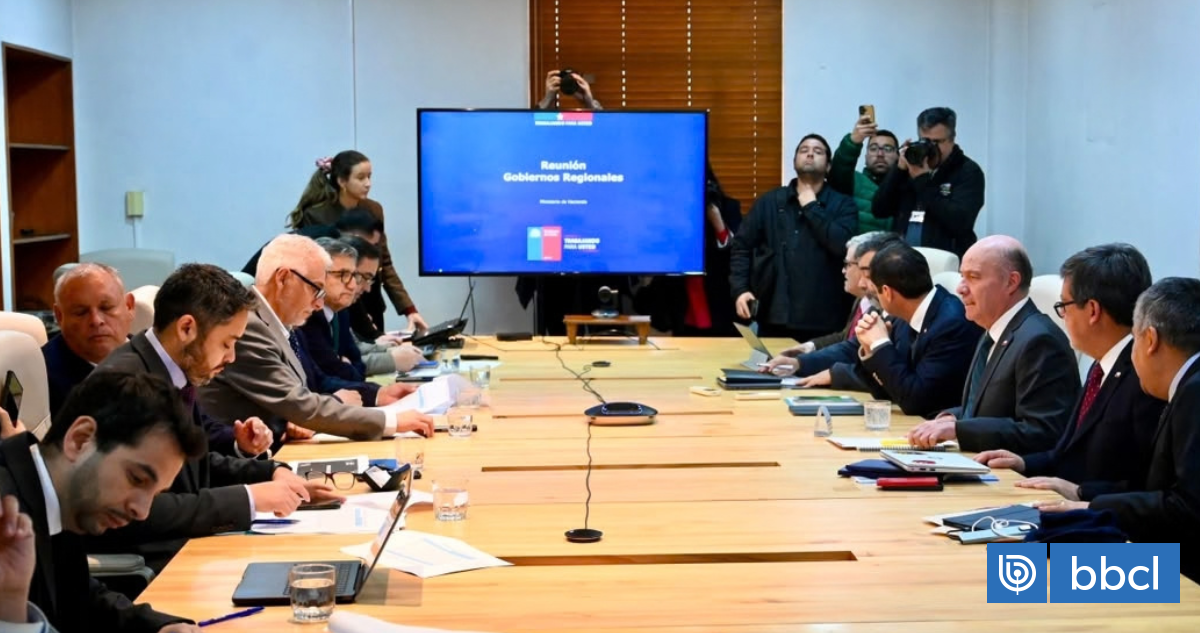
Regional governors across Chile have accused the central government of imposing arbitrary budget cuts of up to 20% and forcing administrative tutelage, following a tense meeting at Teatinos 120 with Finance Minister Jorge Quiroz.
Budget Cuts Threatening Regional Investments
The 2027 Budget draft proposes reductions ranging from 10% to 20% across the country’s 16 regional administrations, stripping up to 270 billion pesos from regional coffers, according to the Asociación de Gobernadores Regionales de Chile (Agorechi). Other estimates place the reduction in investment resources at nearly 250 billion pesos. Prior to the formal presentation, Agorechi president and Los Lagos governor Alejandro Santana indicated to La Tercera that the executive’s reduction proposal hovered around 6%, coupled with mechanisms tied to budget execution rates for additional funds. However, regional leaders quickly realized the actual impact far exceeded those initial projections once the documents reached congress.
In Valparaíso, the proposed adjustment represents a reduction of more than 15% for the regional government, translating to a loss of more than 15,000 million pesos that would otherwise fund local infrastructure, housing, and healthcare clinics. El Mostrador noted that Valparaíso governor Rodrigo Mundaca called on parliamentarians to defend regional allocations during the legislative debate. Similar contractions hit Biobío and Ñuble. Biobío faces a reduction in investment resources near 10% when compared against the 2026 baseline, as reported by Biobío governor Sergio Giacaman to Diario El Sur. In Ñuble, governor Óscar Crisóstomo warned that an approximate 12% drop—representing 11 billion pesos—risks triggering payment halts for companies currently executing public works.
Tensions at Teatinos 120 and Accusations of Central Tutelage
The confrontation in Santiago began under immediate strain due to Finance Minister Jorge Quiroz’s annoyance over the prior leak of budget line item 31, which details the regional reductions. Tarapacá governor José Miguel Carvajal acknowledged that the leak soured the opening moments of the encounter. Once inside, regional leaders directed sharp criticism at the executive branch regarding administrative autonomy.
Rodrigo Mundaca asserted that the administration failed to honor President Boric’s prior commitment to establish a new relationship with regional governments. Mundaca stated that regional authorities are democratically elected and have been treated arbitrarily. Santiago governor Claudio Orrego echoed those complaints, demanding an end to central government tutelage and insisting that regional entities deserve the same institutional respect as the rest of the state apparatus. Orrego warned that cutting budgets during a fragile employment period forces regions into the role of unemployment drivers while bureaucratic roadblocks remain firmly in place.

O’Higgins governor Pablo Silva criticized the central government for sidelining regions, noting to La Tercera that central authorities struggle to understand specific municipal needs on the ground. Meanwhile, José Miguel Carvajal cautioned that the cuts jeopardize critical operations against organized crime in northern Chile, warning La Tercera that diminished resources could weaken the Public Ministry’s ongoing security work.
Regional Authorities Lobby Lawmakers to Restore Investment Capital
With the initial face-to-face encounter concluded, the dispute over the financial framework moves entirely to the legislative arena. Regional authorities intend to lobby lawmakers during the ongoing tramitation of the 2027 Budget to reverse the proposed adjustments, recover lost funds, and safeguard regional employment and public works. The debate centers on whether parliament can restore the slashed investment capital before final approval locks in the funding reductions for the upcoming fiscal year.