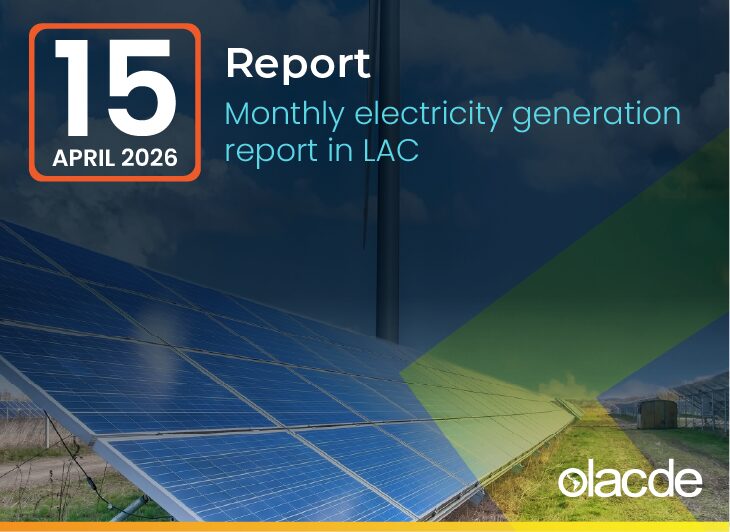
Regional Electricity Generation Mix Dominated by Hydropower
The Latin American and Caribbean energy sector remains heavily anchored by hydropower, which contributed 44.6% of total electricity generation according to the July 26 report from the Latin American Energy Organization (OLADE). While natural gas follows as a primary baseload source, the region’s reliance on climate-sensitive generation creates significant liquidity and operational risks for utilities facing volatile hydrological cycles and shifting regulatory frameworks.
Hydrological Dependency and the Risk of Portfolio Volatility
The reliance on hydropower, while providing a low-marginal-cost generation profile, exposes regional power producers to systemic climate risk. As highlighted by the International Energy Agency (IEA), prolonged droughts directly correlate with increased spot market prices and a forced pivot to thermal generation. For institutional investors, this transition necessitates a shift in risk assessment models. When water levels drop, the sudden surge in natural gas demand forces utilities to hedge against commodity price spikes, often eroding EBITDA margins if long-term power purchase agreements (PPAs) lack adequate inflation or fuel-pass-through clauses.
Management teams are increasingly turning to specialized energy risk management consultancies to stress-test their portfolios against multi-year drought scenarios. These firms assist in optimizing dispatch strategies and securing financial derivatives that can mitigate the volatility inherent in a hydro-heavy grid.
Natural Gas as the Strategic Bridge
Natural gas continues to serve as the critical “peaking” and firming resource in the regional mix. Per the U.S. Energy Information Administration (EIA), the integration of liquefied natural gas (LNG) infrastructure has allowed countries like Brazil and Chile to stabilize their grids during periods of low reservoir inflow. However, the capital intensity of LNG regasification facilities and pipelines requires robust project financing structures.
The complexity of these cross-border energy projects often creates bottlenecks in project delivery and regulatory compliance. Corporations are engaging international project finance law firms to navigate the intricate legal landscape of multi-jurisdictional energy concessions. These legal partners provide the necessary due diligence to satisfy debt covenants and ensure that infrastructure development aligns with evolving regional environmental, social, and governance (ESG) mandates.
Data-Driven Operational Efficiency
The OLADE data reflects a broader trend toward the digitization of energy assets. As grid operators attempt to balance intermittent renewable inputs with traditional generation, the need for real-time telemetry and predictive maintenance has never been higher. Efficient capital allocation now depends on the ability to extract actionable insights from vast datasets.
According to the World Bank’s energy sector analysis, the transition to a more resilient, diversified grid requires substantial investment in transmission infrastructure. Yet, the primary hurdle remains the “last mile” of operational integration. Firms struggling with legacy infrastructure are increasingly seeking out industrial IoT and grid-optimization software providers to maximize the throughput of existing assets. These services help operators reduce system losses and improve the reliability of the energy supply, which is a key metric for maintaining credit ratings in the utility sector.
Future-Proofing Capital Expenditure
The market trajectory for the remainder of 2026 suggests a continued emphasis on diversification. As hydro output faces seasonal uncertainty, the push for solar and wind integration will likely accelerate, creating a secondary market for battery energy storage systems (BESS). Investors are shifting their focus toward firms that can demonstrate a multi-modal generation strategy.
The financial health of the sector will be dictated by how effectively utilities manage the transition costs. Those relying solely on legacy hydro-gas models risk significant stranded asset exposure. The most resilient firms are those currently auditing their capital expenditure to prioritize grid flexibility and storage. For leadership teams looking to optimize their corporate structure or secure bridge financing for these energy transitions, connecting with corporate restructuring and capital advisory services is no longer an optional step—it is a prerequisite for maintaining a competitive cost of capital in a shifting global market.