Refractory Atrial Fibrillation and Hypoxic Respiratory Failure in Small Cell Lung Carcinoma: A Case Report
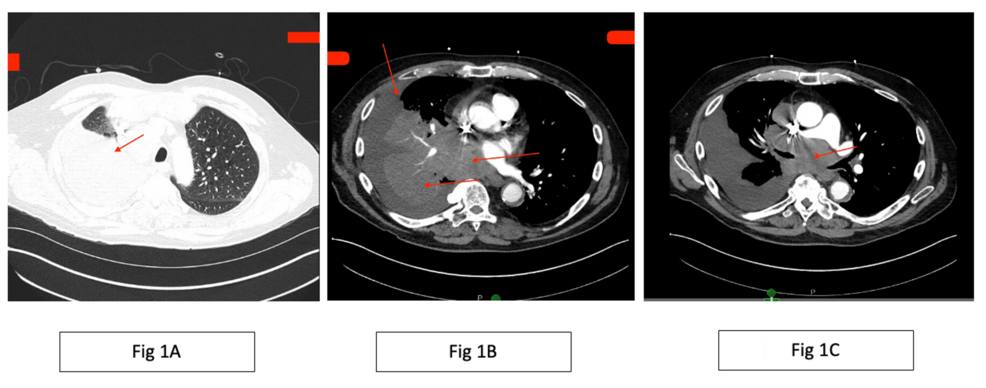
A case report published in Cureus details a patient with extensive-stage small cell lung carcinoma (ES-SCLC) who developed refractory atrial fibrillation (AF) characterized by dangerous conversion pauses, contributing to hypoxic respiratory failure. The clinical team managed the complex interaction between advanced malignancy and cardiac instability through a combination of hemodynamic support and specialized arrhythmia management.
- Clinical Conflict: The patient suffered from “conversion pauses,” where the heart fails to resume a normal rhythm immediately after AF terminates, leading to severe bradycardia.
- Disease Synergy: Advanced small cell lung carcinoma complicates cardiac stability, often exacerbating hypoxic respiratory failure and limiting traditional treatment options.
- Management Strategy: The case highlights the necessity of balancing aggressive oncology care with precise cardiac pacing and rhythm control.
The intersection of advanced oncology and cardiac dysrhythmia presents a significant clinical gap in palliative and acute care. In this specific case, the patient’s ES-SCLC created a systemic environment of instability, where the heart’s inability to maintain a steady rate—compounded by the lungs’ inability to oxygenate blood—created a feedback loop of hypoxic respiratory failure. This phenomenon, described in the Cureus report, underscores the risk of “conversion pauses,” a state where the sinus node fails to take over after a period of atrial fibrillation, potentially leading to asystole or profound hypotension.
Managing such patients requires an integrated approach. For those experiencing multi-system failure in advanced cancer stages, immediate coordination with [Board-Certified Electrophysiologists] is critical to determine if permanent pacing is viable or if palliative rhythm control is the primary goal.
How Does Small Cell Lung Carcinoma Trigger Cardiac Instability?
The pathogenesis of cardiac complications in ES-SCLC often involves a combination of systemic inflammation, chemotherapy-induced toxicity, and direct pulmonary compromise. According to the Cureus case report, the patient’s refractory AF was not a standalone event but occurred within the context of advanced malignancy, which often alters the autonomic nervous system and myocardial electrical stability.

The morbidity associated with hypoxic respiratory failure in these patients is frequently elevated. When the heart enters a conversion pause, the cardiac output drops precipitously. In a healthy patient, this might cause brief syncope; however, in a patient with ES-SCLC, where oxygen reserves are already depleted by tumor burden and pleural effusions, this leads to rapid decompensation. This clinical trajectory aligns with broader data on cancer-associated arrhythmias, where the standard of care must shift from curative to stability-focused management.
Medical professionals managing these cases often rely on guidelines from the PubMed indexed literature regarding the use of antiarrhythmics in oncology. Because many rhythm-control drugs have significant contraindications or drug-drug interactions with chemotherapy, clinicians must exercise extreme caution to avoid prolonging the QT interval or inducing further bradycardia.
What Are the Risks of Conversion Pauses in Refractory AF?
Conversion pauses occur during the transition from atrial fibrillation back to sinus rhythm. In this specific patient, the pause was prolonged enough to trigger hypoxic respiratory failure, necessitating urgent intervention. The Cureus report emphasizes that while AF itself is common, the transition out of AF can be the most lethal moment for a patient with compromised pulmonary function.

The risk is quantified by the duration of the pause and the patient’s underlying hemodynamic reserve. In cases of refractory AF, where the heart has become accustomed to a rapid, irregular rate, the sudden drop to a slow sinus rate (or a complete pause) can cause a catastrophic fall in blood pressure. This creates an immediate need for diagnostic precision. Facilities utilizing [Advanced Cardiac Diagnostic Centers] can provide the continuous telemetry and echocardiographic monitoring required to catch these pauses in real-time.
The study was conducted as a case report, a format typically used to highlight rare clinical presentations or unique management challenges. While not a large-scale trial with a high N-value, the report provides a blueprint for treating the “triad” of malignancy, arrhythmia, and respiratory failure. The funding for such case reports is typically provided by the participating clinical institution or the treating physicians, ensuring a focus on clinical observation rather than pharmaceutical outcomes.
Comparing Standard AF Treatment to Palliative Oncology Care
Traditional AF management focuses on long-term rate or rhythm control to prevent stroke and heart failure. However, the Cureus report illustrates that in the context of ES-SCLC, the priorities shift toward immediate stability and quality of life. The following table outlines the divergence in clinical approach:
| Clinical Metric | Standard AF Protocol | ES-SCLC Palliative Protocol |
|---|---|---|
| Primary Goal | Long-term rhythm stability | Hemodynamic stabilization |
| Intervention | Ablation or long-term Beta-blockers | Temporary pacing / Acute support |
| Risk Focus | Thromboembolism (Stroke) | Hypoxic Respiratory Failure |
| Monitoring | Periodic ECG/Holter | Continuous telemetry/ICU monitoring |
This contrast highlights the necessity for a multidisciplinary team. Because the regulatory hurdles for administering high-risk cardiac interventions in terminal cancer patients are complex, many healthcare systems are now retaining [Healthcare Compliance Attorneys] to ensure that palliative interventions align with both medical ethics and current legal frameworks for end-of-life care.
What is the Future of Managing Cancer-Related Arrhythmias?
The clinical trajectory for patients with ES-SCLC and refractory AF is moving toward more personalized, “precision” palliative care. According to the World Health Organization (WHO) guidelines on palliative care, the integration of specialist cardiac support into oncology wards can reduce the incidence of avoidable cardiac arrest during cancer treatment.
The Cureus case demonstrates that the “conversion pause” is a critical window of vulnerability. Future research may focus on the use of temporary transvenous pacing as a bridge during the conversion phase to prevent hypoxic crashes. As we move toward 2026 and beyond, the focus remains on mitigating the morbidity of these episodes through earlier detection and the use of targeted antiarrhythmics that do not interfere with chemotherapy regimens.
For clinicians and families dealing with the complexities of advanced lung cancer and cardiac failure, the priority is finding a care team that can bridge the gap between cardiology and oncology. It is recommended to seek out [Integrated Oncology-Cardiology Clinics] to ensure that the heart is supported while the lungs are treated.
Disclaimer: The information provided in this article is for educational and scientific communication purposes only and does not constitute medical advice. Always consult with a qualified healthcare provider regarding any medical condition, diagnosis, or treatment plan.