Reducing Blood Sampling in Preterm Babies: Effectiveness of Blood-Saving Strategies
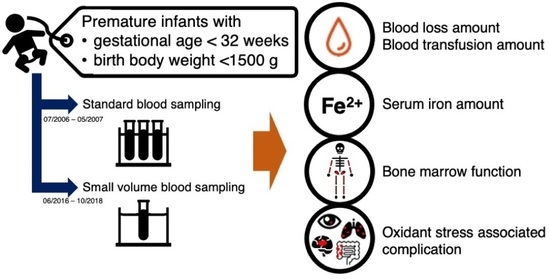
For preterm infants, the standard of care in neonatal intensive care units (NICUs) often requires frequent blood sampling, which can lead to significant blood loss and an increased reliance on transfusions. Recent clinical assessments, including evidence updated through September 2025, indicate that prioritizing blood collection from the umbilical cord or placenta at the time of birth may mitigate the risk of severe neonatal complications, such as retinopathy of prematurity (ROP) and intraventricular hemorrhage.
Key Clinical Takeaways:
- Utilizing umbilical cord or placental blood for initial testing probably reduces the incidence of treatment-requiring retinopathy of prematurity in very preterm infants.
- Current evidence remains insufficient to confirm if returning blood to the infant after testing or implementing strict sampling protocols improves survival or developmental outcomes.
- Neonatal care teams are encouraged to prioritize blood-sparing techniques, as the cumulative impact of frequent phlebotomy can remove a large amount of their total blood volume.
Clinical Efficacy of Umbilical Cord and Placental Blood Sampling
The pathogenesis of morbidities in very preterm infants—those born more than three months before their due date—is often exacerbated by the necessity for diagnostic monitoring. According to recent systematic reviews, shifting the source of initial blood samples from the neonate to the umbilical cord or placenta offers a measurable protective effect. Data suggests that approximately 19 fewer infants per 100 avoid the development of retinopathy of prematurity requiring intervention when this strategy is employed. Furthermore, the incidence of bronchopulmonary dysplasia and severe brain bleeding may also be reduced, with clinical estimates showing 13 fewer cases of lung disease and 12 fewer cases of severe intraventricular hemorrhage per 100 infants.
These findings, derived from studies conducted in the United States, India, and Israel, underscore the importance of minimizing the total volume of blood removed during the first week of life. While the evidence supporting cord blood utilization is considered moderate, the relatively small sample sizes—totaling 365 infants across five studies—necessitate a cautious interpretation.
Limitations in Current Blood-Saving Protocols
Despite the promise of cord blood sampling, other proposed methods for reducing blood loss lack robust clinical validation. Techniques such as using devices to return blood to the neonate’s circulation after testing or enforcing strict limits on the frequency of blood draws have not demonstrated a clear impact on survival or serious complications. Limitations in these studies, including small cohort sizes and variability in methodology, mean that clinicians currently lack high-certainty evidence to standardize these practices globally.
Furthermore, there is a notable absence of longitudinal data regarding physical and mental developmental milestones at 18 months and beyond. Understanding the long-term implications of these interventions requires high-quality studies that follow babies until they are at least three years old.
Future Directions and Diagnostic Optimization
The medical community is increasingly focused on the development of testing that utilizes tiny amounts of blood or non-blood body fluids, such as saliva and urine.
By reducing the reliance on repeated blood sampling, the NICU environment can potentially lower the morbidity burden for the most vulnerable patients, though the pursuit of definitive, evidence-based protocols remains an active area of investigation.
Disclaimer: The information provided in this article is for educational and scientific communication purposes only and does not constitute medical advice. Always consult with a qualified healthcare provider regarding any medical condition, diagnosis, or treatment plan.