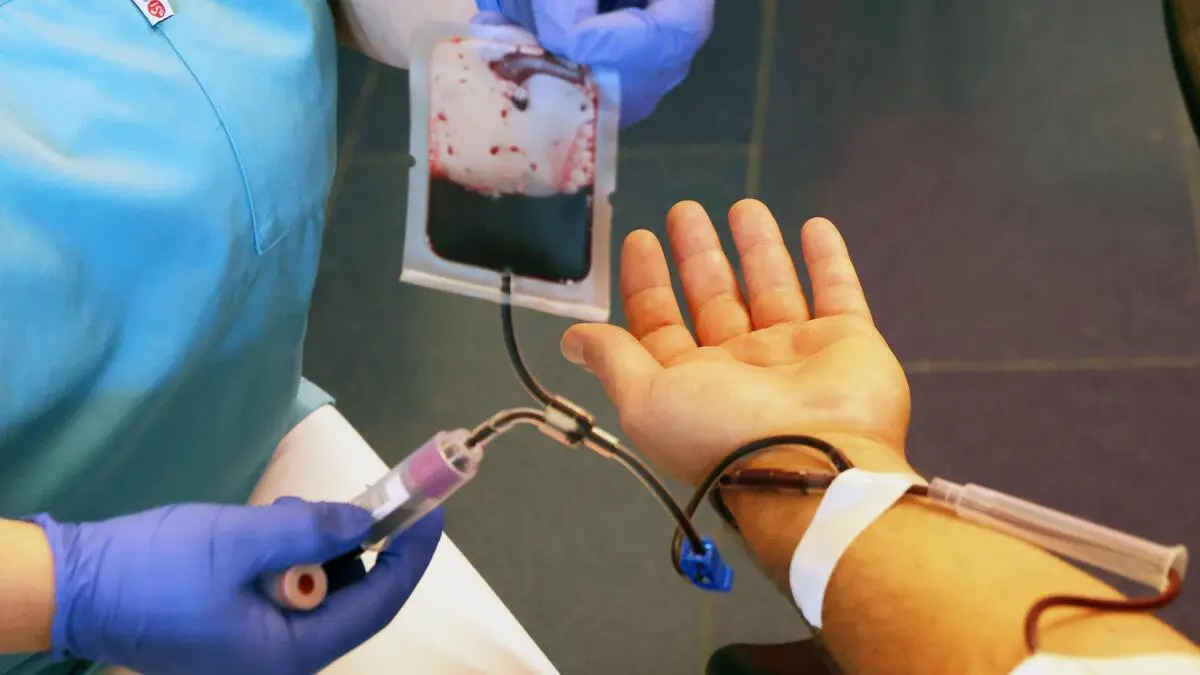
Red Cross Urges Blood Donations During Heatwave Amid Urgent Need
The Austrian Red Cross issued an urgent appeal for blood donations on June 23, 2026, citing a critical supply deficit exacerbated by seasonal heat waves. Despite elevated temperatures, health officials confirm that blood donation remains a safe, low-risk procedure for healthy individuals, provided that adequate hydration and post-donation rest protocols are observed. This call to action addresses a persistent clinical gap in regional inventory levels, which are currently failing to meet the demands of elective surgeries and emergency trauma care.
Key Clinical Takeaways:
- Blood donation is physiologically safe during heat waves, provided donors maintain hydration levels before and after the procedure.
- The current supply-demand imbalance is a systemic issue, with the Red Cross reporting critical shortages that threaten the standard of care for trauma and surgical patients.
- Prospective donors should schedule appointments through verified health portals to ensure efficient processing and minimize wait times during peak heat hours.
Physiological Impact of Heat on Donation Safety
Thermal stress can induce peripheral vasodilation, which may influence hemodynamic stability during and after blood collection. According to clinical guidelines from the World Health Organization (WHO), maintaining plasma volume through pre-donation fluid intake is the primary defense against syncopal episodes or lightheadedness in high-ambient-temperature environments. Medical literature published in the Journal of Blood Medicine emphasizes that the pathogenesis of post-donation fatigue is largely preventable through standardized cooling and rehydration protocols. Donors are advised to avoid strenuous physical activity for at least 24 hours post-extraction to prevent cardiovascular strain.
For individuals with underlying health concerns or those who have recently adjusted their medication regimens, it is imperative to consult with primary care physicians before attempting to donate. A professional assessment ensures that the donor meets the established hematocrit and hemoglobin thresholds, mitigating the risk of adverse reactions.
Epidemiology of Supply Deficits
The current shortage reflects a broader trend in public health infrastructure where donor participation rates often fail to track with the increasing morbidity associated with an aging population. Data provided by the National Center for Biotechnology Information (NCBI) suggests that blood inventory management is a complex logistical challenge requiring constant, non-linear recruitment. Unlike pharmaceutical manufacturing, which can be scaled via supply chain optimization, blood supply is strictly dependent on voluntary human participation.
“The stability of our surgical and emergency systems relies on a consistent, voluntary donor base. When environmental factors like extreme heat discourage participation, we see an immediate, measurable impact on the availability of blood components for critical care,” notes Dr. Elena Vance, a lead researcher in hematological logistics.
This reliance on voluntary donors necessitates robust communication between public health agencies and the community. For organizations struggling with operational throughput, engaging healthcare compliance attorneys is often necessary to navigate the regulatory frameworks governing blood donation centers and ensure that donor safety remains the priority during record-breaking heat events.
Clinical Triage and Donor Readiness
When donation centers experience surges in volume, maintaining the integrity of the screening process is paramount. Prospective donors must undergo a thorough history intake to screen for contraindications, including recent travel to malaria-endemic regions, current infections, or medications that could affect the quality of the donated plasma or red blood cells. The standard of care dictates that every unit of blood must undergo stringent serological testing for transfusion-transmissible infections, a process that is non-negotiable regardless of the urgency of the supply shortage.
If you are considering regular blood donation as part of your personal health regimen, ensure your medical history is fully documented with your internist or primary care provider. Keeping an up-to-date health record not only facilitates a smoother donation experience but also allows for the early detection of underlying conditions that could preclude eligibility.
Future Trajectories in Hematology
The reliance on human donors remains the clinical gold standard, as artificial blood substitutes have yet to reach the efficacy and safety profile required for widespread clinical application in trauma settings. Research into synthetic oxygen carriers—often funded by grants from the National Institutes of Health (NIH)—continues to progress, but these solutions remain in developmental stages or are restricted to niche indications. Until such technologies achieve regulatory approval for general use, the medical community must rely on the altruism of the public to maintain the life-saving inventory required for daily medical practice.

The trajectory of this research suggests that future advancements will focus on improving the shelf-life and storage conditions of donated blood, potentially reducing the impact of supply fluctuations. In the interim, maintaining a steady donor pipeline is the only viable strategy to ensure that emergency rooms and surgical suites remain operational. For those interested in long-term health management or specialized blood-related treatments, consulting with board-certified hematologists can provide further insight into the vital role of blood products in modern medicine.
Disclaimer: The information provided in this article is for educational and scientific communication purposes only and does not constitute medical advice. Always consult with a qualified healthcare provider regarding any medical condition, diagnosis, or treatment plan.