
Kingston, Jamaica - In the wake of Hurricane Melissa‘s devastating impact on Jamaica, the Pan American Health Association (PAHO) swiftly moved to bolster the nation’s capacity to detect and respond to a surge in leptospirosis cases, a bacterial infection commonly spread through floodwaters and poor sanitation. the proactive intervention, initiated just three days after the storm made landfall on October 31, is aimed at mitigating a potential public health crisis exacerbated by the hurricane’s aftermath.
Hurricane Melissa left jamaica grappling with widespread flooding, compromised infrastructure, and displacement, creating conditions ripe for the spread of waterborne diseases. Standing water near homes and limited access to safe drinking water substantially increased the risk of infection, particularly leptospirosis.
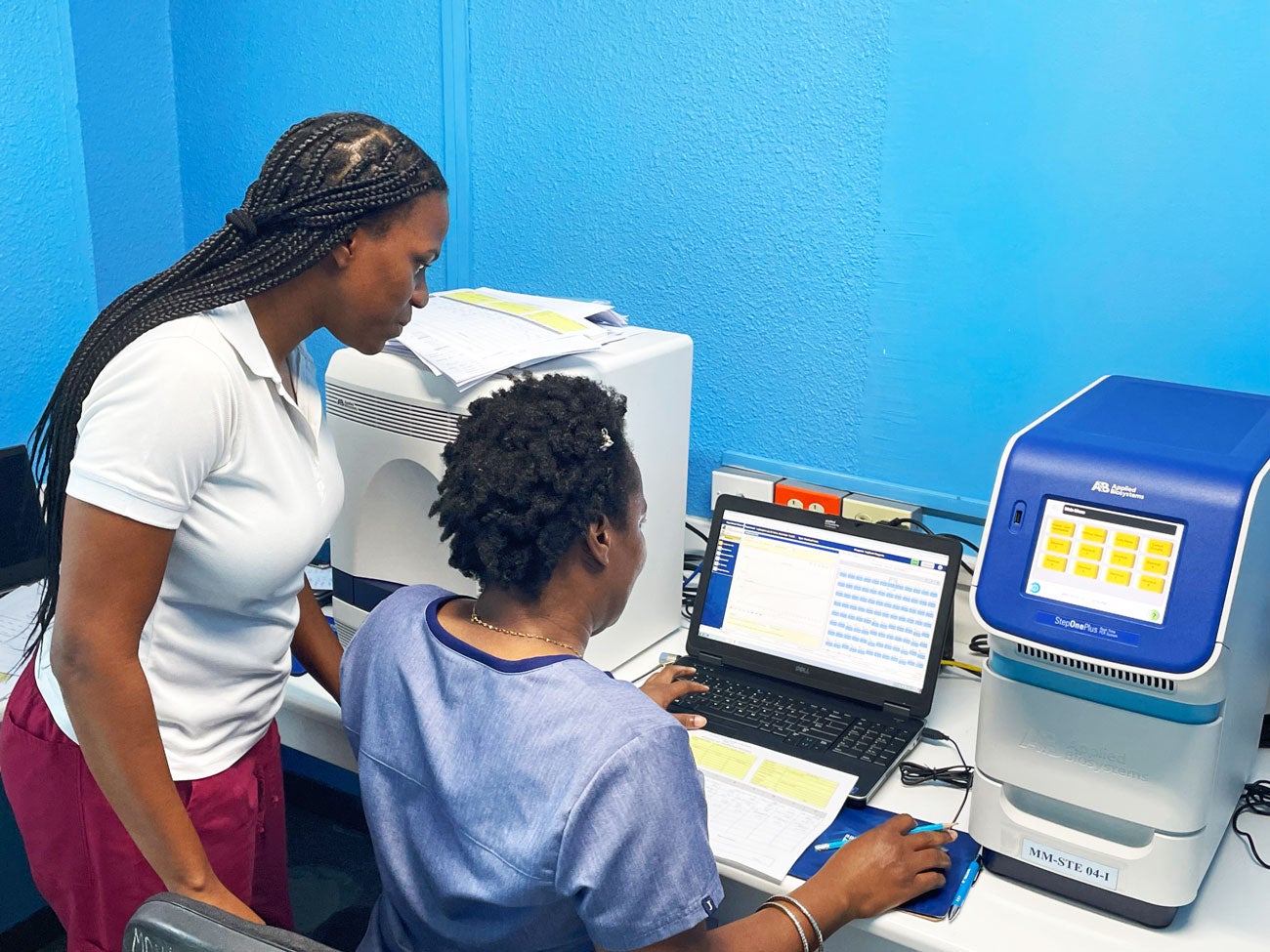
Recognizing the looming threat, PAHO facilitated intensive virtual training for Jamaica’s National Public Health Lab (NPHL) team focused on leptospirosis detection and response. This preemptive measure ensured the lab was equipped to rapidly analyze samples and implement control measures.
Following the training, the NPHL received diagnostic kits and reagents capable of processing up to 4,000 samples. These kits, described as safe and efficient for laboratory personnel, are crucial for early disease detection, enabling timely intervention to protect lives and prevent a widespread outbreak.
As suspected cases of leptospirosis begin to emerge, the NPHL staff are utilizing the PAHO-provided resources to quickly identify infections, allowing health authorities to respond effectively and safeguard communities. PAHO’s intervention underscores the critical importance of preparedness in disaster response,demonstrating how proactive planning,targeted training,and essential tools can strengthen a nation’s ability to confront the hidden health dangers following a natural disaster. This approach aims to protect the wellbeing of Jamaicans and mitigate a potential public health crisis.
