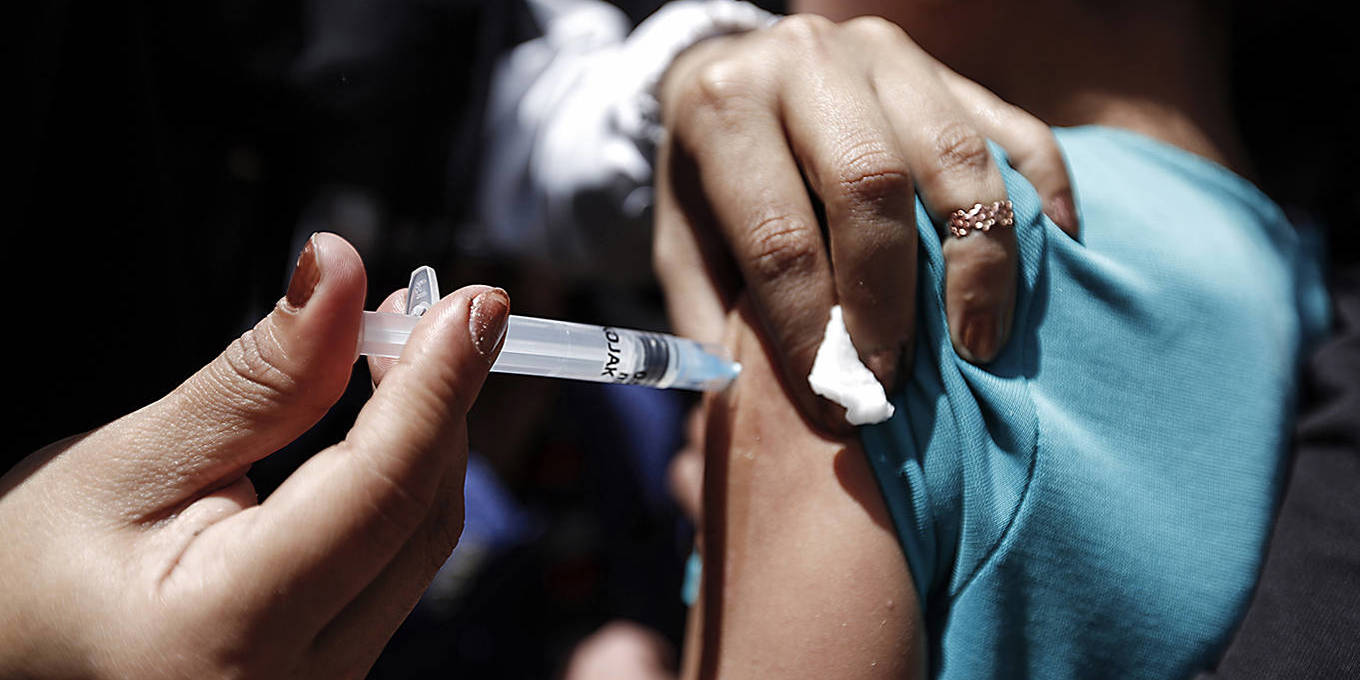
Reaching Zero-Dose Children: The Power of Local Partnerships
Gavi, the Vaccine Alliance, and the International Rescue Committee (IRC) have achieved a major milestone by delivering over 30 million vaccine doses and reaching more than 1 million zero-dose children in conflict-affected regions. However, shifting U.S. Political priorities and a significant funding gap threaten the stability of these critical global health interventions.
The High-Stakes Calculus of Last-Mile Immunization
In the world of global health economics, efficiency is the ultimate metric. Childhood immunization represents one of the most cost-effective public-health interventions available, with a single vaccine dose costing less than $2 to administer, even within active conflict zones. Yet, the fiscal reality of “last-mile” delivery—reaching the most isolated, zero-dose children—requires more than just low unit costs; it requires sophisticated, localized operational models.
The International Rescue Committee (IRC), operating through the Gavi-funded REACH (Reaching Every Child in Humanitarian Settings) consortium, has demonstrated the viability of these models. Since 2022, the program has successfully navigated the logistical nightmares of six specific countries: Chad, Nigeria, Ethiopia, Sudan, South Sudan, and Somalia. By delivering both routine and catch-up vaccinations in areas rendered inaccessible by disaster or conflict, the consortium has surpassed the 30-million-dose mark, reaching over 1 million children who had previously never received a single vaccine.

“Immunisation has expanded dramatically worldwide, yet in fragile and conflict‑affected settings, where a child lives can still determine whether they receive life‑saving vaccines,” said Thabani Maphosa, Chief Country Delivery Officer at Gavi, the Vaccine Alliance. “Reaching the most under-served communities is how we sustain progress and prevent outbreaks, and partnerships such as REACH show what’s possible when vaccine delivery is adapted to the realities children in complex and access-constrained environments face.”
For the private sector, this success underscores a massive, ongoing demand for specialized cold-chain logistics providers capable of maintaining thermal integrity in extreme environments. When delivery models must adapt to the realities of a conflict zone, the reliance on local partners and context-appropriate service delivery becomes a prerequisite for operational success.
The complexity of these environments creates a secondary market for geopolitical risk management firms. As organizations attempt to scale interventions in volatile regions like Sudan or Somalia, the ability to predict and mitigate access constraints is as vital as the vaccines themselves.
The Geopolitical Volatility Threatening Global Health Capital
While the operational successes of the REACH consortium provide a blueprint for success, the underlying capital structure of Gavi is facing unprecedented political headwinds. Gavi, an independent public-private partnership, has provided approximately $29 billion to support immunization efforts in low- and middle-income countries since its launch in 2000. Historically, the U.S. Government has been a cornerstone of this funding, serving as the third-largest contributor and providing 13% of Gavi’s total funding, reaching $300 million in FY 2024.
However, the reliability of this capital stream is currently in flux. While the Biden administration pledged approximately $1.6 billion to Gavi for the 2026-2030 funding period, recent shifts in U.S. Policy have introduced significant uncertainty. Per KFF data, the Trump administration has not provided the $300 million in funding that Congress had appropriated for both FY 2025 and FY 2026, citing concerns regarding vaccine safety despite Gavi’s adherence to globally recognized scientific standards.
This sudden withdrawal of a major donor creates a massive liquidity gap at a moment when the global health landscape is already constrained. For multilateral organizations, this type of political volatility necessitates a pivot toward global philanthropic advisory services to diversify funding sources and hedge against the whims of domestic political cycles in donor nations.
The loss of U.S. Funding is not merely a budgetary line item; it is a systemic risk to the long-term planning of immunization programs. When a primary donor retreats, the ability to commit to multi-year strategic frameworks—such as the development of Gavi 6.0—is severely compromised.
Bridging the $2.9 Billion Replenishment Gap
Gavi is currently navigating a high-pressure replenishment cycle. The organization’s latest summit secured pledges of more than $9 billion, but this falls short of the $11.9 billion target required for the 2026-2030 period. This $2.9 billion deficit represents more than just a shortfall; it is a barrier to reaching the millions of children still categorized as “zero-dose.”

To address this, Gavi is looking toward additional financing from development finance institutions and manufacturers to support country recipients. This shift indicates a growing trend toward integrating more diverse, market-based financial instruments into public health funding.
| Metric Category | Current Status / Data Point | Source Reference |
|---|---|---|
| Total Gavi Support (Since 2000) | ~$29 Billion | KFF |
| REACH Consortium Doses Delivered | >30 Million | IRC/Gavi |
| 2026-2030 Funding Target | $11.9 Billion | KFF |
| Current Pledges Secured | >$9 Billion | KFF |
The mission to reach zero-dose children is also being scrutinized through rigorous independent evaluation. Gavi commissioned Ipsos to conduct an evaluation of its contribution to reaching these missed communities, a study covering the period between September 2022 and October 2025. This data is intended to inform the strategic architecture of Gavi 6.0, ensuring that funding instruments are optimized for the most challenging geographies.
The economic argument for maintaining this momentum is irrefutable. The cost of inaction—outbreaks, lost productivity, and the destabilization of fragile states—far outweighs the capital required to bridge the current replenishment gap. As the global community looks toward the next fiscal period, the focus must shift from merely celebrating milestones to securing the sustainable, multi-lateral capital required to protect them.
For firms looking to capitalize on the evolving landscape of global health infrastructure and risk mitigation, the current volatility offers a clear signal: the demand for resilient, adaptive, and highly specialized B2B services in the humanitarian and development sectors has never been higher. To navigate this complex environment, organizations should consult the World Today News Directory to identify vetted partners in logistics, risk management, and financial advisory.