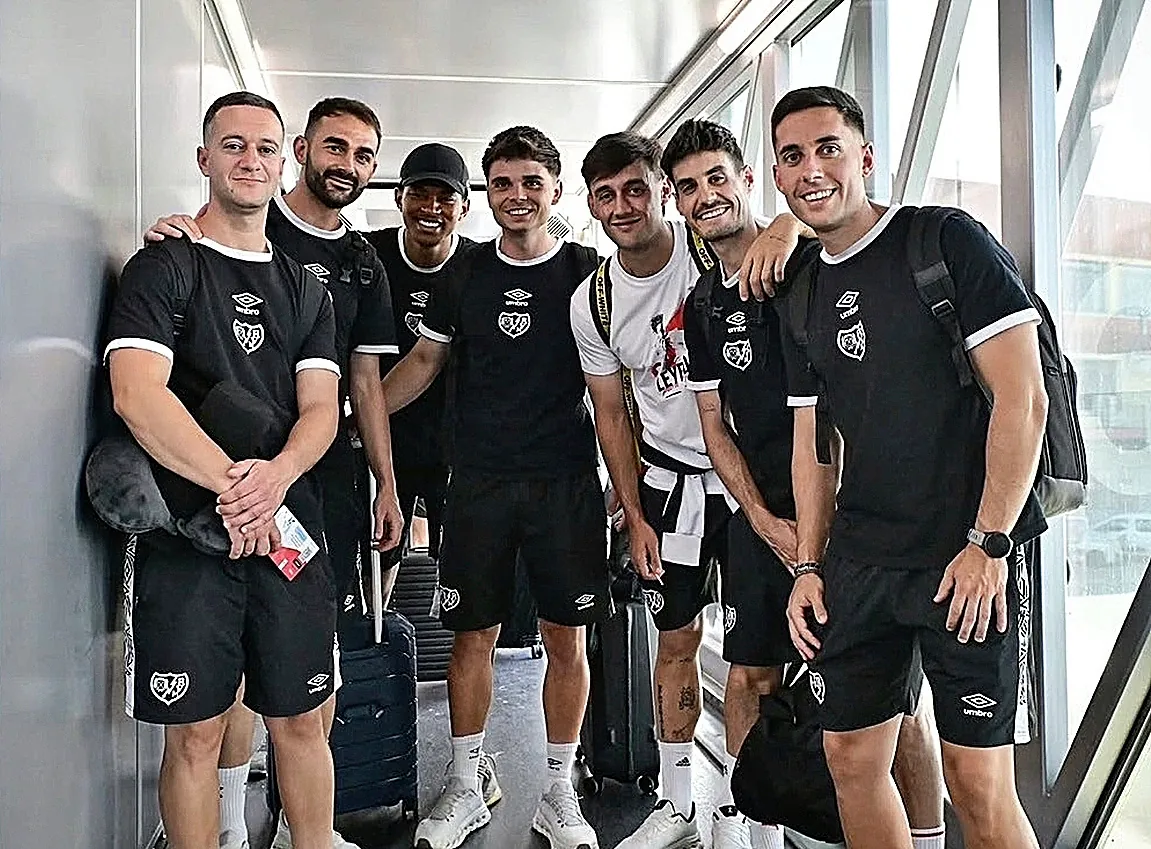
Rayo Vallecano’s Historic Run to the Conference League Final
Rayo Vallecano, a modest club from Madrid’s Puente de Vallecas district, is currently navigating the most significant period in its century-long history. With an unprecedented run to the UEFA Conference League final and a successful La Liga campaign, the club has transformed from a local institution into a continental disruptor.
The strategic success of Rayo Vallecano, currently sitting 8th in the 2025–26 La Liga standings, represents a masterclass in resource optimization. Under the leadership of president Raúl Martín Presa and head coach Íñigo Pérez, the club has managed to punch well above its historical weight class. Presa has characterized this European final appearance as the most significant achievement in Spanish sports over the last half-century, a claim that underscores the widening gap between the league’s traditional giants and a club operating with a 14,708-capacity stadium.
Tactical Periodization and the European Push
From a tactical perspective, Íñigo Pérez has implemented a high-intensity system that relies heavily on squad rotation and periodization to mitigate the physical toll of a dual-competition season. Looking at the raw performance data, key contributors like N. Mendy and Pacha have been instrumental in maintaining the defensive structure, while the team’s ability to secure points against top-tier opposition—as seen in the 2-0 victory over Villarreal CF—demonstrates a high level of tactical discipline. The club’s ability to transition from domestic La Liga fixtures to high-stakes European nights requires a level of athletic recovery that is often overlooked in mainstream analysis.
“Buscaremos en Vitoria el mayor hito de la historia del Rayo,” stated head coach Íñigo Pérez, highlighting the singular focus the squad maintains as they balance the final stretch of the league season with the demands of European knockout football.
This physical strain is where the professional-amateur divide becomes most apparent. While the elite players at Rayo Vallecano have access to world-class recovery protocols, the sheer volume of matches—often separated by less than 72 hours—risks soft-tissue injuries that can derail a season. For athletes at the grassroots level, such intensity without similar access to specialized sports rehabilitation and physical therapy often leads to career-ending complications. Clubs of Rayo’s size must prioritize the mitigation of these risks through precise load management, a practice that is rapidly becoming the gold standard for mid-market European clubs.
The Financial and Logistical Halo Effect
The success of the club has a direct, tangible impact on the local economy of Vallecas. As the team prepares for the Conference League final, the logistical requirements for fan engagement and stadium infrastructure have surged. The club’s decision to install giant screens at the Campo de Fútbol de Vallecas demonstrates a commitment to local inclusivity, but it also creates a massive vacuum for service providers. This is a recurring scenario for clubs undergoing a sudden shift in competitive status; the infrastructure must scale to meet the heightened demand for professional-grade event security and hospitality management.
The following table outlines the current squad’s defensive contributions, which have been pivotal in allowing the club to maintain a competitive position in La Liga:
| Player | Position | Matches Played | Goals Scored |
|---|---|---|---|
| N. Mendy | Defensa | 22 | 2 |
| Pacha | Defensa | 27 | 2 |
| Lejeune | Defensa | 34 | 1 |
| Pep Chavarría | Defensa | 31 | 1 |
Bridging the Gap: From Professional Success to Local Infrastructure
Rayo Vallecano’s sporting director, Cobeño, has noted that this is the “ideal moment to engage more people with the club.” This sentiment is not merely marketing; it is a business strategy aimed at expanding the franchise’s reach. However, growth brings legal and operational complexities. As the club negotiates higher-value sponsorship deals and manages international broadcast revenue, the need for robust sports and commercial contract law expertise becomes paramount. Protecting intellectual property and ensuring favorable terms for player transfers are the bedrock of sustaining this success beyond a single historic season.

The club’s trajectory offers a blueprint for how mid-market franchises can leverage continental success to stabilize their financial futures. By maintaining a focus on core values while professionalizing their back-office operations, Rayo Vallecano is proving that historical status is not a barrier to modern achievement. For local businesses and youth organizations looking to emulate this model of success, the key lies in the disciplined application of resources and the early engagement of professional services to manage the inevitable growth pains associated with high-level competition.
As the club moves toward the final chapter of its 2025–26 campaign, the focus remains on sustaining the momentum built throughout this grueling season. Whether or not they secure the trophy, the organizational shift toward a more sustainable, high-performance culture is likely to yield dividends for seasons to come. For those looking to mirror this professional approach, our directory offers access to the same caliber of sports management and infrastructure planning consultants that fuel modern European football.
Disclaimer: The insights provided in this article are for informational and entertainment purposes only and do not constitute medical advice or sports betting recommendations.