
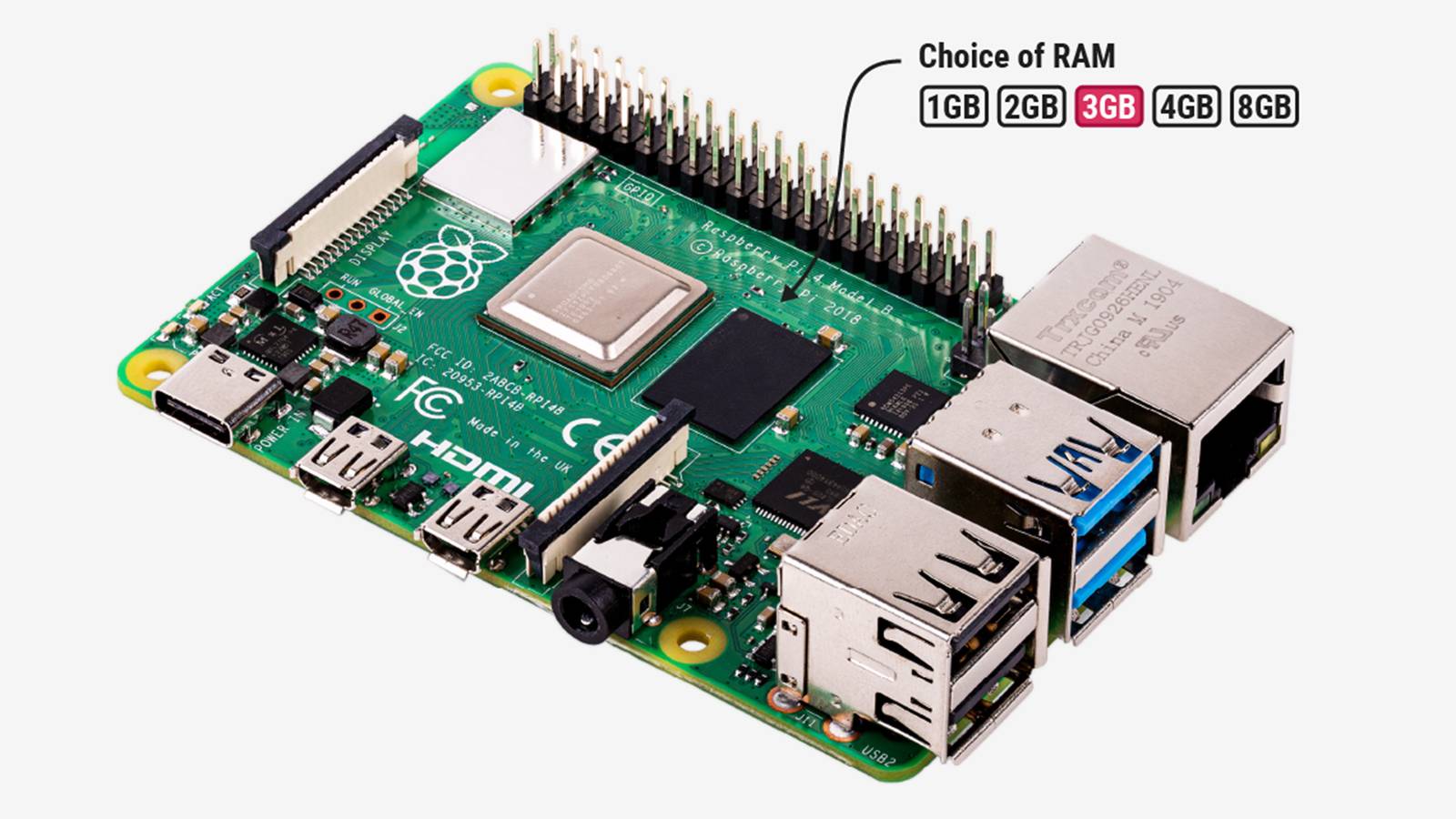
Raspberry Pi’s latest computer is an answer to the RAM pricing crisis
The RAM Crisis Hits Home: Raspberry Pi’s 3GB Pivot and the End of Cheap Edge Computing
The era of the sub-$50 single-board computer (SBC) as a universal development panacea is effectively over. Raspberry Pi Ltd has officially acknowledged what embedded systems engineers have suspected for months: the AI-driven memory shortage is no longer a supply chain rumor, it is a line item on your BOM. In a move that signals a shift from “hobbyist abundance” to “enterprise scarcity,” the foundation has launched a 3GB variant of the Raspberry Pi 4 at $83.75. This isn’t a feature update; it’s a cost-containment maneuver driven by a seven-fold spike in LPDDR4 pricing.
- The Tech TL;DR:
- Price Correction: The recent Pi 4 3GB model is a direct response to LPDDR4 memory costs surging 700%, forcing a “right-sizing” strategy for edge deployments.
- Fleet Impact: Existing Pi 4 and Pi 5 models (4GB/8GB/16GB) are seeing price hikes ranging from $25 to $100, disrupting budget-sensitive IoT rollouts.
- Legacy Stability: Older architectures (Pi 3, Zero) using LPDDR2 remain stable in price due to existing inventory, offering a temporary refuge for low-power tasks.
CEO Eben Upton’s justification is blunt: customers shouldn’t pay for memory they don’t need. While technically sound from a resource allocation perspective, this shift fundamentally alters the threat model for edge security. When hardware costs rise, the temptation to extend the lifecycle of vulnerable, end-of-life (EOL) devices increases. We are seeing a divergence where high-performance edge nodes become premium assets, while legacy hardware remains in production longer than security best practices recommend. For organizations managing large-scale IoT fleets, this volatility necessitates immediate engagement with specialized IT asset management firms to audit current hardware lifecycles against these new cost baselines.
The LPDDR4 Bottleneck and Architectural Trade-offs
The root cause here isn’t manufacturing incapacity; it’s allocation. The explosion of Large Language Models (LLMs) and AI inference workloads has cannibalized high-bandwidth memory production. Micron’s recent decision to sunset the Crucial brand to pivot toward data center HBM (High Bandwidth Memory) confirms that the consumer DRAM market is being deprioritized. Raspberry Pi is caught in the crossfire. The Pi 4 and 5 rely on LPDDR4, a commodity now fighting for silicon real estate against AI accelerators.
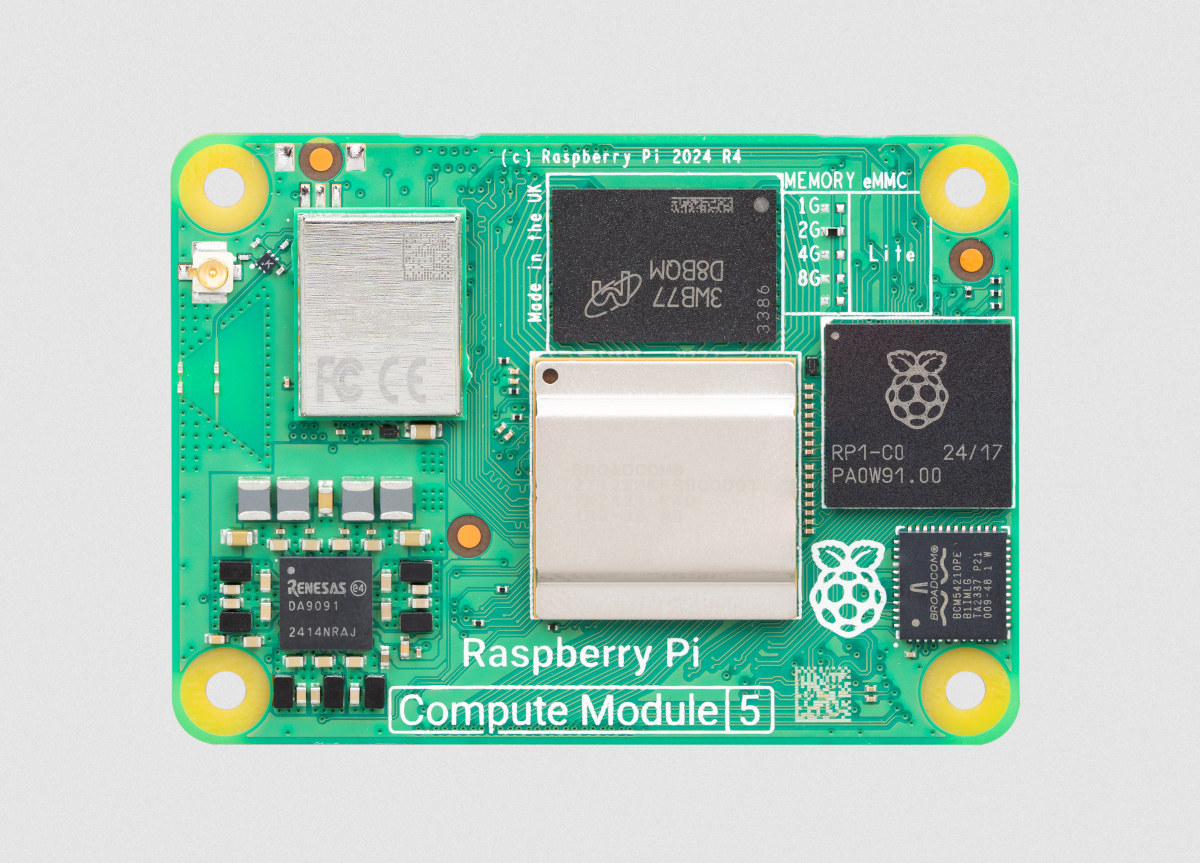
From an architectural standpoint, dropping from 4GB to 3GB on the Pi 4 creates a specific bottleneck for containerized workloads. If you are running Kubernetes clusters (K3s) or Docker containers with heavy Java-based applications, that 1GB reduction pushes you closer to OOM (Out Of Memory) killer thresholds. However, for pure Python scripts or lightweight Node.js services, the overhead is negligible. The real issue is the price elasticity of the higher-end models. A $100 premium on the 16GB Pi 5 changes the ROI calculation for edge AI gateways.
Security teams must recognize that cost pressures often lead to configuration drift. When new hardware is expensive, developers patch ancient systems instead of replacing them. This is where the risk surface expands. To mitigate this, enterprise IT departments are increasingly deploying vetted cybersecurity auditors and penetration testers to secure these aging endpoints before they become liabilities in the corporate network.
Specification Breakdown: The Cost of Memory
To understand the value proposition of this new 3GB SKU, we need to look at the raw silicon economics. The following table breaks down the current pricing tiers against the architectural capabilities. Note that the SoC (System on Chip) remains the Broadcom BCM2711 for the Pi 4, meaning compute performance is identical; only the memory bandwidth ceiling changes.
| Model Variant | RAM Configuration | Current Price (USD) | Price Delta | Primary Use Case |
|---|---|---|---|---|
| Raspberry Pi 4 (New) | 3GB LPDDR4 | $83.75 | N/A (New SKU) | Lightweight Edge / Home Assistant |
| Raspberry Pi 4 (Base) | 4GB LPDDR4 | +$25 Increase | +25% | General Purpose / Media Server |
| Raspberry Pi 5 (High-End) | 16GB LPDDR4X | +$100 Premium | +40% | Local LLM Inference / Heavy Compile |
| Raspberry Pi Zero W | 512MB LPDDR2 | Stable | 0% | Sensors / GPIO Control |
The data indicates a clear stratification. The “sweet spot” for general development has moved from the $55 range to nearly $85. This pricing pressure forces a re-evaluation of hardware selection criteria. Are you paying for RAM, or are you paying for the scarcity premium? For many production environments, the answer is the latter.
Implementation: Monitoring Memory Pressure
For developers sticking with the 3GB or 4GB models, aggressive memory management is no longer optional; it is a requirement for stability. You cannot afford memory leaks in a constrained environment. Below is a critical CLI command sequence to monitor real-time memory pressure and identify processes consuming excessive RSS (Resident Set Size) before the OOM killer intervenes.

# Monitor memory usage in real-time, sorted by highest consumption # Useful for identifying leaks on constrained 3GB/4GB Pi models watch -n 1 'ps aux --sort=-%mem | head -n 10 && echo "---" && free -h'This command provides a second-by-second view of your heap usage. In a production environment, you should pipe this output to a logging daemon. If you see consistent growth in the `%MEM` column for a specific service, you are looking at a leak that will crash a 3GB node within 48 hours.
Industry Perspective: The Security Implications
The shift in hardware economics has ripple effects beyond budgeting. As noted by the AI Cyber Authority, the intersection of AI and cybersecurity is defined by rapid technical evolution. When hardware becomes a scarce resource, the “security by obscurity” of older, cheaper devices becomes a liability. We are seeing a trend where organizations delay hardware refreshes, keeping vulnerable firmware in circulation longer.
“The scarcity of mid-range RAM is forcing a ‘survival of the fittest’ in edge deployments. We are advising clients to audit their fleet for devices running end-of-life kernels. If you can’t afford to replace the hardware due to these price hikes, you must invest heavily in network segmentation to isolate those legacy nodes.” — Senior Infrastructure Architect, Global IoT Integrator
This sentiment underscores the need for a strategic pivot. It is not just about buying the new 3GB board; it is about securing the existing infrastructure that can no longer be easily replaced. For companies facing this dilemma, engaging cybersecurity risk assessment and management services is the logical next step to ensure that cost-cutting on hardware doesn’t lead to a breach in security.
The Verdict: A New Normal for Edge Computing
Raspberry Pi’s move to introduce a 3GB model is a pragmatic admission of market reality. It is a “lifeboat” for developers priced out of the 4GB tier. However, the broader implication is that the golden age of cheap, abundant compute for the masses is pausing. The AI boom has raised the tide, and while it lifts the yachts (data centers), it threatens to swamp the dinghies (SBCs).
For the CTOs and principal engineers reading this: do not treat this as a temporary blip. Model your CAPEX for the next 18 months assuming sustained high memory costs. If your workload allows, the legacy Pi 3 or Zero series offers a stable price point, but verify their security support status immediately. The directory of available hardware is shrinking, and the cost of entry is rising. Adapt your architecture now, or pay the premium later.
Disclaimer: The technical analyses and security protocols detailed in this article are for informational purposes only. Always consult with certified IT and cybersecurity professionals before altering enterprise networks or handling sensitive data.