
Rare Wampum Beads Unearthed at newfoundlands 17th-Century Colony of Avalon
FERRYLAND, NEWFOUNDLAND – Archaeologists excavating the Colony of Avalon, one of the earliest European settlements in North America, have announced the finding of rare wampum beads, offering new insights into early colonial trade adn interactions with Indigenous populations. The find, revealed this week, includes meticulously crafted beads made from quahog and whelk shells, materials not native to Newfoundland.
The Colony of avalon, founded in 1621 in what is now Ferryland, Newfoundland, served as a crucial, though short-lived, attempt by Sir George Calvert to establish a proprietary colony. The wampum discovery underscores the complex network of exchange that existed between European settlers and Indigenous groups during the colony’s lifespan, and provides tangible evidence of diplomatic and economic relationships previously documented only in past records. Since the 1980s, excavations at the site have yielded tens of thousands of artifacts, including English, Dutch, and German pottery, glassware, iron tools, and weaponry.
Wampum beads held important cultural and economic value for Indigenous peoples along the eastern coast of North America. Used for trade, ceremonial purposes, and as a form of record-keeping, the beads were created from polished shells and strung together to form belts, collars, and other items. The presence of these beads at the Colony of Avalon suggests active trade routes extending far beyond Newfoundland, and highlights the importance of Indigenous participation in the colonial economy.
“The discovery of wampum at Avalon is incredibly significant,” said researchers with the Colony of Avalon archaeological site. ”It demonstrates that the colony wasn’t simply an isolated outpost, but a node in a much larger system of exchange.”
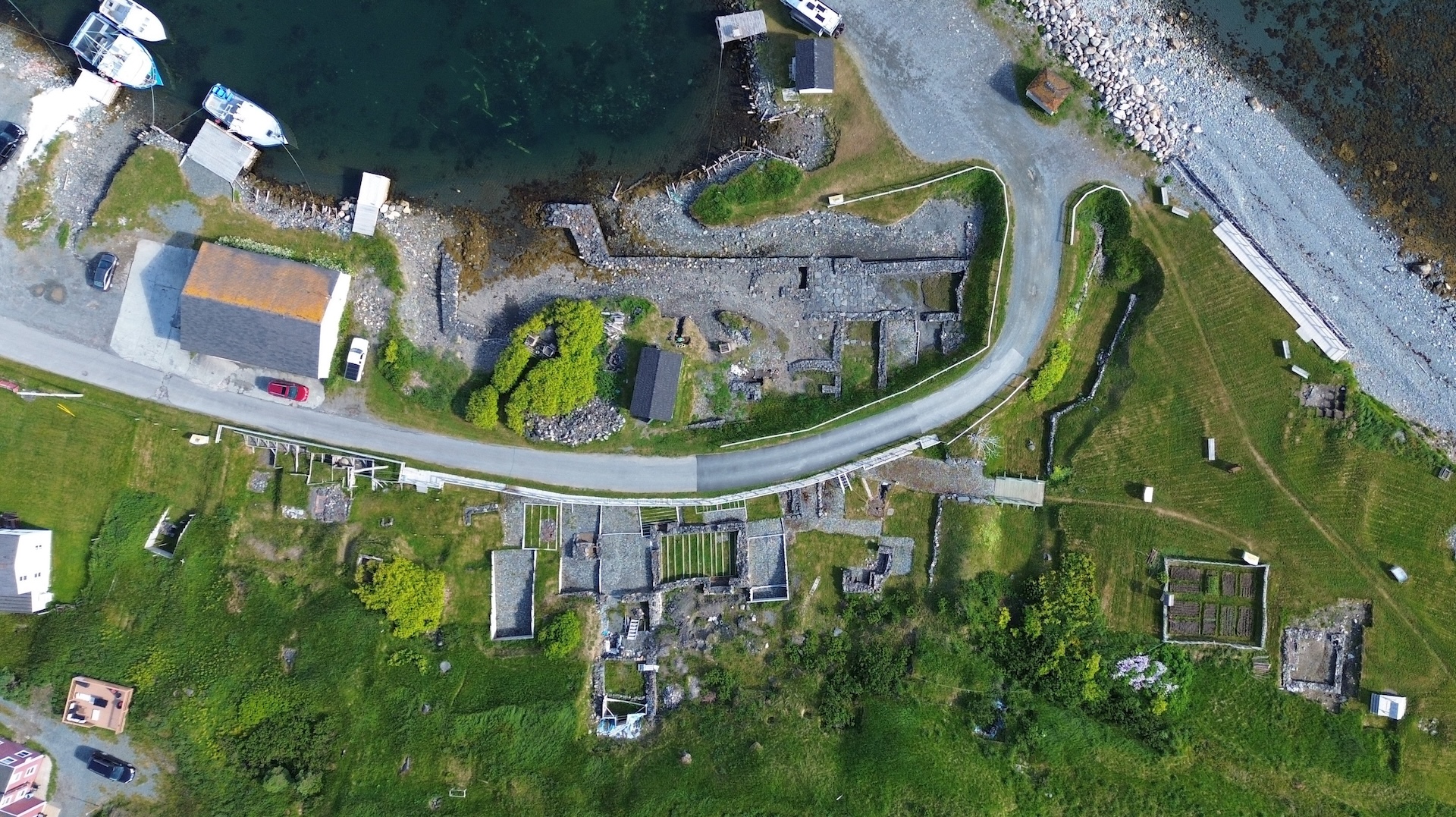
Archaeologists have also unearthed remains of cobblestone streets, a seawall, and the ruins of a large “Mansion House” believed to have been built by Calvert himself.Ongoing excavations continue to reveal details about the lives of the early settlers and thier interactions with the Beothuk and Mi’kmaq peoples who inhabited the region. The site, now part of the town of Ferryland, remains an active archaeological dig and a key location for understanding the early history of North America.
