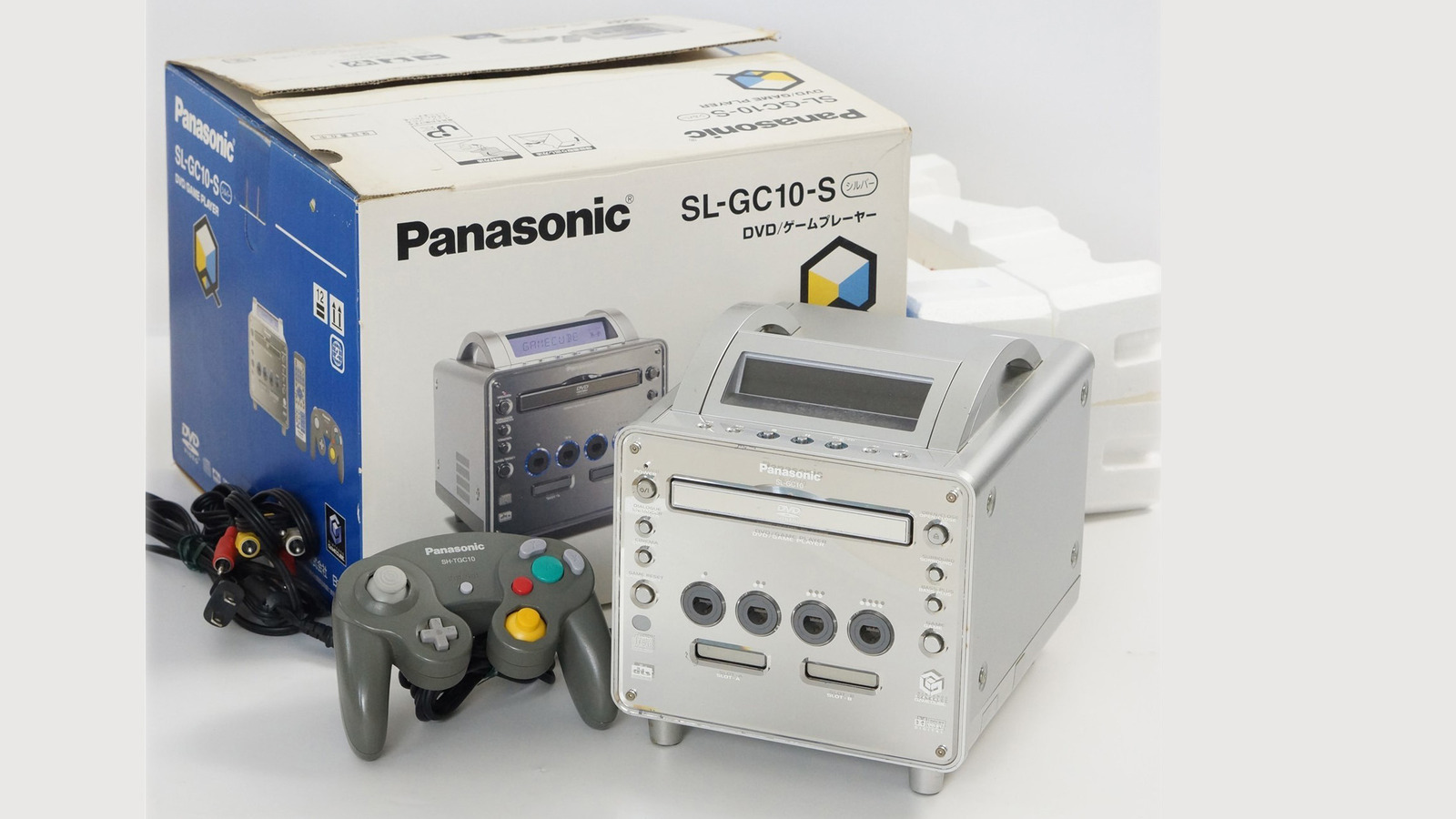
Rare Panasonic Q GameCube: Value, Features, and How to Identify It
The Only GameCube That Could Play CDs and DVDs Commands Over $1,000 Today
The Panasonic Q—a licensed, hybrid variant of Nintendo’s sixth-generation console capable of reading standard-sized optical media—routinely commands secondary market valuations exceeding $1,000 as collector interest and hardware preservation efforts intensify. Unlike standard Nintendo GameCube units designed exclusively for proprietary 8cm mini-DVDs, this rare co-branded device integrated a top-tier DVD player mechanism within a mirrored stainless steel chassis, creating unique engineering challenges and enduring appeal for vintage hardware enthusiasts.
The Tech TL;DR:
- The Hardware Anomaly: Manufactured exclusively in Japan by Panasonic in partnership with Nintendo, the Q plays standard 12cm DVDs, audio CDs, and original GameCube 8cm discs.
- Market Valuation: Fully functional units complete with the original matching remote control and custom base frequently trade above $1,000 on platforms like eBay and specialized auction sites.
- Engineering Vulnerabilities: The complex tray-loading optical drive and aging mechanical belt systems require meticulous maintenance, making professional refurbishment vital for collectors.
Under the Hood: Architectural Divergence from Standard Nintendo Hardware
Released in December 2001 solely for the Japanese domestic market, the Panasonic Q (model SL-GC10) diverged significantly from Nintendo’s stock console architecture while retaining the core 485 MHz IBM Gekko PowerPC CPU and 162 MHz ATI Flipper graphics processor. Per historical product documentation archived by retro hardware registries and documented on communities like GitHub preservation repositories, the primary hardware distinction lies in its custom optical disc drive and secondary control board.
Standard GameCubes utilized a proprietary 1.5GB mini-DVD format engineered by Matsushita (Panasonic’s parent company) to mitigate piracy risks and reduce load times. The Panasonic Q bypassed this physical limitation by incorporating a motorized tray mechanism that accommodated standard 12cm discs. This required an entirely separate internal sub-board dedicated to handling standard DVD decoding, audio processing, and front-panel display logic, including a blue backlit LCD screen showing track data and playback status.
The Maintenance Bottleneck: Mechanical Complexity and Tray Failure
For systems engineers and hardware restoration specialists, the Panasonic Q represents a notorious maintenance challenge. Over two decades after its initial manufacturing run, the rubber drive belts operating the motorized tray mechanism frequently degrade, leading to mechanical jams and read errors. According to technical restoration logs shared within developer communities on Stack Overflow discussions on embedded systems, failing capacitors on the audio-visual output board can also degrade signal integrity, resulting in audio distortion or composite/S-video artifacting.
When enterprise-grade or consumer vintage hardware requires precision restoration, collectors and enthusiasts typically coordinate with specialized hardware asset management firms ensures that fragile units are safely transported and climate-stored without sustaining chassis deformation or structural corrosion to their signature mirrored steel plating.
The Architectural Legacy of Matsushita and Nintendo Collaboration
The partnership between Nintendo and Matsushita remains a fascinating chapter in hardware design, bridging the gap between dedicated gaming consoles and home theater entertainment centers long before modern multimedia hubs became standard. While subsequent console generations abandoned physical media in favor of solid-state storage and digital distribution pipelines managed via continuous integration (CI) deployment scripts, the Panasonic Q stands as a testament to complex electro-mechanical engineering.
As surviving units dwindle and component degradation accelerates, the valuation of functional Panasonic Q consoles will likely remain insulated from broader consumer electronics depreciation trends. Preserving these hybrid systems requires an interdisciplinary approach combining vintage micro-soldering expertise, mechanical engineering, and rigorous archival standards.
Disclaimer: The technical analyses and security protocols detailed in this article are for informational purposes only. Always consult with certified IT and cybersecurity professionals before altering enterprise networks or handling sensitive data.