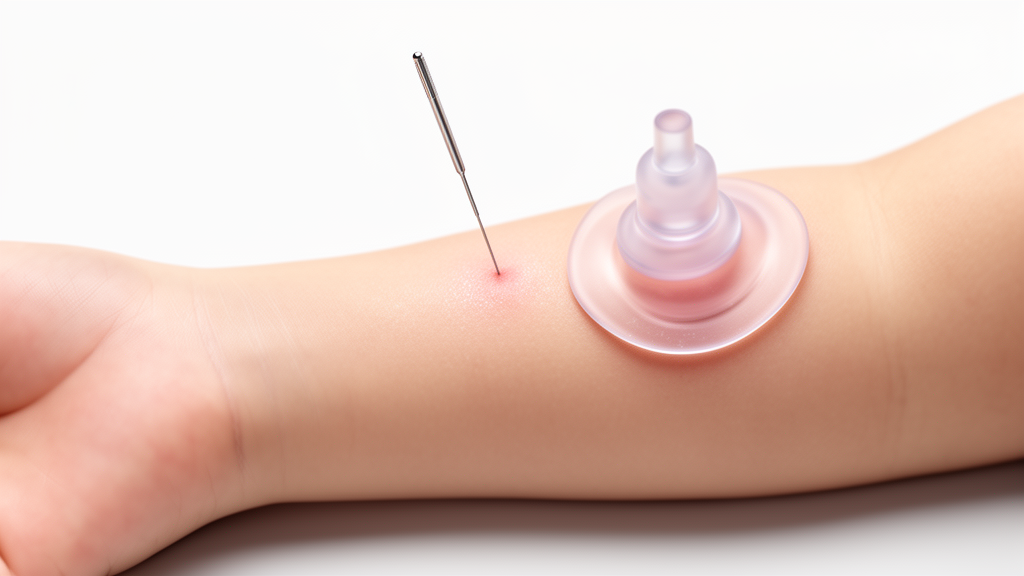
Rapid Symptom Relief in Pediatric Atopic Dermatitis via Acupuncture and Cupping
An eight-year-old boy experienced a sharp drop in severe pediatric eczema severity after clinicians added acupuncture and bloodletting cupping to his daily herbal bath regimen, according to a clinical report published in Frontiers in Pediatrics.
- An eight-year-old boy with severe atopic dermatitis saw his SCORAD index drop from 69.8 to 29.3 after two sessions of acupuncture and bloodletting cupping.
- Clinicians at the Third Affiliated Hospital of Zhejiang Chinese Medical University documented the case after standard topical treatments failed to control the child’s symptoms over a two-year period.
- Study authors said that spontaneous disease fluctuations and concurrent herbal baths prevent establishing direct causal efficacy, calling for larger randomized controlled trials.
Pediatric patients often face a significant decline in quality of life due to atopic dermatitis, a recurrent inflammatory skin condition characterized by persistent itching and eczema outbreaks.
Although modern care depends mainly on medical therapies, achieving adequate symptom control in some children remains challenging, and possible side effects can restrict how acceptable these treatments are over time. Clinical evidence supporting adjunctive approaches such as acupuncture combined with bloodletting cupping has remained scarce.
The patient had experienced recurrent, widespread cutaneous eruptions for more than three years. Lasting disease control could not be achieved through earlier treatments involving topical steroids and non-steroidal options given over a span of about two years.
The child stopped using all topical creams in August 2025 and started taking daily herbal baths from China as his only treatment. This approach yielded partial improvement and remained unchanged throughout the subsequent observation period.
An acute flare occurred in May 2026, featuring widespread, intensely itchy papulovesicles, oozing, and crusting all over the patient’s face. Further skin lesions appeared on his trunk and limbs, accompanied by leftover dark spots and skin thickening in areas that had been affected before.
Associated signs included irritability, warmer-than-usual hands, sleep problems driven by intense itching, constipation, and redness on the tip of the tongue. Clinicians responded to the sudden worsening by adding acupuncture and bloodletting cupping to the ongoing herbal bath routine as an extra treatment.
The patient’s disease severity was evaluated using the SCORing Atopic Dermatitis index, which measured 69.8 at baseline prior to the combined procedural intervention. Following two treatment sessions, the patient’s SCORAD score decreased from 69.8 to 29.3, accompanied by noticeable improvements in pruritus and pruritus-related sleep disruption.
During a follow-up evaluation two months later, the score dropped further to 25.9, demonstrating ongoing clinical stability with zero documented or noticed side effects connected to the therapy plan. Noting that the patient kept taking Chinese herbal baths during the entire treatment period and that atopic dermatitis can change on its own, the authors said that this timeline does not prove the treatment directly caused the improvement.
Because of this, the researchers stressed that these results should be considered preliminary and useful for generating hypotheses, and they concluded that bigger, well-designed randomized controlled trials are required to properly evaluate the safety and effectiveness of adding acupuncture and bloodletting cupping.
Disclaimer: The information provided in this article is for educational and scientific communication purposes only and does not constitute medical advice. Always consult with a qualified healthcare provider regarding any medical condition, diagnosis, or treatment plan.