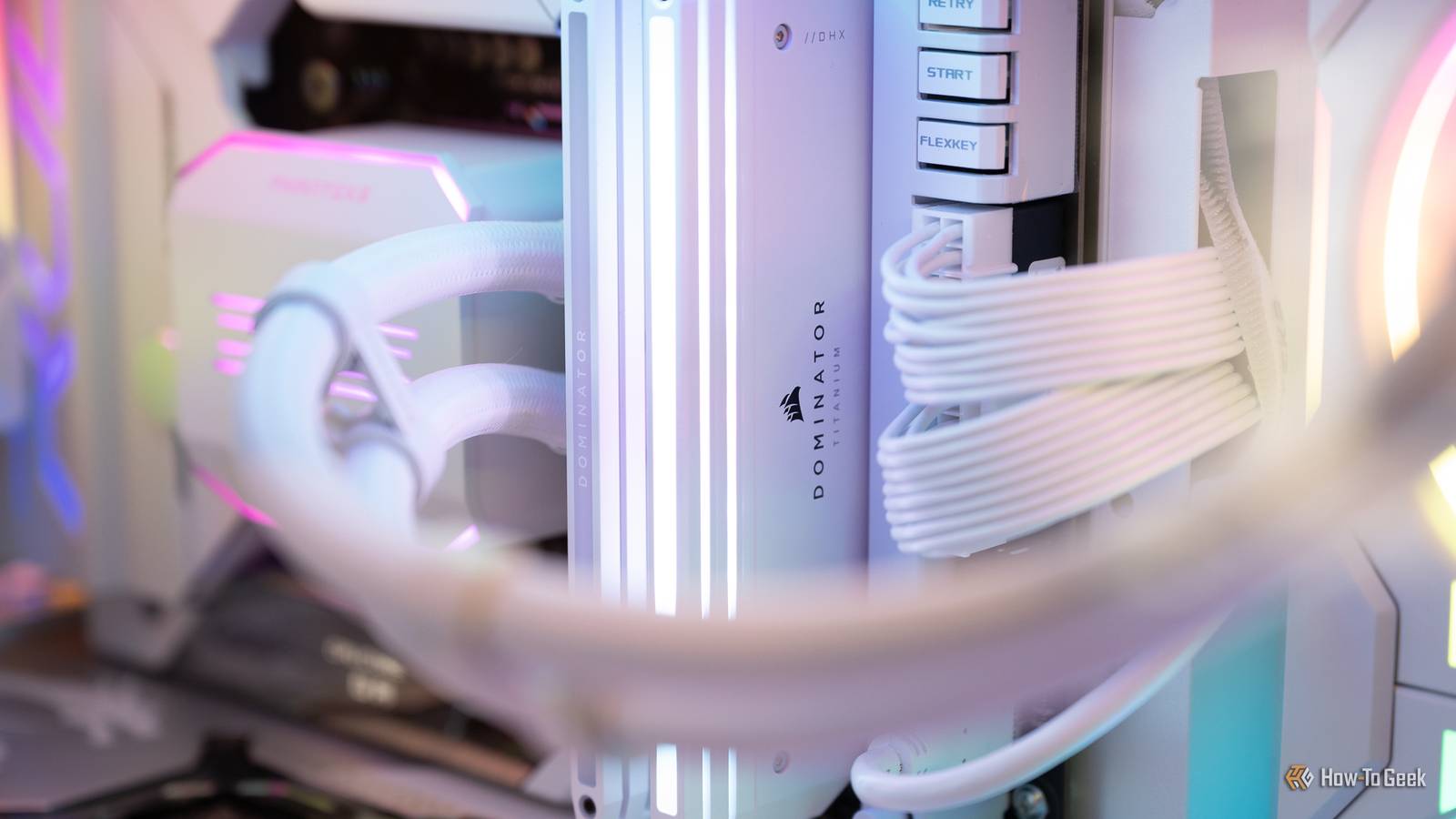
RAM shortage pauses six PC-building breakthroughs, HowToGeek reports
DDR5 Standards and PC Component Prices Halted by RAM Shortage
Skyrocketing RAM prices have forced a pause on six major PC-building breakthroughs, leaving buyers with higher costs and stalled hardware progress across the consumer market, howtogeek.com reported.
The Tech TL;DR:
- DDR5 memory pricing shifts have caused AMD and Intel to lean back into older DDR4 standards instead of making newer architecture the universal baseline.
- Integrated graphics performance faces immediate bottlenecks because iGPUs depend entirely on system memory bandwidth and capacity rather than dedicated VRAM.
- Local artificial intelligence models and enterprise homelabs require memory thresholds of 32GB to 128GB that are currently economically unviable for average builders.
Stalled Transition to Affordable DDR5 Memory Standards
Memory pricing had stabilized significantly in the year preceding the current crisis, creating a viable path for builders to transition away from aging platforms. Motherboards and CPUs tailored for DDR5 were finally seeing mainstream adoption. The sudden spike in RAM costs erased that momentum entirely, forcing major manufacturers like AMD and Intel to double down on DDR4 support. Meanwhile, older standards like DDR3 remain entrenched in homelabs due to prohibitive replacement costs.
# Check current local memory allocation and swap usage
free -h
vmstat 1 5
The 32GB Capacity Ceiling for Modern Gaming Rigs
Running modern software efficiently requires hardware headroom that many users can no longer afford to purchase. While 8GB configurations sufficed a decade ago, 16GB became the baseline minimum for standard users. Power users and gamers targeting contemporary workloads now require 32GB as a baseline. The ongoing financial squeeze leaves budget-constrained builders stranded on 16GB configurations that struggle with modern multitasking demands.
Integrated Graphics Performance Bottlenecks Due to System Memory Pressures
Integrated graphics processors have advanced remarkably, enabling basic gaming and rendering tasks without discrete hardware. However, iGPUs lack dedicated video RAM and must siphon bandwidth directly from system memory. Dual-channel configurations remain critical for squeezing usable performance out of shared memory pools. The inflated cost of memory kits directly restricts these performance gains for budget systems relying solely on integrated silicon.
High-Frequency DDR5 Speeds Above 9000 MT/s Limited to Niche Enthusiasts
Memory clock rates were pushing past 9,000 MT/s, aided by clock driver technologies like CUDIMM designed to maintain signal integrity at extreme frequencies. These architectural changes aimed to reduce latency and lift throughput ceilings. With basic memory kits commanding premium prices, mainstream builders cannot justify the steep financial premium required for high-frequency enthusiast modules.
Memory Density Dictates Affordable Server Assembly
Assembling affordable home network-attached storage or virtualization servers depends heavily on cost-effective memory density. Running simple file shares or single Docker containers requires modest capacity, but virtualization and multiple virtual machines demand substantial RAM allocations. Sourcing sufficient memory modules for secondary machines has become financially impractical, locking older hardware into stagnant configurations.
Local Artificial Intelligence Deployment and Mini PC Memory Limits
Compact form-factor computers have integrated unexpected processing power, as seen in systems like the Gekoom IT13 2026 equipped with 32GB of RAM. Executing local large language models efficiently requires scaling capacities from 32GB up to 128GB depending on parameter weights. High-end mini PCs bypass the need for massive discrete GPUs by using large shared memory pools, but these configurations remain economically out of reach for individual developers.
Always consult with certified IT and cybersecurity professionals before altering enterprise networks or handling sensitive data.