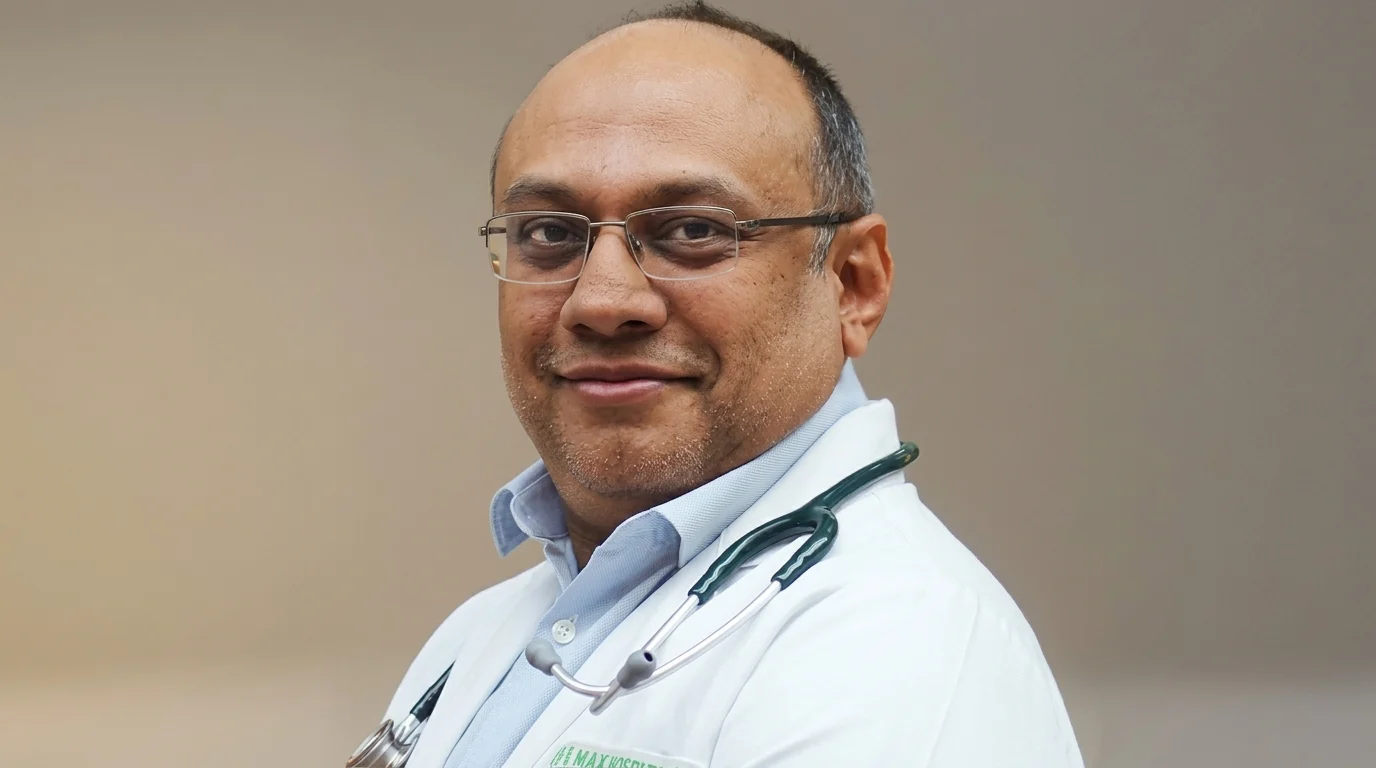
Rahul Bhargava: Multiple Myeloma Now Demands Dedicated Specialty
Multiple myeloma treatments have grown at such a fast pace that knowledge of five medications is insufficient to master one therapeutic category, noted Rahul Bhargava, Director and Head of Hematology, Hemato-Oncology, and Stem Cell Transplant at Fortis Health Care, in a post on LinkedIn.
This perspective was provided by Rahul Bhargava, Director and Head of Hematology, Hemato-Oncology, and Stem Cell Transplant at Fortis Health Care, via LinkedIn. He said that the US National Cancer Institute currently lists 191 multiple myeloma treatment trials, including over 60 active studies focusing exclusively on next-generation antibody-based therapies.
“Multiple Myeloma Is No Longer Just a Disease, It’s a Specialty in Itself,” Bhargava wrote.
The clinical field now features advanced options such as Teclistamab, Talquetamab, Elranatamab, Linvoseltamab, Cevostamab, Etentamig, and Belantamab. Researchers are also looking beyond bispecific antibodies toward trispecific treatments like Ramantamig, SIM0500, and ISB 2001, targeting biological markers including BCMA, GPRC5D, FcRH5, and CD38.
“The science is moving at breathtaking speed,” Bhargava said.
According to the specialist, modern treatment requires addressing complex questions regarding patient selection, disease stage, drug sequencing, and the choice between transplants and CAR-T therapy. Clinicians must also manage resistance, toxicities, and financial accessibility.
“In India, this becomes even more complex because scientific excellence must coexist with financial accessibility,” Bhargava added.
To address these challenges, the Centre of Excellence for Multiple Myeloma at Fortis Memorial Research Institute in Gurugram aims to build disease-specific expertise. Bhargava argued that the next decade of care will rely on intelligent drug usage rather than sheer drug volume.