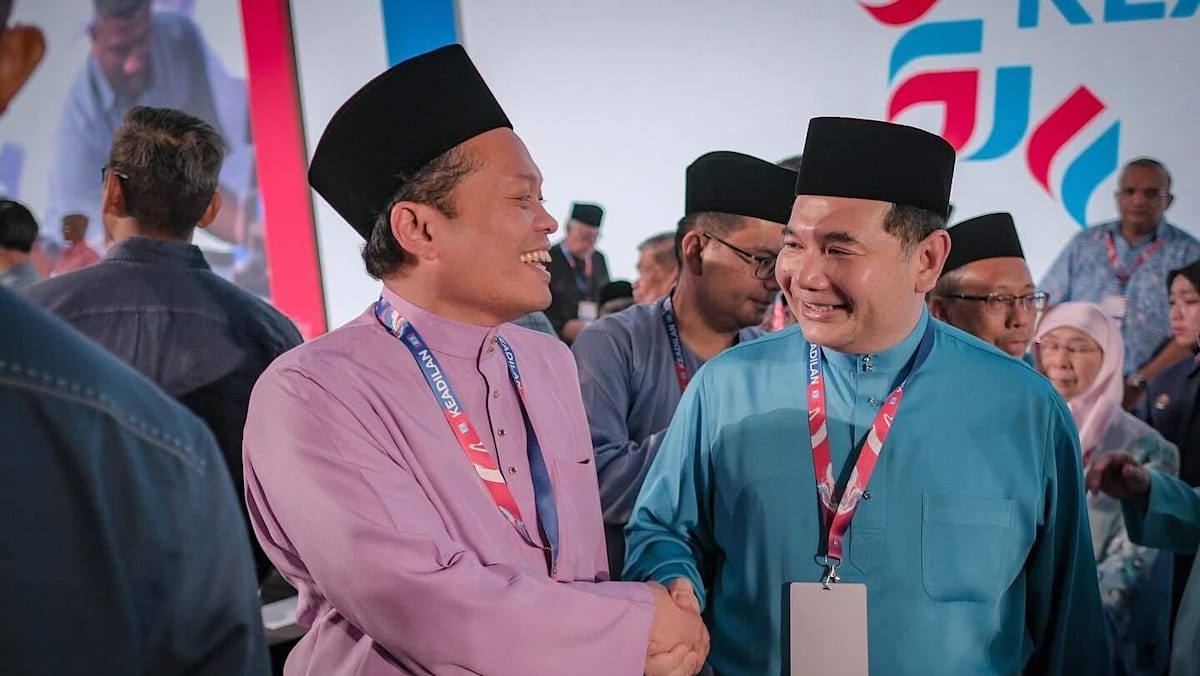
Rafizi Ramli and Nik Nazmi Quit PKR to Form Parti Bersama Malaysia
Former Malaysian Cabinet ministers Rafizi Ramli and Nik Nazmi Nik Ahmad are resigning from the ruling Parti Keadilan Rakyat (PKR) to join Parti Bersama Malaysia. By vacating their Pandan and Setiawangsa parliamentary seats, the former ministers are launching what they describe as a “kamikaze mission” to provide a new political platform for the people.
The political landscape in Malaysia underwent a seismic shift on Sunday, May 17, 2026, as two high-profile figures from Prime Minister Anwar Ibrahim’s administration announced their departure from the ruling coalition. The exit of Rafizi Ramli, the former Economy Minister, and Nik Nazmi Nik Ahmad, the former Natural Resources and Environmental Sustainability Minister, represents more than just a change in party membership; It’s a calculated disruption of the current parliamentary status quo.
This move comes at a sensitive juncture for the Anwar administration. While the government has been navigating various domestic and economic challenges, the sudden loss of two influential voices and the subsequent vacancy of two key parliamentary seats introduces a new layer of unpredictability into the legislative process.
The “Kamikaze Mission”: A High-Stakes Political Gamble
The terminology used by Rafizi Ramli to describe this transition is telling. By characterizing the move as a “kamikaze mission,” Ramli signaled a willingness to embrace significant personal and political risk. In the context of Malaysian politics, where losing a parliamentary seat often involves the forfeiture of significant financial deposits and the loss of established political influence, such a declaration is rare.
“The ‘kamikaze mission’ was worth it as [I want] to offer a political platform to those who believe that political power belongs to the people.”
Ramli’s stated motivation centers on a desire to democratize political agency, moving away from established party structures toward a platform that emphasizes direct representation. This ideological pivot suggests that the duo is not merely seeking a new home, but is actively attempting to reshape the competitive landscape of Malaysian politics.
The decision to join Parti Bersama Malaysia—a minor political party that has been registered for 10 years—further underscores the unconventional nature of this maneuver. Rather than joining a larger, established opposition bloc, the former ministers are opting to bolster a smaller entity, potentially acting as a catalyst for a broader realignment of political forces in the region.
Strategic Vacancy: Bypassing the By-Election Cycle
One of the most consequential aspects of this announcement is the decision regarding the parliamentary seats of Pandan and Setiawangsa. Rather than triggering the standard by-election process, which would require significant state resources and intense local campaigning, the ministers have opted to leave their seats vacant.
Because the current parliamentary term has already exceeded three years, the legal and procedural implications are clear: the seats will simply remain unoccupied until the next general election. This decision is strategically significant for several reasons:
- Resource Conservation: By bypassing by-elections, the government and the political parties avoid the logistical and financial burden of mid-term contests.
- Political Momentum: Leaving the seats vacant prevents the ruling coalition or the opposition from gaining an immediate “victory” or “loss” momentum through a contested election.
- Legislative Focus: The move allows the Dewan Rakyat (Malaysia’s House of Representatives) to continue its current business without the distraction of localized electoral battles, though it does reduce the total number of active representatives.
Both Ramli and Nik Nazmi have indicated they will formally communicate their decision to the Speaker of the Dewan Rakyat on Monday, May 18, 2026, to finalize the legal process of vacating their respective constituencies.
Comparative Impact: The Shift in Parliamentary Dynamics
The departure of these ministers alters the composition of the ruling coalition and the weight of the voices representing the economy and environmental sustainability sectors. The following table outlines the immediate shifts resulting from this announcement:
| Feature | Pre-May 17 Status (PKR) | Post-Announcement Status (Parti Bersama Malaysia) |
|---|---|---|
| Leadership Presence | Core members of the Anwar administration | Founding/Leading figures of a minor party |
| Parliamentary Representation | Active MPs for Pandan and Setiawangsa | Seats vacant until the next general election |
| Policy Influence | Direct influence via Cabinet ministries | Indirect influence via opposition/new platform |
| Political Risk Profile | Stable within the ruling coalition | High-risk “kamikaze” realignment |
Navigating the Aftermath: Risks for Stakeholders
For the business community and international observers, the splintering of a ruling coalition is a signal to review contingency plans. Political volatility can lead to shifts in regulatory priorities, particularly in sectors previously overseen by the departing ministers, such as economic policy and environmental sustainability.

As the administration of Prime Minister Anwar Ibrahim adjusts to the absence of these key figures, organizations operating within Malaysia may find it necessary to consult with geopolitical risk assessment specialists to understand how this realignment might affect long-term policy stability. The legal complexities surrounding the transition of parliamentary authority and the formation of new political movements often require the expertise of constitutional law practitioners to ensure all legislative and regulatory frameworks are respected.
The departure of Rafizi Ramli and Nik Nazmi Nik Ahmad is not merely a localized political event; it is a stress test for the resilience of Malaysia’s current governing framework. Whether this “kamikaze mission” succeeds in creating a meaningful new platform or simply diminishes the influence of its participants remains to be seen. However, one thing is certain: the path toward the next general election has just become significantly more complex.
In an era of rapid political realignment, staying ahead of legislative shifts is paramount. For professionals and organizations navigating these changing waters, finding verified strategic advisory services is the most effective way to turn political uncertainty into actionable intelligence.