
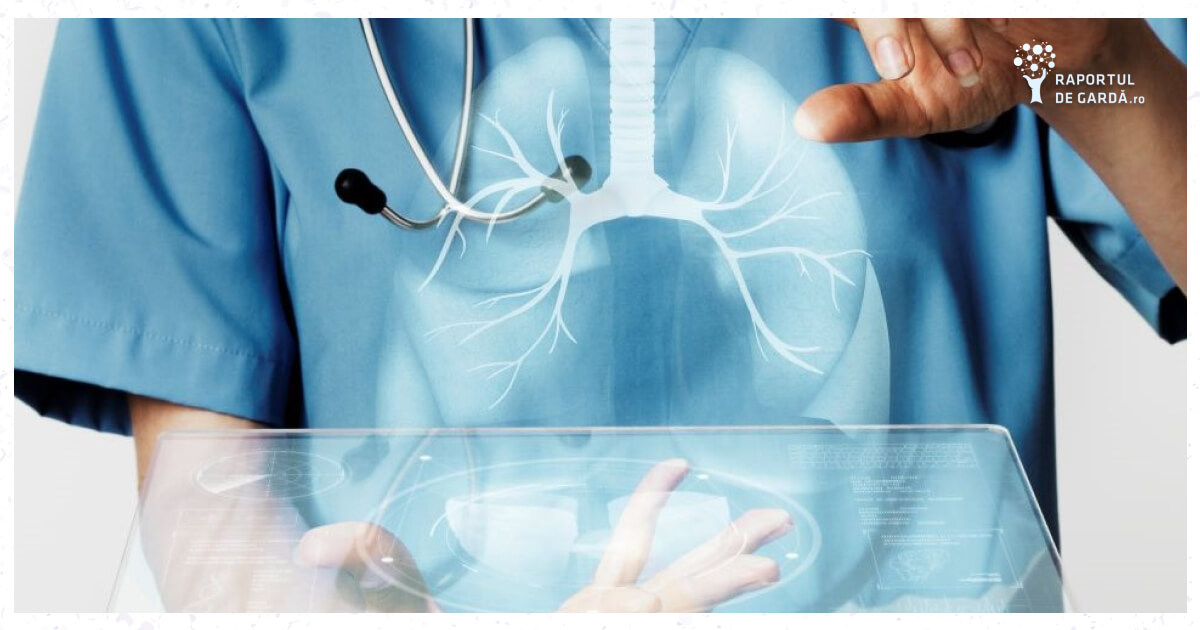
Radiology Takes Center Stage in Revolutionizing Lung Cancer Care, Moving Beyond Fear to Effective intervention
BUCHAREST, Romania – A paradigm shift is underway in lung cancer care, with radiology evolving beyond image interpretation to become a central pillar in optimizing the patient journey – from early detection and risk assessment to targeted treatment and improved continuity of care. New advancements in technology, coupled with a focus on empathetic patient dialog and refined screening criteria, are redefining the fight against a disease historically shrouded in fear and stigma.
traditionally defined by late-stage diagnoses and limited treatment options, lung cancer is now increasingly characterized by the possibility of effective intervention, thanks to progress in early detection. Specialists emphasize the critical need to constantly update screening selection criteria, leveraging epidemiological research to pinpoint high-risk groups and maximize the benefits of interventions.
However, successful implementation hinges on addressing patient anxieties. The fear of investigations and the stigma associated with smoking can hinder engagement with screening programs.Thus, an empathetic, clear, and non-judgmental communication framework is essential to encourage participation.
This evolution is being powerfully driven by technological innovation, which is expanding the role of radiology through predictive analysis and surveillance assisted by artificial intelligence (AI) and custom algorithms. The true value of these tools, though, lies in their broad integration – extending from university centers to rural clinics – to ensure benefits reach the entire eligible population.
Radiology’s role is no longer limited to simply interpreting images. The future demands the growth of collaborations to create interdisciplinary systems that reduce fragmentation and improve continuity of care.
Lung cancer occurs when lung cells divide uncontrollably, forming tumors that can impact organ function.The disease typically originates in the airways or alveoli and can metastasize. The two primary types are non-small cell lung cancer (NSCLC), the more prevalent form, and small cell lung cancer (SCLC), which is more aggressive. Cancer stages range from 0 (localized) to IV (metastatic), with metastatic forms proving more challenging to treat.
Early symptoms can be subtle, but often include a persistent cough, shortness of breath, chest pain, hoarseness, or unexplained weight loss. While smoking remains the leading risk factor, exposure to harmful substances, passive smoking, and family history also contribute. Diagnosis relies on physical examinations, imaging, and biopsies, with treatment options encompassing surgery, radiation therapy, chemotherapy, targeted therapies, immunotherapy, and palliative care.
Ultimately, prevention – avoiding harmful substances, maintaining a balanced lifestyle, and participating in regular screening programs for at-risk individuals – remains paramount.
This article was drafted with the assistance of AI, verified and edited by the Guard Report team, comprised of medical specialists.
