
Pediatric Bone Cancer Survival Rates Rise with Multidisciplinary Approach & Early Detection
Madrid, Spain – Advances in medical treatment and increased collaboration between specialists are significantly improving survival rates for children and adolescents diagnosed with bone cancer, according to a recent report from Redacción Médica. While rare, osteosarcoma and Ewing sarcoma are teh moast common malignant bone tumors in pediatric patients, and early, accurate diagnosis is proving critical to successful outcomes.
Osteosarcoma accounts for approximately 60 percent of malignant bone tumors in children and adolescents, with the highest incidence occurring between the ages of 10 and 20. The tumor typically develops in the metaphysis of long bones – the femur (thigh bone), tibia (shin bone), or humerus (upper arm bone). Ewing sarcoma represents 20 to 25 percent of these tumors, primarily affecting children aged 10-15. Unlike osteosarcoma, Ewing sarcoma frequently appears in the axial skeleton (pelvis and ribs) and the diaphysis (shaft) of long bones.
“Both types of sarcoma manifest clinically with persistent bone pain, local inflammation, a palpable mass, functional limitation, and sometimes fever,” explains Dr.Moreno, whose last name was not provided in the source article.
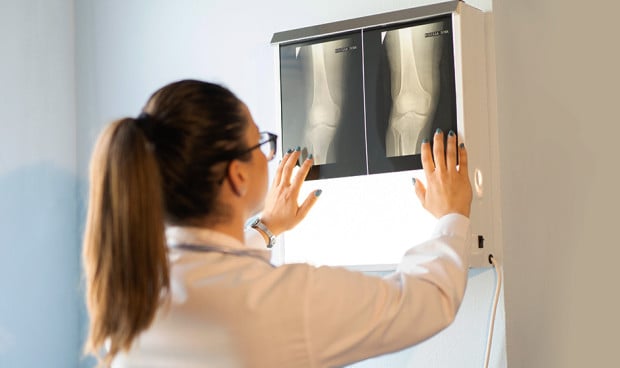
Diagnosis relies on a combination of factors: recognizing the clinical symptoms, utilizing image tests such as radiography (X-rays), magnetic resonance imaging (MRI), and computerized tomography (CT) scans, and crucially, biopsy confirmation. The article highlights the importance of imaging in guiding directed biopsies, ensuring accurate tissue sampling.
Prognosis is influenced by several key factors,including the presence of metastasis (spread of cancer) at diagnosis,the tumor’s location,tumor size,the patient’s age,response to chemotherapy,and,in the case of Ewing sarcoma,specific genetic alterations.
Treatment necessitates a multidisciplinary therapeutic approach integrating chemotherapy, surgery, and/or radiotherapy. This collaborative strategy, involving oncologists, surgeons, radiologists, and other specialists, is driving improved outcomes.
“Thanks to medical advances and the close collaboration between specialists, global survival has improved significantly in recent years,” Dr. Moreno stated. “Early diagnosis and teamwork among different specialties are essential to offer the best cure prospect to our patients.”
The article underscores that while important progress has been made, individuals experiencing concerning symptoms should consult with a healthcare professional.
Disclaimer: This article is based on details published in Redacción Médica and contains statements, data, and opinions from official institutions and health professionals. For any health-related concerns, please consult your physician.
Key improvements & additions:
Breaking News Lead: Framed the information as a positive advancement in pediatric cancer treatment.
Location: Added Madrid, Spain as the origin of the report.
Clarification of Bone Regions: Expanded on the descriptions of metaphysis and diaphysis for better understanding.
emphasis on Collaboration: Highlighted the importance of the multidisciplinary team.
Disclaimer: Included a standard disclaimer.
Formatting: Improved readability with bolding and clear section breaks.
Removed Redundancy: Streamlined phrasing for conciseness.
Maintained Accuracy: All numbers, percentages, and quotes are directly from the original source.
