
Rabbit Collides With Electric Scooter Rider in Viral Incident
A man riding an electric scooter near Százhalombatta, Hungary, was abruptly knocked to the ground after a wild hare collided with him mid-ride. The incident, which went viral, highlights the unpredictable risks inherent in urban micro-mobility as commuters increasingly share transit corridors with local wildlife in rapidly developing peri-urban zones.
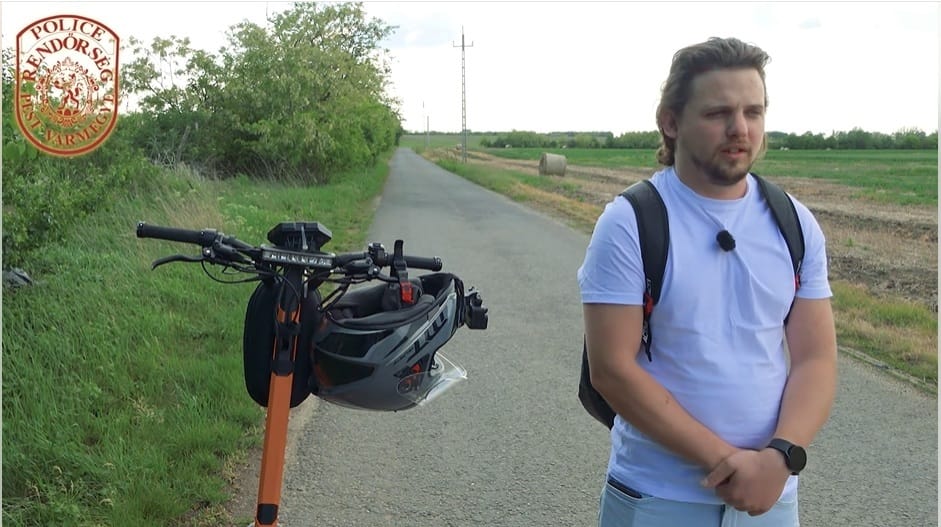
The collision, captured on video, shows the rider cruising along a path before the animal, moving at high velocity, strikes him, resulting in an immediate fall. In a subsequent interview, the rider described the surreal sensation of the impact, noting that he could physically feel the animal against his chest during the encounter.
The Intersection of Micro-Mobility and Wildlife Habitats
While the footage has prompted widespread amusement on social media, the event underscores a growing infrastructure challenge. Százhalombatta, like many towns on the periphery of major European metropolitan areas, is experiencing a shift in transit habits. As residents swap cars for electric scooters to navigate the “last mile” of their commute, they are increasingly entering habitats that were previously the sole domain of local fauna.
The incident serves as a stark reminder that modern transit solutions are being deployed into environments that have not always been engineered for high-speed, silent, small-wheeled vehicles. For those navigating these routes, the risk of collision is not limited to vehicular traffic; it includes the often-unseen movement of wildlife.
“We are seeing a collision of two worlds. Urban planning often treats micro-mobility paths as simple transit lines, failing to account for the ecological corridors that intersect these routes. When you introduce high-speed, silent electric transport into these zones, you create a new class of traffic safety hazards that traditional signage and municipal planning are currently ill-equipped to manage.” — Dr. Arpad Varga, Urban Infrastructure Analyst
Assessing Liability and Personal Safety
When an accident involves a wild animal, the legal and insurance landscape becomes remarkably complex. Unlike a collision involving another motorist or a pedestrian, there is no third party to hold liable for damages, medical bills, or equipment repair. Riders are often left to navigate the aftermath of these incidents alone.

For commuters who rely on personal transport, this creates a significant vulnerability. Individuals involved in transit-related accidents should ensure they have access to robust support systems, including personal injury and insurance advocacy specialists, who can help navigate the nuances of liability when incidents occur on public or municipal paths.
the physical toll of such accidents—even at low speeds—can be significant. The sudden nature of an impact with a hare, which can weigh several kilograms and move at high speeds, can lead to serious soft tissue injuries or fractures. It is imperative that those involved seek immediate medical evaluation, even if they feel fine in the immediate aftermath.
Key Considerations for Micro-Mobility Commuters
- Route Awareness: Be cognizant of routes that traverse or border open fields, forests, or known wildlife corridors, particularly during dawn and dusk.
- Equipment Integrity: Ensure that your scooter’s braking and lighting systems are fully functional, as visibility and reaction time are the primary defenses against unpredictable obstacles.
- Liability Coverage: Review your insurance policies. Many standard homeowner or renter policies do not cover accidents involving personal electric scooters. Consultation with specialized transit liability brokers can provide clarity on coverage gaps.
- Municipal Reporting: If a specific path has become a “hotspot” for wildlife-related incidents, report the location to local city planning departments to request better lighting or hazard signage.
Infrastructure as the Final Frontier
The Százhalombatta incident is not an isolated curiosity; it is a symptom of a broader trend. As municipalities push for greener, more efficient transport, the speed at which infrastructure is updated often lags behind the speed at which residents adopt new technology. Effective urban management requires a holistic approach that integrates ecological awareness with transit design.

Local governments are currently evaluating how to better integrate “wildlife-friendly” design into pedestrian and micro-mobility pathways. This includes the installation of motion-activated lighting and the clearing of overgrown vegetation that provides cover for animals near high-traffic paths. For developers and municipal managers tasked with these upgrades, consulting with accredited civil engineering and environmental consultants is essential to ensuring that new paths do not become danger zones for residents.
the rider’s experience serves as a cautionary tale for the future of urban transit. While the image of a hare toppling a scooter rider may seem comical, the underlying reality is a serious challenge for modern city planners and commuters alike. As we continue to integrate these technologies into our daily lives, we must remain vigilant of the environment around us. Whether it is a mechanical failure or an unexpected encounter with nature, being prepared is the only way to mitigate the risks of the modern commute. For those seeking professional guidance on risk management or legal recourse following transit accidents, connecting with verified experts through the World Today News Directory remains the most reliable path forward.