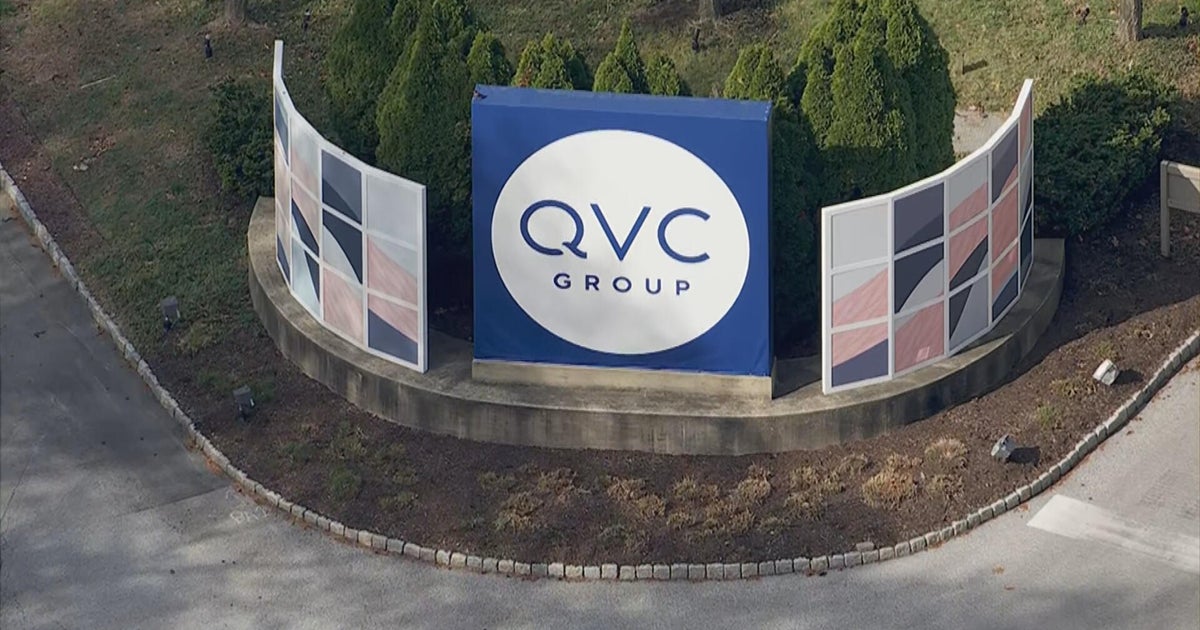
QVC Group to File for Chapter 11 Bankruptcy
QVC Group, headquartered in West Chester, Pennsylvania, announced on April 17, 2026, that it intends to file for Chapter 11 bankruptcy, citing sustained financial headwinds from declining consumer spending, rising interest rates and intensified competition in the home shopping sector. The move, disclosed in its long-awaited annual report, marks a pivotal moment for a company that pioneered televised retail in the 1980s and has since struggled to adapt to digital-first commerce. As one of Chester County’s largest private employers, the filing threatens over 2,000 direct jobs and ripples through regional supply chains, logistics hubs, and local tax bases. For residents and businesses in Southeastern Pennsylvania, this is not merely a corporate restructuring—This proves a test of economic resilience in a post-pandemic, inflation-sensitive landscape where legacy brands face existential pressure to innovate or decline.
The bankruptcy filing, expected to be submitted to the U.S. Bankruptcy Court for the Eastern District of Pennsylvania in Philadelphia, will trigger an automatic stay on creditor actions while QVC seeks to reorganize its $3.2 billion in debt, according to filings referenced in its 10-K. This includes obligations to vendors, real estate leases for its studio facilities in West Chester and distribution centers in Lancaster County, and contractual liabilities with third-party sellers. The company’s struggle reflects broader trends: traditional home shopping networks have lost ground to algorithm-driven platforms like Amazon Live and TikTok Shop, where impulse purchases are micro-targeted and fulfillment is near-instant. QVC’s attempt to pivot to streaming and social commerce has yielded mixed results, with digital sales growing just 4.1% year-over-year in 2025 despite heavy investment in influencer partnerships and app-based interfaces.
The impact on Chester County extends far beyond the corporate campus. When a company of QVC’s scale enters bankruptcy, it strains municipal services—from increased demand for workforce retraining programs at the Chester County Economic Development Council to potential vacancies in commercial real estate that could depress local property tax revenues. We’re preparing for a scenario where ancillary businesses, from cafeteria vendors to office maintenance contractors, face sudden revenue loss.
Geolocally, the effects are already measurable. West Chester Borough, which hosts QVC’s headquarters at 1200 Wilson Drive, derives approximately 8% of its annual business privilege tax revenue from the company, according to 2024 municipal audits. A prolonged bankruptcy process could reduce that contribution by half, pressuring the borough to either cut services or raise taxes on remaining businesses. Nearby, the Lancaster County Commerce Center—where QVC operates a 1.2 million-square-foot fulfillment facility—may see reduced freight volume, impacting trucking firms and warehouse operators along the Route 30 corridor. These are not abstract risks; they are immediate concerns for local officials managing budgets already strained by post-pandemic recovery costs and rising public safety expenditures.
Legal experts note that QVC’s Chapter 11 strategy will likely involve renegotiating long-term leases, potentially rejecting underperforming studio contracts, and seeking court approval to abandon legacy broadcast affiliations in favor of digital-only channels. The success of this reorganization hinges on whether the court and creditors accept a plan that balances debt reduction with meaningful investment in e-commerce infrastructure—a balance few traditional retailers have struck successfully in recent years.
In retail bankruptcies today, the winning plans aren’t just about cutting costs—they’re about proving a viable path to relevance. QVC’s fate will depend on whether it can convince a judge that its brand still holds value in a world where consumers discover products through scrolls, not schedules.
For businesses and professionals navigating this fallout, the directory bridge becomes essential. Affected employees will require access to career transition counselors and workforce development programs to pivot into growing sectors like logistics technology or digital marketing. Local vendors awaiting payment may require bankruptcy claims attorneys to file proofs of claim and protect their interests in the proceedings. Meanwhile, commercial landlords with vacant QVC-adjacent properties could benefit from consulting industrial property specialists to reposition spaces for e-commerce fulfillment or last-mile delivery hubs—turning vacancy into opportunity.
The deeper issue here extends beyond QVC’s balance sheet. It reflects a structural shift in how consumer trust is earned: no longer through the familiarity of a television host, but through algorithmic transparency, rapid fulfillment, and authentic community engagement. Companies that fail to evolve their operational models—not just their storefronts—risk becoming cautionary tales in the annals of American retail. Yet within this disruption lies a call to adapt: for workers to reskill, for entrepreneurs to fill gaps left by retreating giants, and for communities to reinvent their economic identities without relying on legacy anchors.
As the bankruptcy process unfolds over the coming months, the true measure of QVC’s legacy will not be in its ability to emerge from Chapter 11, but in how the region responds—whether it lets vacant buildings turn into symbols of decline, or transforms them into incubators for the next generation of homegrown innovation. For those seeking to understand, assist, or invest in this transition, the World Today News Directory remains a curated gateway to verified professionals who specialize in economic recovery, workforce resilience, and commercial reinvention—because every ending, in commerce as in life, requires a recent beginning guided by expertise.