
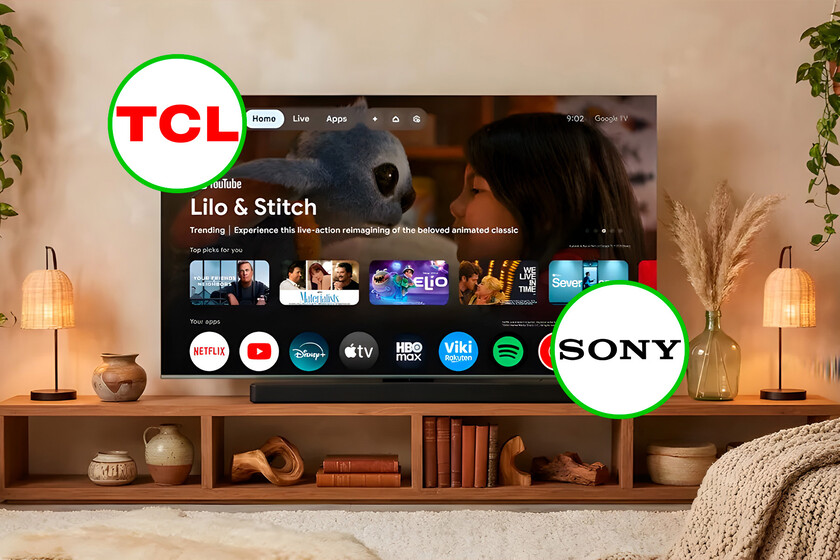
quedarse la mitad del negocio de TV y audio de Sony
In a definitive strategic pivot announced March 31, 2026, TCL Technology has secured a controlling 51% stake in a novel joint venture encompassing Sony’s global television and audio divisions. Valued at approximately 102.8 billion yen ($650 million), this transaction transfers majority operational control and the critical Sony EMCS Malaysia manufacturing hub to the Chinese conglomerate. While Sony retains a 49% minority interest to preserve brand licensing revenue, the move signals a retreat from capital-intensive hardware manufacturing in favor of a leaner, IP-focused asset model.
The writing has been on the wall for the Japanese electronics giant. For years, the television hardware sector has suffered from brutal margin compression, trapped between rising panel costs and a race to the bottom on consumer pricing. By offloading the heavy lifting of fabrication and logistics to TCL, Sony effectively swaps volatile hardware EBITDA for stable, high-margin licensing fees. This represents not merely a partnership; it is a calculated exit from the factory floor.
Under the terms of the agreement, the new entity—currently unnamed but destined to carry the legacy “Sony” and “BRAVIA” badges—will assume full responsibility for R&D, production, and global distribution. The scope is comprehensive, covering consumer televisions, B2B display solutions, projectors, and home audio systems. Crucially, the deal includes the total transfer of Sony’s Malaysian manufacturing facility, the linchpin of their current supply chain. Operations are slated to migrate fully by April 2027, pending regulatory clearance.
For Sony, this is a balance sheet cleansing exercise. The consumer electronics hardware market demands relentless capital expenditure (CapEx) to preserve pace with panel technology refresh cycles. By ceding majority control to TCL, Sony reduces its exposure to supply chain volatility and inventory write-downs. However, this creates a complex web of intellectual property dependencies. Managing the licensing of the BRAVIA brand while TCL controls the physical product requires meticulous legal architecture. Corporations navigating similar divestitures often engage specialized IP licensing and corporate law firms to ensure brand equity isn’t diluted by lower-tier manufacturing standards.
The market reaction underscores the shift in power dynamics. TCL, once viewed strictly as a value-brand manufacturer, has aggressively moved upmarket. Acquiring the BRAVIA supply chain grants them immediate access to Sony’s premium image processing algorithms and colorimetry patents. This vertical integration allows TCL to command higher price points while leveraging their existing scale to drive down unit costs. It is a classic arbitrage play: TCL buys the brand prestige; Sony buys financial stability.
“We are witnessing the end of the integrated electronics manufacturer model for legacy Japanese firms. Sony is effectively becoming a design house and licensor, outsourcing the gritty reality of mass production to partners who can execute at scale. The risk lies in quality control; if TCL falters, the Sony brand takes the hit, not the balance sheet.”
— Marcus Thorne, Senior Analyst at Horizon Global Markets
The transition period presents significant logistical hurdles. Moving the entirety of Sony’s TV production to a TCL-controlled entity involves harmonizing disparate ERP systems, labor contracts, and quality assurance protocols. The transfer of the Malaysia plant is particularly sensitive. Any disruption in output during the 2026-2027 handover could lead to stockouts during critical holiday sales windows. To mitigate these operational risks, multinational entities often rely on global supply chain management consultants to oversee the migration of manufacturing assets without breaking the flow of goods to retail partners.
Investors should note what is excluded from this deal. Sony’s high-margin “Personal Entertainment” division, including noise-canceling headphones and the PlayStation gaming ecosystem, remains wholly owned. This segmentation highlights Sony’s broader strategy: retreat from commoditized screens, double down on immersive audio and interactive entertainment where margins remain robust. The television is becoming a dumb pipe; the value is shifting to the content and the accessories surrounding it.
Yet, the branding question remains the elephant in the boardroom. The press release asserts that products will continue to bear the Sony name to “create new value for the customer.” But in the eyes of the consumer, a Sony TV built on a TCL line is a different product than one built in a Sony factory. Brand dilution is a silent killer in the luxury electronics segment. If the perceived quality gap widens, the licensing fees Sony collects may not offset the long-term erosion of brand prestige. This necessitates rigorous brand strategy and reputation management to maintain the premium positioning of the BRAVIA line under new ownership.
Looking ahead to fiscal year 2027, the success of this joint venture will depend on TCL’s ability to maintain Sony’s rigorous quality standards while injecting their own cost efficiencies. For Sony, the bet is that the market cares more about the logo on the bezel than the factory code on the back panel. For TCL, it is an opportunity to graduate from a volume player to a premium contender. The deal closes the chapter on Sony as a manufacturer and opens a new era of Sony as a licensor.
As consolidation accelerates across the consumer electronics sector, mid-market competitors are scrambling to secure similar defensive alliances. The window for independent hardware manufacturing is closing. Businesses looking to navigate this shifting landscape must partner with vetted experts who understand the nuances of cross-border joint ventures. Explore the World Today News Directory to connect with top-tier M&A advisory firms and strategic partners capable of executing complex global restructurings.