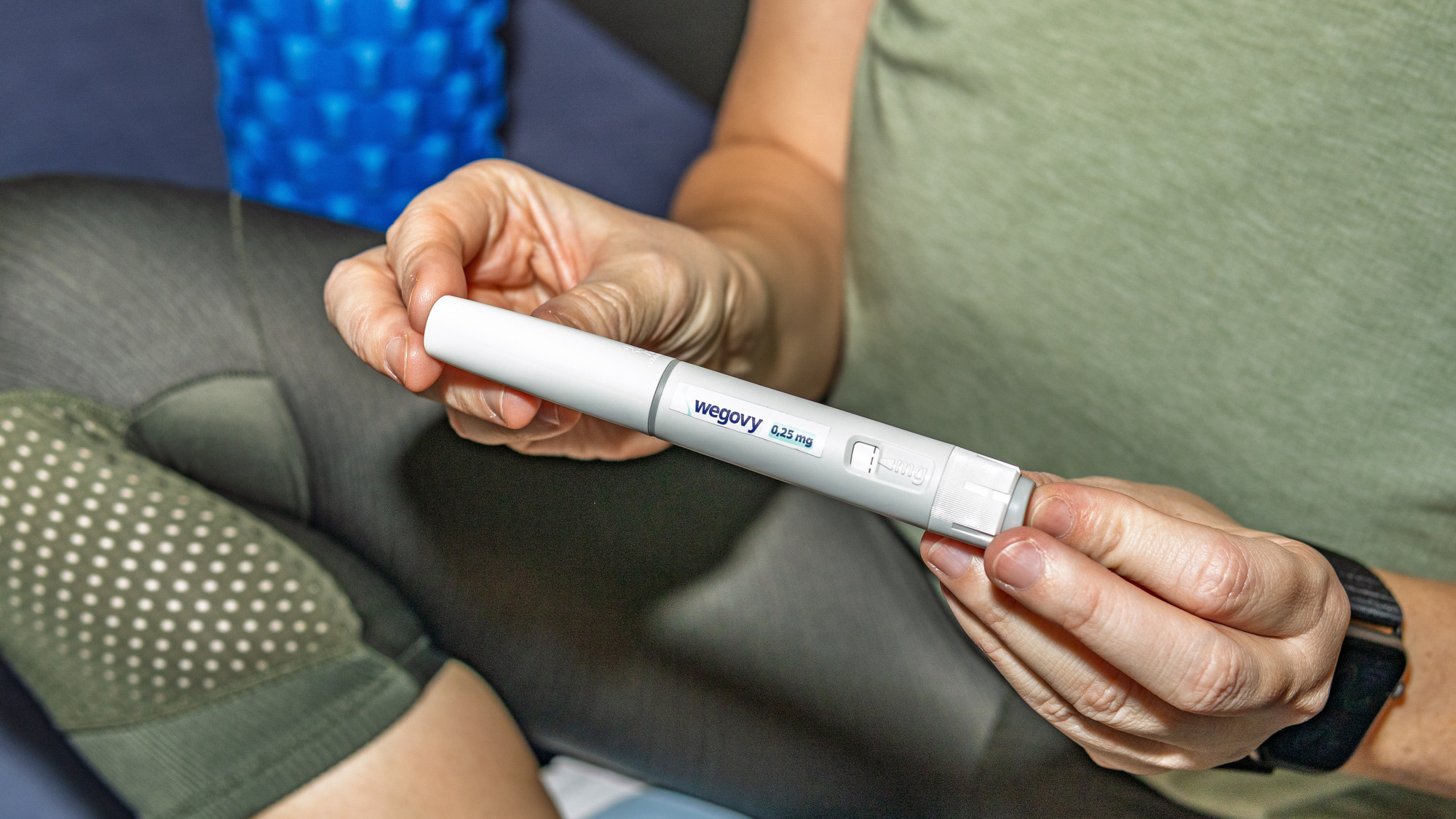
Quebec Refuses to Reimburse Wegovy Weight Loss Drug
In April 2026, Quebec’s public drug insurance plan (RAMQ) declined to cover semaglutide 2.4 mg (Wegovy) for chronic weight management, citing an unfavorable cost-benefit ratio despite its proven efficacy in reducing obesity-related morbidity. This decision follows a growing trend among Canadian provincial formularies scrutinizing the long-term value of glucagon-like peptide-1 (GLP-1) receptor agonists amid rising healthcare expenditures. While Wegovy demonstrated up to 15% average body weight loss in Phase III trials, its annual list price exceeding CAD $1,500 has triggered intense debate over access equity and sustainable prescribing practices for a condition affecting over 26% of Canadian adults.
Key Clinical Takeaways:
- Wegovy’s STEP 1 trial showed 14.9% mean weight reduction at 68 weeks versus 2.4% with placebo (N=1,961), establishing robust efficacy for BMI ≥30 or ≥27 with comorbidities.
- Quebec’s non-coverage stems from ICER’s 2023 cost-effectiveness threshold of CAD $50,000/QALY, which Wegovy exceeded at CAD $112,000/QALY in real-world modeling.
- Patients denied public coverage face out-of-pocket costs that may exacerbate health disparities, particularly among low-income populations with highest obesity prevalence.
The therapeutic mechanism of semaglutide involves prolonged activation of GLP-1 receptors in the hypothalamus, suppressing appetite via enhanced satiety signaling and delayed gastric emptying. Unlike earlier anti-obesity agents withdrawn for cardiovascular safety concerns (e.g., sibutramine), semaglutide demonstrated reduced risk of major adverse cardiac events in the SELECT trial (N=17,604), reinforcing its dual role in weight and cardiometabolic risk mitigation. However, gastrointestinal adverse events—nausea, vomiting, diarrhea—occur in up to 74% of users, frequently leading to discontinuation; real-world adherence rates at one year remain below 50% in observational studies.
Funding for the pivotal STEP program originated exclusively from Novo Nordisk, which invested over USD $2 billion in global Phase III development. Transparency regarding this industry sponsorship is critical, as meta-analyses reveal industry-funded obesity trials report 1.3 times greater weight loss estimates than independently funded studies. The primary evidence supporting Wegovy’s approval derives from the STEP 1 trial published in The New England Journal of Medicine (2021), a double-blind, placebo-controlled study across 129 sites in 16 countries. Independent validation comes from the SUSTAIN-FORTE trial (JAMA, 2021), which confirmed semaglutide’s superiority over dulaglutide in glycemic control and weight reduction among type 2 diabetes patients.
Quebec’s stance reflects broader pharmacoeconomic tensions: the Institut national d’excellence en santé et en services sociaux (INESSS) determined that budget impact analysis projected CAD $340 million annually if 20% of eligible Quebecers accessed Wegovy via RAMQ. This fiscal concern echoes Ontario’s 2023 decision to restrict coverage to patients with diabetes, highlighting a provincial shift toward indication-specific reimbursement. Critics argue such thresholds neglect obesity’s status as a chronic disease per the Canadian Medical Association’s 2020 declaration, potentially delaying intervention until complications like type 2 diabetes or osteoarthritis manifest—conditions far costlier to treat than early weight management.
“When we deny access to evidence-based therapies for obesity based solely on upfront cost, we ignore the downstream savings from prevented hypertension, sleep apnea and joint replacement surgeries. Wegovy isn’t a cosmetic drug—it’s disease-modifying.”
— Dr. Émilie Bouchard, MD, FRCPC, Director of the Montreal General Hospital Metabolic Health Unit
For patients navigating coverage gaps, timely consultation with specialists experienced in obesity medicine is essential. Endocrinologists and bariatric physicians can assess eligibility for alternative therapies, assist with manufacturer patient support programs, or identify clinical trials offering investigational agents at reduced cost. Individuals seeking vetted care should consider connecting with board-certified endocrinologists or accredited weight management centers within the World Today News Directory to explore personalized, evidence-driven strategies.
From a systems perspective, pharmaceutical distributors and healthcare administrators must adapt to evolving formulary landscapes. The shift toward outcomes-based contracting—where payment correlates with real-world weight loss maintenance or comorbidity reduction—requires robust data infrastructure and legal expertise. Organizations aiming to comply with Quebec’s Loi 25 on health data privacy while negotiating value-based agreements would benefit from engaging healthcare compliance attorneys specializing in pharmaceutical market access.
The editorial trajectory of obesity pharmacotherapy points toward combination therapies targeting multiple appetite-regulating pathways (e.g., GLP-1/GIP dual agonists like tirzepatide), which in Phase III trials surpassed 20% weight loss. Yet without equitable access frameworks, innovations risk widening the chasm between clinical promise and population health impact. As real-world evidence accumulates, revisiting cost-effectiveness models to incorporate societal productivity gains and reduced caregiver burden may prove pivotal in aligning reimbursement with long-term value.
*Disclaimer: The information provided in this article is for educational and scientific communication purposes only and does not constitute medical advice. Always consult with a qualified healthcare provider regarding any medical condition, diagnosis, or treatment plan.*