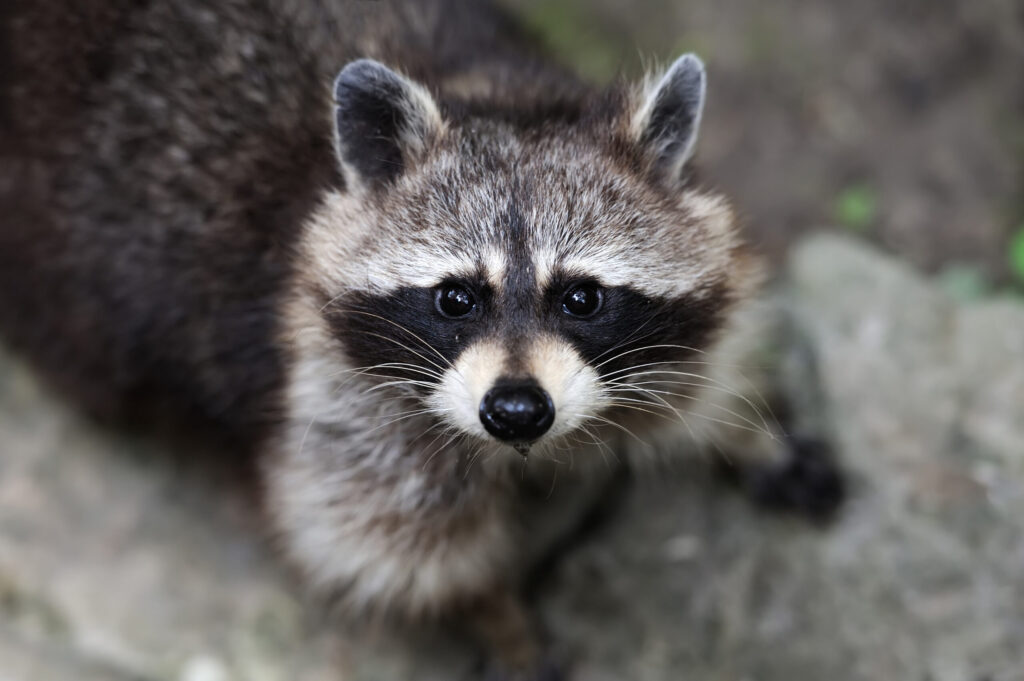
Quebec Extends Transport Ban on Multiple Species to Fight Raccoon Rabies
Quebec health authorities have extended a ban on transporting live raccoons, striped skunks, gray and red foxes, and coyotes and their hybrids through municipalities surrounding raccoon rabies cases until December 6, 2026, to prevent the viral pathogen from establishing deeper roots in the province’s wildlife population.
- The Quebec Ministry of the Environment, the Fight Against Climate Change, Wildlife and Parks extended the live animal transport prohibition to shield public and wildlife health.
- Nine additional municipalities in the Centre-du-Québec region—including Grand-Saint-Esprit, Nicolet, Sainte-Monique, and Saint-Léonard-d’Aston—fall under the restriction starting October 7.
- Anyone bitten, scratched, or exposed to animal saliva must wash the wound with soap and water for 10 to 15 minutes and immediately contact Info-Santé 811 for the appropriate medical follow-up.
Ministerial Order Extends Animal Transport Ban
The regulatory extension stems from an ongoing viral resurgence that began in December 2024, representing the first reemergence of raccoon rabies in the province since 2015. Officials emphasize that moving nuisance, injured, or seemingly orphaned wildlife accelerates viral dissemination into previously unaffected areas. Because infected animals can harbor the virus asymptomatically for weeks or months before manifesting clinical signs, the ministerial decree explicitly prohibits the rehabilitation of illegally transported vector species.
Surveillance data compiled between December 2024 and September 23, 2026, confirms 347 total cases of raccoon rabies across Quebec. While the initial re-emergence appeared in Estrie in December 2024, followed by a secondary focus in Stanstead in August 2025, the geographic footprint expanded significantly through 2026. Coverage currently spans 224 municipalities distributed among Estrie, Montérégie, and Centre-du-Québec, with active control operations targeting 114 of those local jurisdictions.

Government Drops Vaccine Baits Across Rural Terrain
To suppress viral replication cycles within wild reservoirs, the provincial government executed an oral vaccination campaign between August 3 and September 13, 2026. Helicopters dropped approximately 815,000 vaccine-laced baits across 5,500 square kilometers of rural terrain, while teams distributed additional doses manually in populated sectors of the Richelieu Valley. Secondary drops later in September deployed another 440,000 baits across 62 municipalities, encompassing 29 in Estrie, 22 in Montérégie, and 11 in Centre-du-Québec.
Recent diagnostic testing confirms the expanding perimeter of infection. A confirmed raccoon rabies case involving an infected skunk was noted in Granby. Concurrently, infected raccoons were recovered in Hatley and Austin, alongside an infected skunk in Granby and cases in the region of Magog.
Authorities Outline Clinical Criteria for Rabies Infection
Medical authorities outline specific clinical criteria to identify potential rabies infection in wildlife, including daytime activity in nocturnal species, uncoordinated motor function, excessive salivation, unprovoked aggression, and a total lack of fear toward humans. Residents encountering animals exhibiting these neurological symptoms are instructed to report them directly to provincial wildlife lines. If preventative and dissuasive measures fail to deter nuisance wildlife on private property, the ministerial framework permits the animal to be killed without a permit outside standard hunting and trapping seasons.
For human exposures involving bites, scratches, or contact with suspected saliva, immediate decontamination remains the primary defense. Clinical guidelines require vigorous washing of the affected tissue with soap and water for 10 to 15 minutes, followed by prompt consultation with Info-Santé 811 to determine the appropriate medical follow-up. Domestic animals exposed to wildlife vectors must also have their owner’s contact information noted so the owner can evaluate the risk of the animal carrying rabies.

Disclaimer: The information provided in this article is for educational and scientific communication purposes only and does not constitute medical advice. Always consult with a qualified healthcare provider regarding any medical condition, diagnosis, or treatment plan.