

Qatar Warns of Uncontrollable Escalation in Middle East Conflict
Qatar has warned that the Middle East conflict is nearing an uncontrollable tipping point. Following Iranian missile and drone strikes on Doha, Kuwait, and the UAE—retaliations for US-Israeli attacks—regional stability is collapsing, threatening global energy supplies, violating sovereign airspaces, and forcing a massive relocation of commercial aviation assets.
This is no longer a contained series of tit-for-tat reprisals. We are witnessing a systemic failure of regional deterrence. When a diplomatic hub like Doha sees smoke in its skies and a global carrier like Qatar Airways is forced to seek sanctuary in the Spanish countryside, the “red lines” have not just been crossed—they have been erased.
The macro-economic fallout is immediate. The surge in kerosene prices is already triggering mass flight cancellations, while the potential closure of the Strait of Hormuz threatens to paralyze global oil shipments. For multinational corporations, this isn’t just a geopolitical headline; it is a logistical crisis. Firms are now urgently onboarding geopolitical risk consultants to map out evacuation contingencies and asset protection strategies as the conflict expands.
The Doha Leverage: Pressuring the Axis of Resistance
Qatar is playing a dangerous, high-stakes game of diplomatic arbitrage. While its own territory has been targeted by Iranian missiles, Doha is using its financial and political leverage to prevent a total regional meltdown.
The most striking example of this “soft power” coercion is Qatar’s relationship with Hamas. Despite Hamas’s alignment with the Iranian-led “axis of resistance,” the movement has taken the anomalous step of calling on Tehran to spare the Gulf states.
This was not a gesture of goodwill. It was a survival tactic.
Israeli intelligence indicates that Hamas acted under “explicit pressure” from Qatar. The ultimatum was stark: publicly condemn Iranian attacks on the Gulf, or face the suspension of financial aid and the immediate expulsion of senior Hamas leadership from Doha. By weaponizing its role as a host and financier, Qatar is attempting to create a firewall between the Iranian regime and its regional proxies.
Still, this leverage is fraying. As the conflict escalates, the ability of any single mediator to restrain an Iranian military emboldened by perceived strategic victories is diminishing.
Trump’s Ultimatum and the Iranian Counter-Strike
The volatility is further compounded by the aggressive rhetoric emanating from Washington. Donald Trump has shifted from deterrence to a posture of existential threat, issuing an ultimatum to Tehran that has sent shockwaves through diplomatic circles.
“Any entire civilization will die tonight.”
This rhetoric coincides with reports of precision strikes against Kharg Island, a location described as central to Iran’s strategic operations. The objective is clear: cripple the Iranian state’s ability to project power and sustain its economy.
Tehran has responded by treating the entire region as a combat zone. Iranian drones have violated the airspace of multiple Arab nations, prompting a formal condemnation from the International Civil Aviation Organization (ICAO). The violation of sovereign air corridors creates an immediate legal and security nightmare for international carriers.
Aviation firms are now scrambling to navigate these “no-fly” realities, necessitating the expertise of international aviation legal specialists to handle the complex liability and insurance claims arising from forced diversions and airspace violations.
The Logistics of Collapse: From Teruel to Hormuz
The physical manifestation of this instability is most evident in the displacement of assets. Dozens of Qatar Airways aircraft have found refuge at the Teruel airport in Spain, effectively immobilizing a portion of the fleet to protect it from potential strikes or seizure within the conflict zone.
This is a symptom of a larger logistical hemorrhage. The spike in kerosene prices is not a mere market fluctuation; it is a war premium. Airlines are deleting thousands of flights, not because of a lack of demand, but because the cost of fuel and the risk of airspace penetration have become unsustainable.
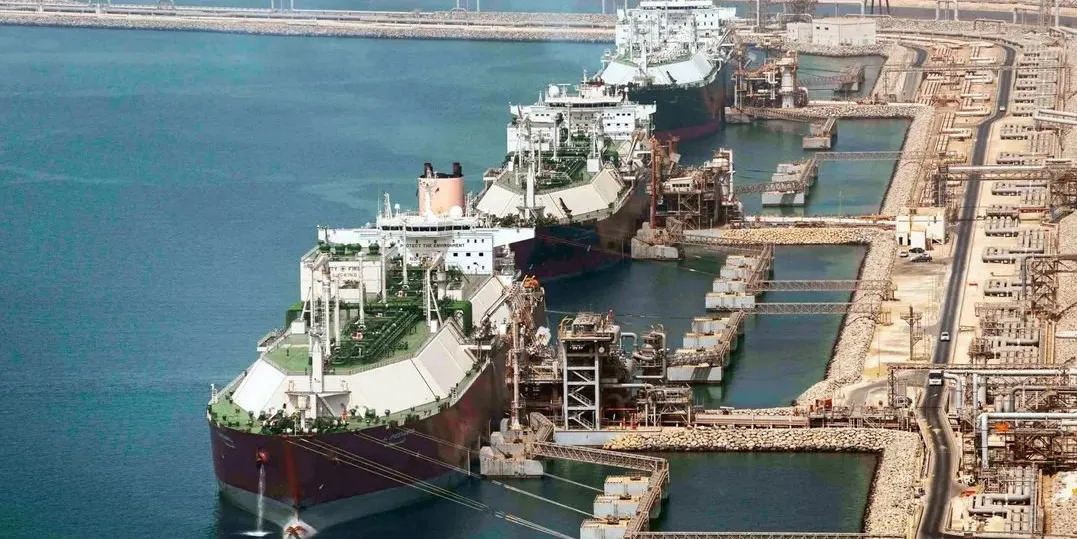
The focus now shifts to the Strait of Hormuz. A vote is expected at the UN Security Council to attempt to unblock the strait, the world’s most critical oil chokepoint. If the UN fails, the global economy faces a supply-side shock that no amount of central bank intervention can mitigate.
Companies reliant on “just-in-time” deliveries are finding their models obsolete. To survive this volatility, global importers are turning to supply chain security firms to diversify their transit routes and hedge against the total closure of Gulf shipping lanes.
The Diplomatic Deadlock
While Qatar’s Prime Minister continues to meet with regional partners, such as the Vice-Premier of Jordan, the gap between diplomacy and reality is widening.
General Philippe Sidos, former head of the UNIFIL liaison office, suggests that the conflict has “passed another stage,” implying that previous diplomatic frameworks are now irrelevant. Even within Iran, the internal dynamics are shifting. Delphine Minoui of Le Figaro notes that for many Iranians, the value of the “homeland and nation” may eventually outweigh their support for the regime, though this internal friction has yet to translate into a ceasefire.
The Israeli military has even begun issuing security warnings directly to Iranian citizens, advising them to avoid train travel—a psychological operation designed to signal that no part of Iranian infrastructure is off-limits.
The Middle East is no longer in a state of “tension”; it is in a state of active reconfiguration. The classic guard of regional diplomacy—based on secret channels and financial incentives—is being crushed by the weight of direct military confrontation and existential ultimatums.
For the global corporate community, the lesson is clear: regional stability in the Gulf was a luxury, not a guarantee. As the chessboard shifts, the only viable strategy is aggressive diversification and the procurement of elite professional guidance. Whether it is securing aircraft in Spain or restructuring trade routes around a blocked Hormuz, the winners of this crisis will be those who have already integrated the necessary legal, financial, and security partners from the World Today News Directory into their operational DNA.