
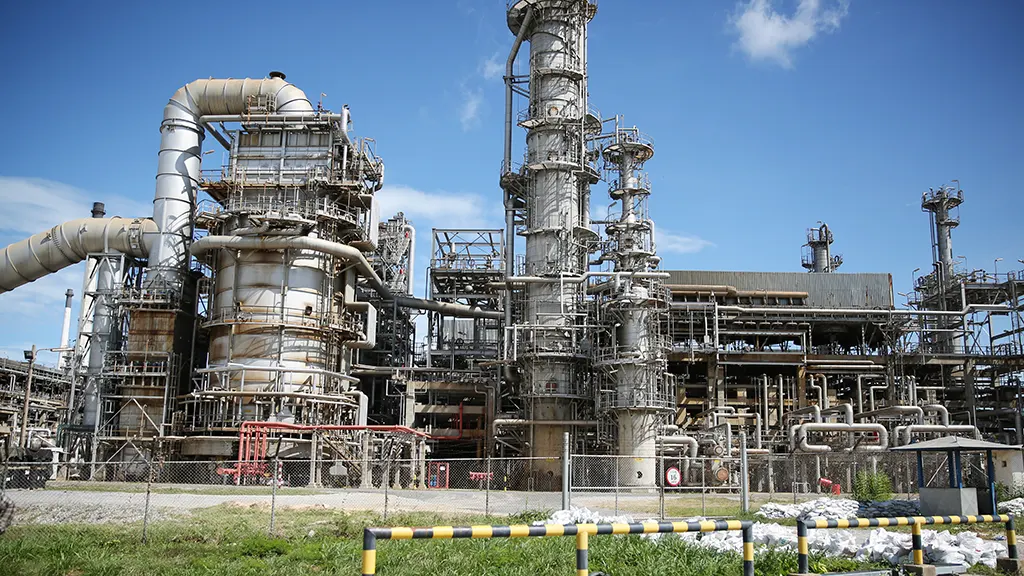
Qatar Energy Outlook: Global Impact of Gas and Helium Production
Qatar’s Ras Laffan Industrial City, the world’s premier LNG and helium hub, faces a critical production shutdown following Iranian missile strikes in March 2026. Controlling 35% of global helium supply, the outage disrupts semiconductor, medical and aerospace sectors, triggering a global energy crisis and severe supply chain volatility.
The sudden evaporation of supply from Ras Laffan is not merely a regional disruption; it is a fiscal hemorrhage for high-precision industries worldwide. When QatarEnergy declared force majeure on March 2, 2026, the global market for rare gases shifted from a stable procurement model to a desperate scramble for remaining inventories. For B2B enterprises, this represents a catastrophic failure of “just-in-time” logistics, forcing a pivot toward expensive, spot-market acquisitions and urgent consultations with supply chain management firms to mitigate total production halts.
The Strategic Architecture of Ras Laffan
Located 80 kilometers north of Doha, Ras Laffan is the operational heart of the North Field, the largest non-associated natural gas field on the planet. This facility is the primary terrestrial base for processing gas that serves as a geographical extension of Iran’s South Pars field. The scale is staggering: a total Qatari production capacity of approximately 77 million tons of liquefied natural gas (LNG) annually.
The complex is a network of industrial giants. QatarEnergy LNG S3 (formerly Ras Laffan 3), established in 2005, operates two massive lines with a capacity of 7.8 million tons each, pumping 2.1 billion cubic feet per day. Other critical assets include the N1 project, producing 10 million tons annually, alongside the N2 project and integrated refineries producing aircraft fuel and condensate derivatives.
The facility’s most specialized asset, however, is its helium extraction capability. Through the “Helium 1” and “Helium 2” plants, Qatar has spent over a decade cementing its position as a dominant global force, providing roughly 35% of the world’s helium. Because helium is a byproduct of natural gas processing, the shutdown of LNG production effectively kills the helium pipeline.
The March Escalation and Fiscal Fallout
The stability of the global energy market fractured on March 18, 2026. Iranian missile strikes targeted Ras Laffan in two separate waves within a 12-hour window, causing severe fires and extensive structural damage. This aggression followed a similar strike on the South Pars field in Iran, signaling a shift in regional conflict toward the direct targeting of energy infrastructure.
The timing of the physical attacks compounded an already precarious situation. QatarEnergy had already ceased LNG and petrochemical production—including helium, urea, and methanol—on March 2, 2026, citing the broader Iranian aggression. The declaration of force majeure effectively voided existing delivery contracts, leaving global buyers without legal recourse for immediate fulfillment. Companies facing these breached contracts are now relying on corporate law firms to navigate the complexities of international trade law and insurance claims for business interruption.
Market volatility spiked instantly. The loss of a third of the world’s helium supply creates a vacuum that cannot be filled by existing reserves.
Macroeconomic Ripples: The Three-Pronged Crisis
The disruption at Ras Laffan triggers a cascade of failures across three high-value industrial sectors, each facing unique fiscal pressures:
- Semiconductor and Electronics Manufacturing: Helium is indispensable for the cooling processes required to manufacture high-end microchips. With the supply chain severed, chip fabrication plants (fabs) face increased operational costs and potential yield drops. This creates a bottleneck that ripples through the entire consumer electronics and automotive sectors.
- Medical Infrastructure and Diagnostics: The healthcare sector is reeling from the loss of helium used in the cryogenic cooling of Magnetic Resonance Imaging (MRI) machines. Without a steady supply, the cost of maintaining these machines skyrockets, potentially reducing the availability of critical diagnostic services globally.
- Aerospace and Defense: From rocket propulsion to specialized leak detection in high-pressure systems, the aerospace industry relies on the purity and properties of Qatari helium. The current shortage threatens launch schedules and defense procurement timelines.
This is a classic case of geographic over-reliance. The concentration of 35% of a critical resource in a single industrial zone makes the global tech economy a hostage to regional geopolitical volatility.
The Recovery Horizon
Projecting the return to baseline production is a point of contention among analysts. Some industry forecasts suggest that production capacity could return to normal levels within 12 to 18 months once the conflict subsides and repairs are completed. However, the International Monetary Fund (IMF) offers a more sobering perspective, predicting that the Ras Laffan complex may take up to five years to fully regain its previous production capacity.
The disparity in these timelines creates a dangerous uncertainty for long-term capital expenditure (Capex) planning. Firms can no longer assume a return to “normal” pricing in the next fiscal year. This uncertainty is driving a surge in demand for energy strategic advisors as companies seek to diversify their sourcing and invest in helium recovery technologies to reduce dependence on a single sovereign supplier.
The financial impact extends beyond the immediate loss of revenue from helium and LNG. The damage to the “Qatar brand” as a reliable, neutral energy provider may lead to a permanent shift in how long-term supply agreements are structured, with a latest premium placed on “geopolitical resilience” over “lowest cost.”
As the global market adjusts to a post-Ras Laffan reality, the winners will be the firms that can pivot their supply chains with agility. The current crisis proves that in the modern economy, a missile strike in the Persian Gulf is a direct hit to the balance sheets of medical providers in London and chip designers in Silicon Valley. Finding vetted, resilient B2B partners is no longer a luxury—it is a survival strategy. For those seeking the expertise to navigate this volatility, the World Today News Directory remains the definitive resource for connecting with global industry leaders.