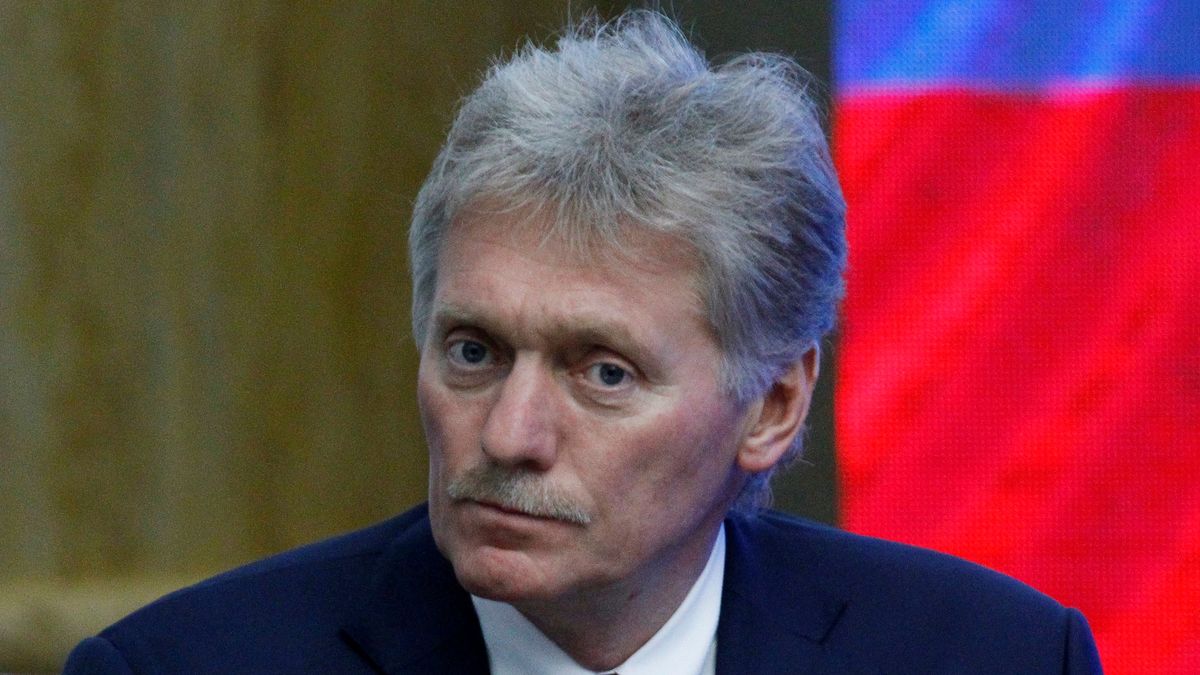
Putin’s Shifting Rhetoric and Military Objectives in the Russia-Ukraine War
The Kremlin has officially transitioned its terminology regarding the invasion of Ukraine, with Dmitry Peskov declaring that Russia is now in a state of war, rather than conducting a “special military operation.” This shift signals an escalation in domestic mobilization and long-term military commitment to the occupation of Donbas and Novorossiya.
The Shift from Operation to Total War
The semantic pivot by the Kremlin marks the end of a period where the state attempted to insulate the Russian public from the full economic and social realities of a high-intensity conflict. By moving to the designation of “war,” the Russian government is signaling to both domestic and international audiences that the conflict has entered an open-ended phase of total resource mobilization.
According to reports from Novinky, the change in rhetoric is accompanied by a hardening of territorial objectives. Russian leadership has defined the “complete liberation” of the Donbas and Novorossiya regions as the primary mission of the armed forces. This definition effectively codifies the annexation of these territories as non-negotiable, precluding any near-term diplomatic resolution that involves a return to pre-2022 borders.
Operational Disconnects and Battlefield Realities
While the political rhetoric in Moscow has hardened, there are signs of increasing friction between high-level policy and front-line military performance. Reporting from TN.cz suggests that Vladimir Putin has faced criticism for demonstrating a disconnect from the tactical realities on the ground, specifically citing instances where the leadership described battles that did not occur in the manner reported.

This gap in operational intelligence creates significant risks for multinational firms operating in the Eurasian theater. When the command structure is perceived as misaligned with ground-level logistics, the predictability of supply chain disruptions and regional security risks diminishes. For companies attempting to manage assets in or near conflict zones, this environment mandates engagement with Global Risk Intelligence Consultancies to stress-test their operational resilience against sudden shifts in local military policy.
The Diplomatic “Iran-US” Linkage
In a recent public statement, Vladimir Putin indicated that future negotiations regarding Ukraine are contingent upon the United States resolving its strategic concerns regarding Iran. This “linkage strategy” is a hallmark of current Russian foreign policy, which seeks to tie the resolution of the war in Ukraine to broader global security architectures.

By shifting the focus to Iran, Moscow is attempting to force a multi-theater negotiation that includes the U.S. and its regional allies. This strategy complicates the work of International Trade Law Firms, as the overlapping sanctions regimes and geopolitical dependencies make it increasingly difficult for firms to maintain compliance while navigating shifting cross-border restrictions.
Macro-Economic Implications for Global Firms
The formalization of the “war” status is not merely a domestic political move; it is a signal for the further militarization of the Russian economy. As the Kremlin redirects capital toward defense, the availability of resources for non-military sectors will contract. For global corporations, this creates an urgent need to re-evaluate their exposure to the Russian market and its satellite entities.
The instability caused by this rhetoric has immediate consequences for the movement of goods and capital. When state-level actors adopt a “total war” posture, they often reserve the right to seize foreign-owned assets under the guise of national security. Corporations with lingering physical or intellectual property in these regions are increasingly turning to International Asset Protection Specialists to mitigate the risk of state expropriation.
Strategic Outlook: The Long-Term Conflict
The transition from a “special operation” to an explicit state of war suggests that Russia is preparing for a multi-year conflict cycle. This has profound implications for the global commodities market, particularly regarding energy and grain security.
The shifting alliances and the explicit refusal to engage in negotiations until specific US-Iran conditions are met indicate that the current geopolitical stalemate will persist. For stakeholders, this means that “business as usual” is no longer a viable strategy in the Eurasian corridor. The volatility of the current environment requires a robust, proactive approach to risk management, as the legal and financial frameworks governing international commerce continue to fracture along ideological lines.
As the geopolitical chessboard shifts, the ability to anticipate these moves is the difference between organizational survival and catastrophic loss. Whether your firm is restructuring its international supply lines to bypass sanctioned corridors or seeking counsel on the complex legalities of cross-border asset management during a state of declared war, the complexity of the current climate demands expert intervention. Engage with our curated network of Global Geopolitical Risk Consultants to ensure your firm remains resilient amid the ongoing transformation of the global order.