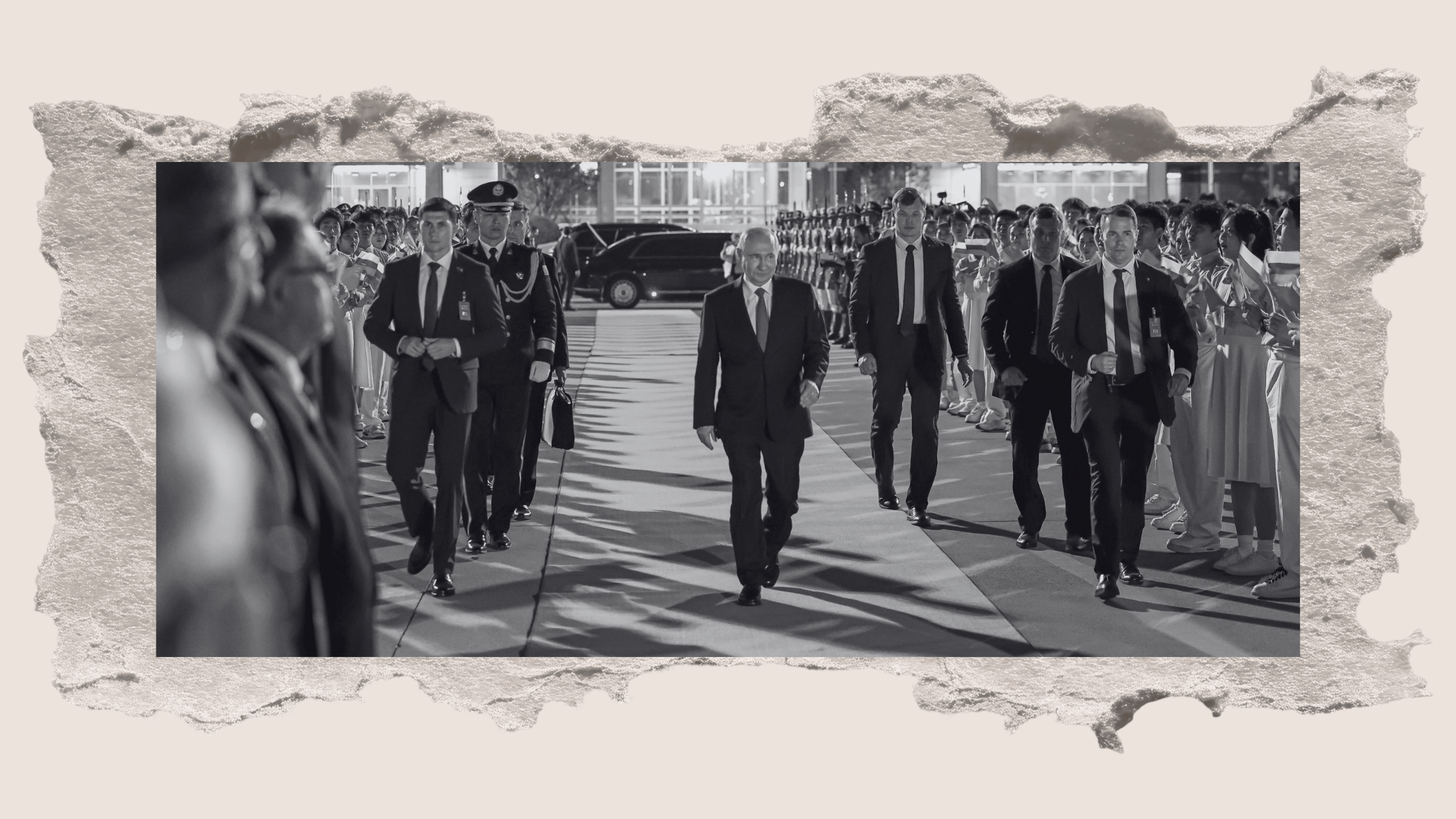
Putin’s Fortified Power: How Russia’s Oil Windfall Is Fuelling Authoritarian Ambitions
Vladimir Putin’s recent visit to Beijing, bolstered by the Iran war’s oil windfall, underscores his strategic pivot toward a multipolar world, even as Russia’s domestic turmoil deepens.
The China-Russia Axis and the Oil Windfall
On May 20, 2026, Chinese President Xi Jinping and Russian President Vladimir Putin signed 20 agreements on technology and trade, cementing a partnership that bypasses Western sanctions. The deal, centered on boosting Russian oil exports to China, comes as Moscow navigates economic strain exacerbated by the war in Ukraine. With the U.S.-led conflict in Iran driving oil prices to $100 per barrel, Putin has capitalized on the crisis, securing a lifeline for his war machine. “The closure of the Strait of Hormuz has sparked new demand for Putin’s oil,” noted a 2026 analysis, as China and India compete for Russian crude. This shift aligns with Putin’s long-standing vision of a multipolar order, a concept he first championed in a 2007 Munich speech criticizing Western hegemony.

Domestic Crises and Economic Resilience
Russia’s economic fortunes took a sharp turn in early 2026, with the government raising taxes and small businesses reporting a 75% funding shortfall. Yet the Iran war’s ripple effects reversed this trajectory. By February 2026, Russian oil prices surged from $44 to $100 per barrel, providing a much-needed revenue boost. This windfall has enabled Putin to stabilize his regime, despite widespread public discontent. A Levada Center poll revealed 67% of Russians support peace negotiations, while 29% trust Putin to lead the country—a stark reflection of eroding legitimacy.
“The best people fear the meat grinder,” said Svetlana Gannushkina, an 88-year-old human rights defender, referencing the war in Ukraine. Her warning underscores the growing fear of conscription and repression, as the FSB intensifies surveillance of dissenters.
The Geopolitical Chessboard
Putin’s pivot to China is not merely economic but strategic. The two nations’ partnership challenges U.S. Influence, with Beijing positioning itself as a counterweight to Western dominance. This alignment is evident in the Arctic, where Russia’s oil reserves and China’s infrastructure investments intersect. The 2026 visit also highlighted shared antipathy toward NATO, with Xi urging a “complete cessation of hostilities” in the Iran conflict.
However, this strategy risks entrenching Russia’s isolation. The European Union’s threat to ban Russian oil looms large, while domestic unrest persists. “You are lied to,” said Russian blogger Viktoria Bonya, accusing Putin’s inner circle of shielding him from reality. Her viral video, viewed by 30 million Russians, symbolizes the growing divide between the regime and its citizens.
Expert Insights and Regional Impacts
“Putin’s reliance on oil revenues is a double-edged sword,” said Dr. Elena Markova, a Moscow-based economist. “While it cushions the economy, it deepens dependency on volatile global markets.” This dynamic is felt acutely in Siberia, where oil