Putin Says Ukraine War is Coming to an End
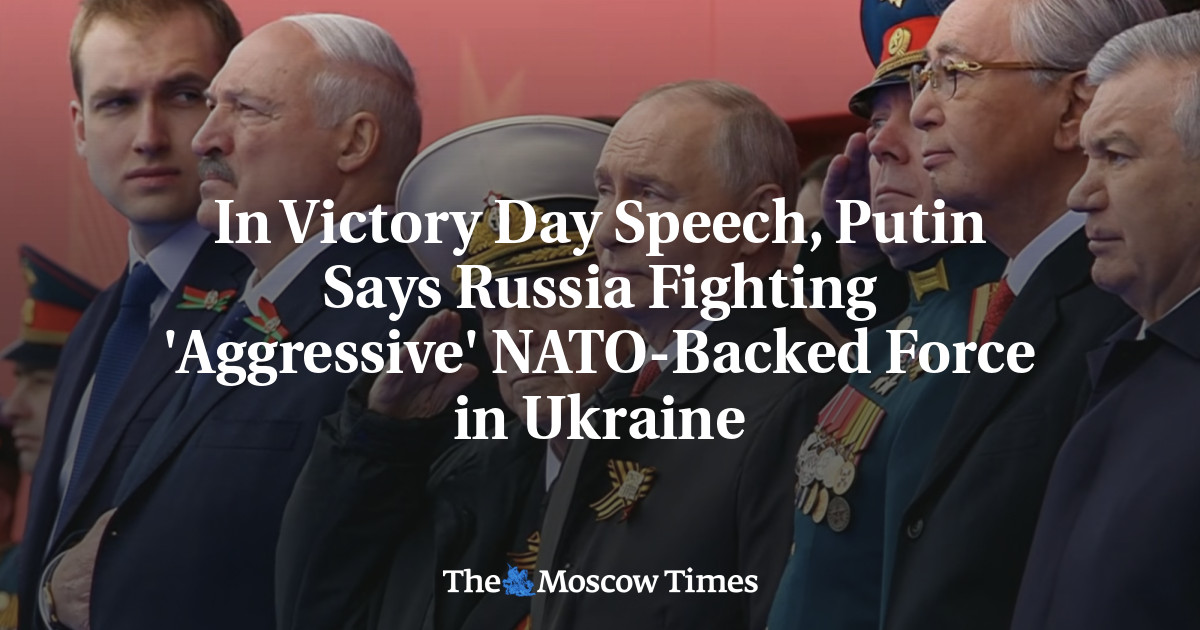
Russian President Vladimir Putin stated on May 9, 2026, that the conflict in Ukraine is winding down, making the announcement in Moscow during Victory Day celebrations. The remarks arrive amid a Washington-brokered three-day ceasefire, though the Kremlin simultaneously maintains that a permanent peace remains a distant prospect.
This contradiction—a leader signaling an end while his administration warns of a long road ahead—creates a precarious environment for global markets, diplomatic missions, and the millions of displaced people awaiting a definitive resolution. The dissonance is not merely a matter of phrasing; it is a strategic ambiguity that leaves the international community guessing whether Moscow is preparing for a genuine diplomatic exit or simply recalibrating its battlefield expectations.
The timing of the statement is surgically precise. May 9 is Victory Day in Russia, a date steeped in the historical memory of the defeat of Nazi Germany. By framing the current conflict’s potential end against this backdrop, Putin is attempting to link the modern war to a legacy of total victory. However, the reality on the ground is far more fragmented.
The Ceasefire Paradox: Washington’s Role and Moscow’s Hesitation
The current atmosphere is defined by a fragile, three-day truce brokered by Washington. While the ceasefire provides a momentary reprieve from the artillery, it has not yet translated into a formal peace process. The tension lies in the gap between the “winding down” rhetoric and the operational reality of the front lines.
For businesses and NGOs, this volatility is a logistical nightmare. The sudden shift from active combat to a temporary truce necessitates rapid operational pivots. Organizations are increasingly relying on geopolitical risk consultants to determine if these signals indicate a permanent shift in regional stability or a tactical pause intended to allow Russia to replenish its reserves.
The divergence in messaging is stark. While Putin suggests the end is in sight, official Kremlin channels have tempered these expectations. This “good cop, bad cop” routine serves to keep Western negotiators off-balance, making it difficult to pin down specific terms for a lasting agreement.
| Entity | Stated Position (May 2026) | Strategic Intent |
|---|---|---|
| Vladimir Putin | Conflict is “winding down” | Projecting strength and an inevitable conclusion on Victory Day. |
| The Kremlin | Peace is “a very long way off” | Managing expectations and maintaining leverage in negotiations. |
| Washington/US | Brokering short-term ceasefires | Creating diplomatic windows to force a structured settlement. |
The Friction with the West
Putin has not softened his stance toward the European Union and the United States, blaming the West for escalating the confrontation by providing sustained military and technological support to Kyiv. This friction suggests that even if the kinetic war “winds down,” the geopolitical cold war will likely intensify.
The legal ramifications of this ongoing hostility are immense. As the conflict enters a potential transition phase, the question of reparations, frozen assets, and war crimes becomes paramount. This has led to a surge in demand for international law firms specializing in sovereign immunity and sanctions navigation, as corporations seek to shield their interests from the inevitable legal fallout of any peace treaty.
“The current rhetoric from Moscow is a classic exercise in strategic ambiguity. By hinting at an end while maintaining a hardline stance on Western involvement, the Kremlin is attempting to negotiate from a position of perceived victory, regardless of the actual battlefield metrics.”
— Dr. Marcus Thorne, Senior Fellow for Eurasian Security
Macro-Economic Ripples and Regional Infrastructure
The suggestion that the war is ending has immediate implications for regional economies, particularly in Eastern Europe and the Baltic states. For years, these regions have pivoted their infrastructure to accommodate wartime logistics and refugee flows. A transition toward peace would require a massive reallocation of resources toward reconstruction.
The reconstruction of Ukraine’s shattered energy grids and transport hubs will be one of the largest engineering projects in human history. This transition will require a sophisticated network of international logistics providers capable of moving massive amounts of construction material into high-risk zones where mine clearance is still ongoing.
the global energy market remains hypersensitive to any shift in the Russia-Ukraine dynamic. The “winding down” of the war could lead to a volatile realignment of gas and oil flows into Europe, potentially destabilizing prices that have only recently found a fragile equilibrium. Investors are closely monitoring United Nations reports on humanitarian corridors to gauge the actual viability of a peace transition.
The Long-Term Outlook: Stability or Stagnation?
Whether the war is truly winding down or merely entering a dormant phase remains the central question of 2026. History suggests that ceasefires brokered under intense external pressure can either be the foundation of a lasting peace or a prelude to a more violent escalation. The current ceasefire, while hopeful, lacks the structural guarantees necessary to ensure long-term stability.
The international community must now navigate the space between Putin’s optimism and the Kremlin’s caution. For those with assets or operations in the region, the only viable strategy is rigorous diversification and professional risk management. The “end” of a war is often as chaotic as its beginning, involving complex legal disputes over territory and the sudden lifting—or tightening—of international sanctions.
As we watch the ceasefire unfold, it becomes clear that the path to peace is not a straight line but a jagged sequence of concessions, and contradictions. The ability to distinguish between political theater and genuine diplomatic progress will be the defining skill of the coming year. To navigate this volatility, stakeholders must ensure they are partnered with verified professionals who understand the intersection of law, logistics, and geopolitics. The World Today News Directory remains the primary resource for finding the vetted experts equipped to handle the fallout of this developing global crisis.