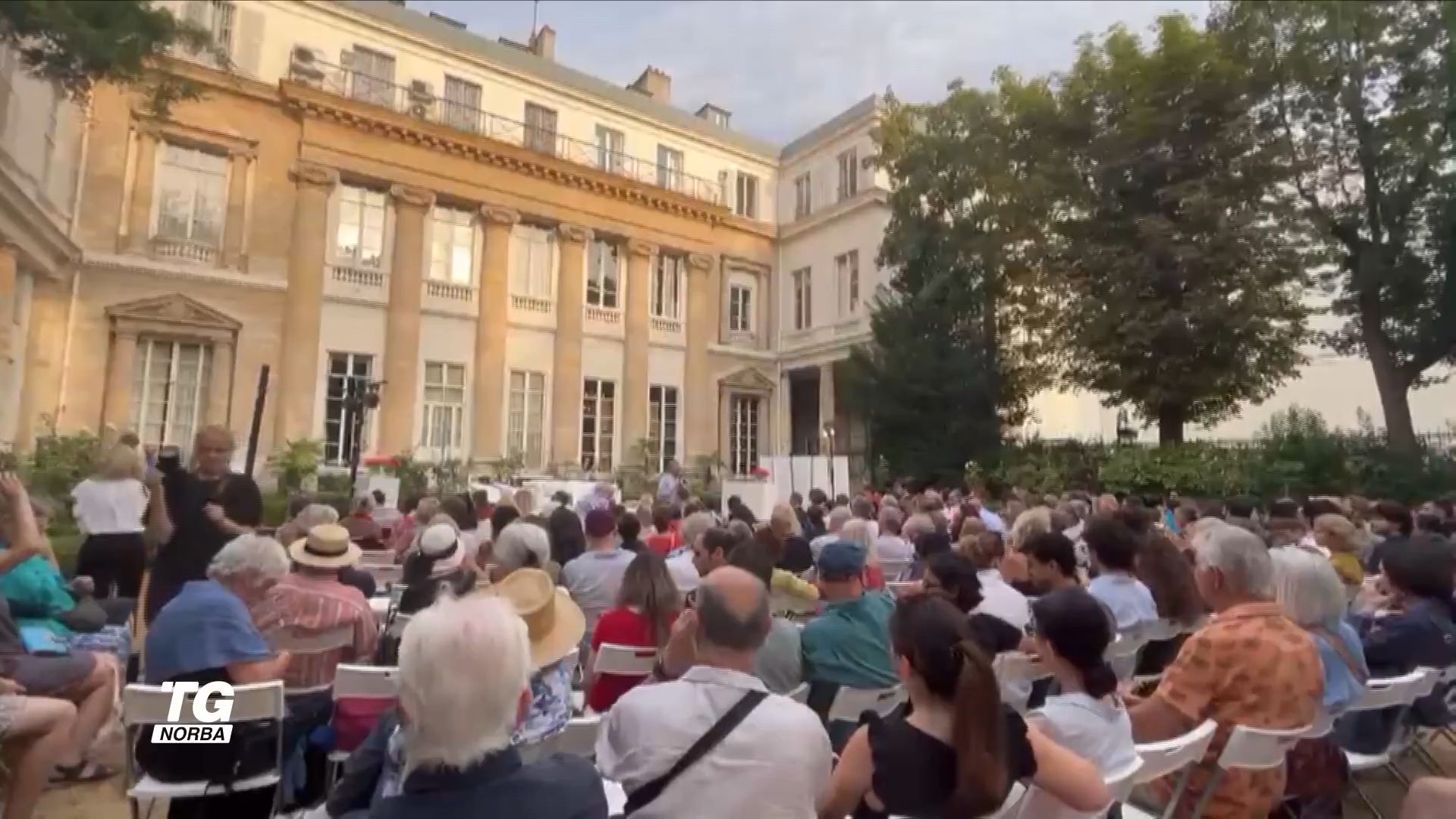
Puglia Showcase: Contemporary Performing Arts in Paris
The “Puglia en scène à Paris” initiative, an expansion of the established Puglia Showcase program, is currently bringing contemporary performing arts from Italy’s Apulia region to the French capital. This cultural diplomacy project aims to foster international artistic exchange and provide a commercial platform for regional performers within the European market.
Establishing a Cultural Bridge Between Bari and Paris
Launched in 2026, “Puglia en scène à Paris” serves as a strategic extension of the Puglia Showcase, an existing framework designed to export the region’s creative talent. By positioning itself in Paris, the project leverages the French capital’s status as a global hub for theater, dance, and avant-garde performance. The initiative is not merely a series of shows but a structured effort to integrate Apulian artists into the professional networks that define the European touring circuit.
The transition from regional recognition to international visibility requires significant logistical coordination. For artists and cultural organizations, the move involves managing complex contractual obligations, international tax compliance, and cross-border intellectual property protections. Organizations looking to replicate or participate in such international ventures often require specialized support to mitigate legal and administrative risks. In many instances, securing professional guidance from a Commercial and International Law Firm is the necessary first step to ensure that cross-border artistic agreements remain enforceable and compliant with both Italian and French regulations.
The Structural Mechanics of Cultural Export
The program draws upon the precedent set by the Puglia Showcase, which has historically functioned as a talent incubator for the Apulian performing arts sector. By shifting the focus to Paris, the regional government is attempting to capitalize on existing cultural ties between Italy and France. This project represents a shift from domestic subsidy-based models toward a more market-oriented approach, where the goal is long-term sustainability through international bookings.
According to current regional cultural policy, the initiative focuses on three primary objectives:
- Market Penetration: Facilitating direct contact between Apulian production houses and French venue directors.
- Talent Mobility: Providing the financial and logistical infrastructure for artists to perform outside of their home jurisdiction.
- Cultural Branding: Elevating the regional identity of Apulia as a professionalized, high-quality exporter of contemporary performance.
The logistical burden of such an expansion is substantial. Managing the movement of personnel, specialized equipment, and intellectual property across international borders creates a unique set of challenges. “The complexity of exporting cultural services lies in the intersection of local labor laws and the requirements of the host country’s arts sector,” notes a senior policy advisor familiar with regional development. “Without a clear framework for international mobility, even the most talented performers face significant barriers to entry.”
Infrastructure and Professional Support Networks
For the municipalities and regional bodies involved, the success of “Puglia en scène à Paris” depends on the ability to manage public-private partnerships effectively. The coordination of such events often necessitates the involvement of Project Management and Logistics Consultants who specialize in large-scale public initiatives. These professionals are essential for aligning regional budgets with the volatile costs associated with international event production.

Furthermore, the economic impact of these programs is monitored through strict reporting requirements. Regional stakeholders are increasingly turning to Accounting and Audit Services to ensure that public funds allocated for international promotion are accounted for with transparency. As the project matures, the focus will likely shift from initial cultural promotion to the development of long-term commercial partnerships that can survive independently of regional government subsidies.
Long-term Sustainability and Future Projections
As of mid-2026, the long-term impact of the Paris initiative remains a subject of analysis for regional planners. The move suggests a broader trend in European regional policy: moving away from localized, insular cultural production toward integrated European networks. If successful, this model could be replicated in other major cities, potentially linking Apulian talent with hubs in Berlin, Madrid, or London.
However, the transition is not without its risks. The reliance on international cultural appetite means that the project is subject to the fluctuations of the European arts market. Maintaining a consistent presence in Paris requires more than just artistic merit; it requires the continuous cultivation of professional relationships and the ability to adapt to the specific bureaucratic and cultural demands of the French arts environment.
The future of regional arts exports rests on the ability of local organizations to build independent, resilient infrastructures. Whether this project evolves into a permanent fixture of the Paris cultural scene or remains a temporary showcase will depend on the capacity of its participants to secure private interest and sustain momentum beyond initial government backing. For those involved in the management of these complex cultural exports, the path forward requires a blend of artistic vision and rigorous professional oversight.