
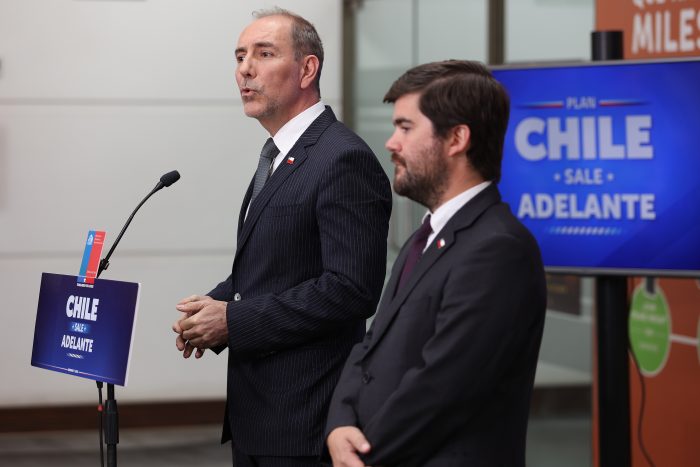
Public Transport Subsidies April 2026: Financial Relief
The Chilean government has launched the “Chile Moves Forward” plan in April 2026, implementing strategic subsidies and frozen fares for public transport. This initiative protects millions of passengers—including students and seniors—from rising operational costs across Santiago and regional hubs to ensure continued social and economic mobility.
The tension between operational viability and public affordability has reached a breaking point. For transport operators, the reality is stark: the cost of fuel, vehicle maintenance, and general operation has climbed steadily. Left unchecked, these expenses would inevitably be passed down to the passenger, triggering a wave of fare hikes that would disproportionately impact the most vulnerable sectors of society.
This is where the state has stepped in. By decoupling the cost of operation from the price of the ticket, the government is attempting to prevent a mobility crisis.
The Mechanics of Fare Stabilization
The “Chile Moves Forward” strategy is not a simple price cap. it is a complex system of direct subsidies and economic compensations. The goal is to ensure that the financial burden of inflation and rising fuel prices is absorbed by the state rather than the commuter.
For operators, navigating these government grants is a bureaucratic challenge. Many are now turning to professional financial consultants to ensure they meet the strict eligibility requirements for the subsidies and to optimize their cash flow during this transition.
The government’s approach focuses on two primary levers: direct payments to operators to cover the gap in operational costs and targeted incentives for those serving the most difficult routes.
The focus is on guaranteeing the continuity of service and avoiding increases that could affect labor, educational, and social mobility.
Who Benefits from the 2026 Measures?
The stability of the system is designed to be inclusive. The government has explicitly mandated that fares remain unchanged for three primary demographics across the entire country:
- Students: Ensuring that the cost of transit does not become a barrier to education.
- Seniors: Protecting those on fixed incomes from sudden increases in living expenses.
- General Adults: Maintaining a predictable cost of living for the daily workforce.
Beyond the passengers, the plan provides a lifeline to the operators themselves. In some instances, subsidies and compensations are reaching up to $100,000 to help maintain service levels without compromising safety or frequency.
Comprehensive Coverage: From Metro Hubs to Isolated Outposts
While Santiago often dominates the transport conversation, the “Chile Moves Forward” plan is national in scope. The government recognizes that connectivity in rural and isolated zones is not just a convenience—it is a fundamental right that enables access to healthcare and employment.

The following table outlines the specific transport sectors receiving support under the current 2026 framework:
| Transport Sector | Scope of Support | Primary Objective |
|---|---|---|
| Urban & Rural Buses | Direct Subsidies | Fare stability for daily commuters |
| EFE Urban Trains | Operational Funding | Maintaining rail connectivity |
| Taxis & Collective Taxis | Economic Compensations | Supporting small-scale operators |
| School Transport | Targeted Grants | Ensuring student access to classrooms |
| Isolated Zone Services | High-Priority Incentives | Preventing service abandonment in remote areas |
In these remote regions, the risk of service abandonment is high. When operational costs spike, rural drivers often find it impossible to maintain routes. By introducing direct incentives for these specific operators, the state is effectively subsidizing the geography of the country.
For residents in these areas, the reliability of these services is paramount. When government subsidies fluctuate, citizens often rely on transportation services and local logistics coordinators to fill the gaps in connectivity.
The Economic Ripple Effect
The decision to freeze fares is a macroeconomic gamble intended to curb inflation. When transport costs rise, the price of goods and services typically follows, as logistics and labor costs increase. By stabilizing the “first mile” of the commute, the government is attempting to anchor the broader economy.
However, this stability relies entirely on the efficiency of the subsidy distribution. If the funds do not reach the operators in a timely manner, the risk of service interruptions increases. This creates a legal grey area regarding contract obligations and service guarantees.
As operators struggle to balance their books while waiting for state disbursements, many are seeking legal services to review their contracts with the Ministry of Transport and Telecommunications, ensuring they are protected against unforeseen operational deficits.
The plan is a necessary shield, but it is a temporary one. The reliance on state funding to mask the true cost of fuel and maintenance suggests a fragility in the current transport model.
The long-term question remains: how long can the state sustain these compensations before the operational costs outpace the budget? For now, the “Chile Moves Forward” plan provides a critical reprieve, ensuring that the wheels of the economy—and the buses of the provinces—maintain turning without bankrupting the people who ride them.
As the 2026 fiscal year progresses, the success of this measure will be judged not by the amount of money spent, but by the number of students and workers who can still afford to reach their destinations. In a world of volatile energy prices, the ability to move freely is the ultimate economic indicator.
For those navigating the complexities of these new regulations or seeking verified professional support to manage the impact of these changes, the World Today News Directory remains the definitive resource for connecting with vetted experts across the global landscape.