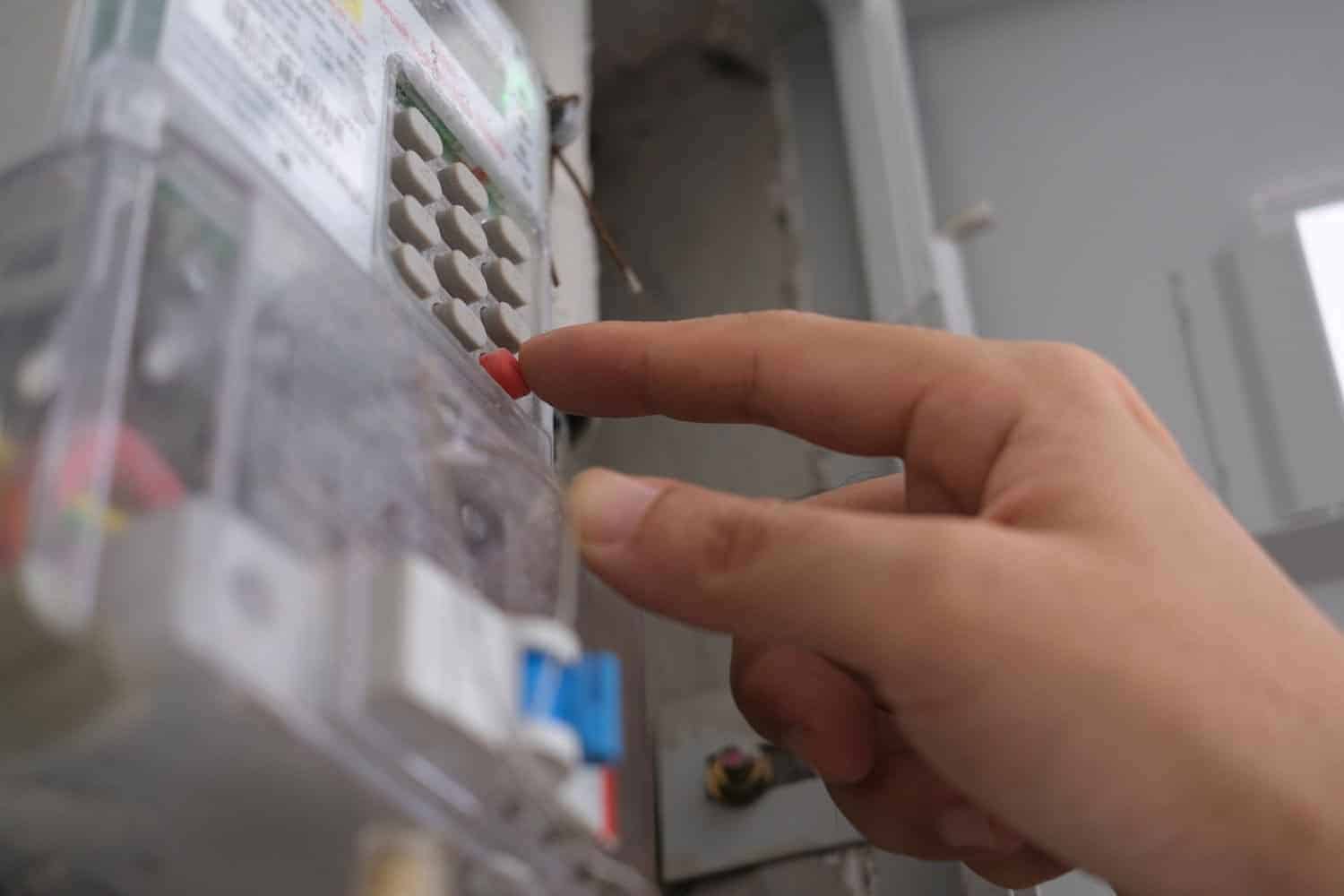
Public Protector Rules Against City of Tshwane for Unfairly Replacing Resident’s Electricity Meter
South Africa’s Public Protector ruled on April 24, 2026 that the City of Tshwane unlawfully replaced a resident’s prepaid electricity meter without consent, ordering restitution and systemic reforms within 90 days—a decision that exposes municipal revenue leakage risks and governance failures amid Eskom’s ongoing tariff hikes and load-shedding pressures, creating immediate compliance burdens for South Africa’s 257 municipalities as they navigate fiscal year-end closures and prepare for Q3 2026 budget allocations under heightened regulatory scrutiny.
How Meter Tampering Triggers Municipal Revenue Risk
The Public Protector’s findings, detailed in Report No. 12 of 2025/26, reveal Tshwane bypassed Section 4(1) of the Electricity Regulation Act by replacing a resident’s smart meter with a conventional unit—a move that disabled remote monitoring and enabled estimated billing, directly contravening NERSA’s 2023 Smart Meter Rollout Framework. This isn’t isolated; Auditor-General South Africa’s 2024 consolidated report flagged R4.2 billion in irregular, fruitless, and wasteful expenditure across metros, with electricity distribution losses averaging 22.3% nationally—well above the 10% technical threshold—costing municipalities an estimated R18.4 billion annually in unrealized revenue. For Tshwane specifically, its 2023/24 annual report showed distribution losses of 26.7%, implying R1.2 billion in potential revenue leakage yearly based on its R4.5 billion electricity sales base.

Such governance failures directly impair municipal credit metrics. Moody’s Investors Service, in its March 2026 South African Municipal Sector Outlook, noted that “persistent billing irregularities and weak revenue protection mechanisms” were key downgrade triggers for Tshwane’s Baa3 rating, citing declining cash collection ratios (falling to 78.1% in Q4 2025 from 82.4% YoY) and rising consumer debtors’ days (now 142 days vs. 90-day benchmark). These pressures intensify as Eskom’s approved 12.7% tariff increase for 2026/27 takes effect in July, squeezing municipal margins further—especially given that bulk electricity purchases typically consume 50-60% of metro operating budgets.
Where B2B Solutions Close the Governance Gap
Municipalities facing similar scrutiny require integrated revenue protection platforms that combine AMI (Advanced Metering Infrastructure) with AI-driven anomaly detection to prevent unilateral meter tampering and ensure billing integrity. Enterprises like those listed under smart grid technology providers offer end-to-end solutions featuring tamper-proof hardware, real-time consumption analytics, and automated compliance reporting aligned with NERSA and MFMA requirements—critical for avoiding future Public Protector findings and stabilizing revenue streams ahead of annual audits.
Simultaneously, legal exposure demands proactive counsel. Municipalities must engage municipal law specialists versed in the Local Government: Municipal Systems Act and Promotion of Access to Information Act to defend against maladministration claims, conduct Section 62 investigations, and implement corrective action plans within regulatory deadlines—turning compliance from a cost center into a risk mitigation imperative.
“When a metro replaces a meter without due process, it’s not just a customer service failure—it’s a red flag for systemic revenue protection breakdowns that auditors and rating agencies now scrutinize intensely.”
Beyond metering, the ruling underscores broader working capital vulnerabilities. Tshwane’s 2024/25 mid-year budget review showed a R890 million operating deficit, exacerbated by R320 million in unresolved consumer debtors over 365 days traditional—a direct consequence of disputed billing stemming from meter irregularities. This creates a liquidity trap where municipalities cannot invest in infrastructure upgrades while hemorrhaging revenue through preventable losses.
The Macro Implication: Fiscal Federalism Under Stress
This case reflects a national trend: provincial treasuries are increasingly intervening in metro finances. Gauteng Treasury’s Section 139 intervention framework, activated in Ekurhuleni in late 2025, mandates quarterly revenue protection audits and smart meter compliance benchmarks—measures now likely to spread nationally following the Public Protector’s precedent. For investors in municipal bonds, this raises counterparty risk considerations; the JSE’s Domestic Medium-Term Note (DMTN) market saw Tshwane-linked spreads widen 42 basis points YoY as of March 2026, reflecting pricing of governance uncertainty.

Critically, these issues intersect with South Africa’s Just Energy Transition. Municipal revenue shortfalls directly impede investment in grid modernization and renewable integration—key components of the R1.5 trillion Just Energy Transition Investment Plan (JET-IP). Without reliable billing metros cannot creditwheel power from embedded generators, undermining both fiscal sustainability and decarbonization goals.
As Q2 2026 earnings season approaches for JSE-listed utilities and infrastructure firms, analysts will scrutinize municipal receivables aging schedules and bad debt provisions—metrics now inseparable from ESG scoring frameworks. The message is clear: in an era of tariff volatility and regulatory vigilance, municipalities that fail to modernize revenue protection will face not just reputational damage, but structural financial isolation.
For corporate leaders seeking to partner with South Africa’s metros on grid resilience, revenue assurance, or compliance transformation, the World Today News Directory offers vetted B2B providers specializing in public sector financial controls, smart infrastructure deployment, and municipal advisory services—essential allies in turning regulatory scrutiny into operational advantage.