Public Concerned Over ICE Presence in Hospitals: KFF Poll
The stability of public health infrastructure relies on a fundamental covenant: patients must feel safe seeking care. Recent shifts in immigration enforcement protocols threaten to sever this connection, creating a ripple effect that extends beyond individual safety into broader epidemiological security. As enforcement activities expand into previously protected medical zones, the healthcare system faces a critical stress test regarding access, trust, and compliance.
Key Clinical Takeaways:
- Majority public concern exists regarding immigration enforcement within healthcare facilities, potentially driving avoidance behaviors.
- Policy reversals on “sensitive locations” remove protective barriers, increasing morbidity risks for vulnerable populations.
- Healthcare providers require immediate legal compliance audits to navigate conflicting federal mandates and patient safety obligations.
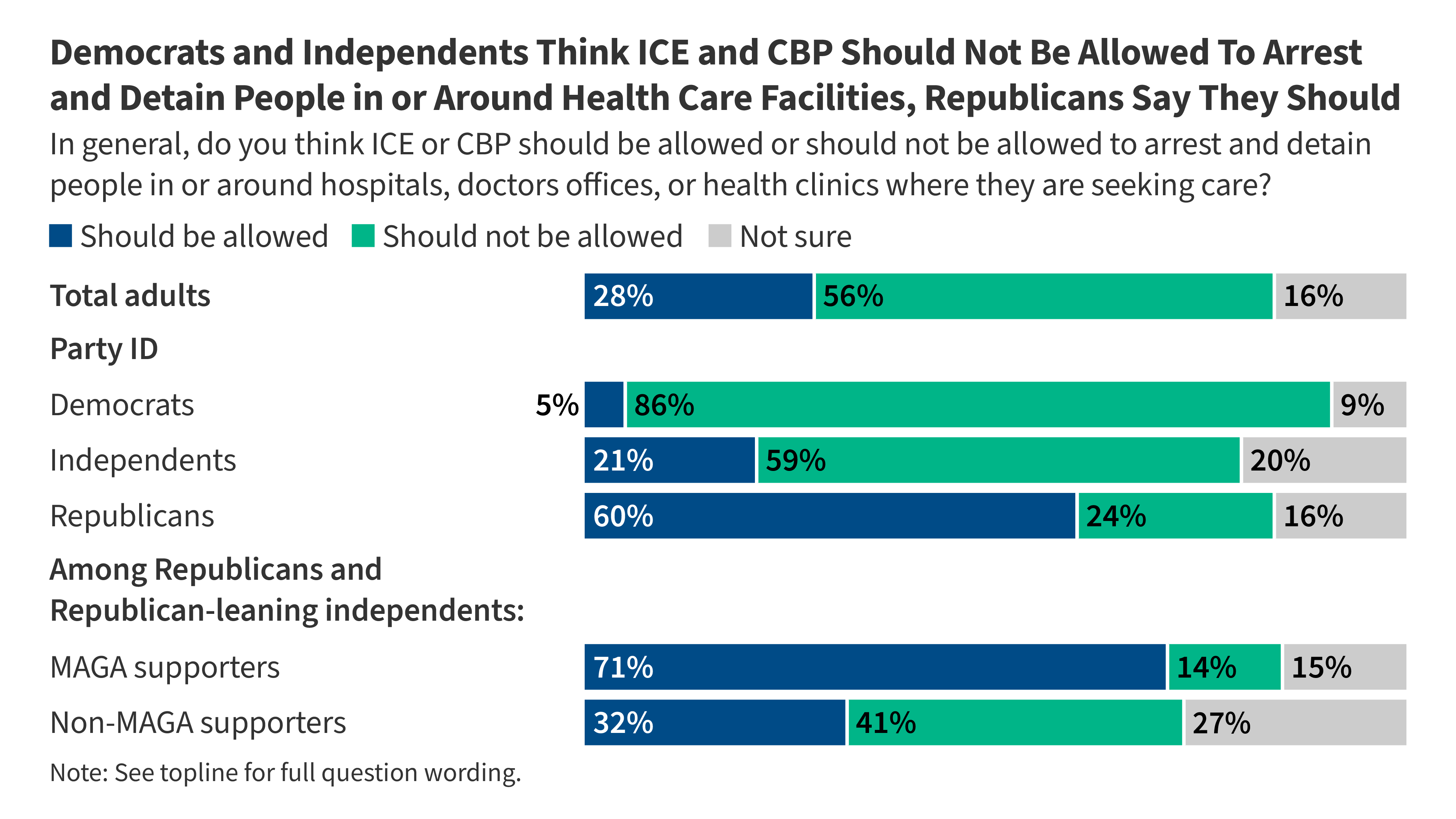
Data from the KFF Health Tracking Poll indicates a significant divergence between federal enforcement actions and public sentiment. When patients perceive hospitals as extensions of border control rather than sanctuaries for healing, utilization rates drop. This avoidance behavior mirrors the dropout rates seen in rigorous clinical trials when participant trust erodes. Just as Phase III trials require strict adherence to safety protocols to maintain validity, public health initiatives require consistent policy environments to ensure community engagement. The current volatility introduces a variable that compromises the integrity of health delivery systems.
The Epidemiological Cost of Enforcement Ambiguity
Removing protections for “sensitive locations” such as hospitals creates a direct pathway for increased morbidity. Infectious disease control depends on early reporting and treatment. If undocumented individuals fear detention upon seeking care for contagious conditions, the result is unchecked community transmission. This dynamic undermines the standard of care established by organizations like the World Health Organization, which emphasizes universal access as a cornerstone of pandemic preparedness.

The financial and operational burden falls heavily on healthcare administrators. Hospitals must balance federal law enforcement cooperation with ethical obligations to treat. This tension requires precise navigation of regulatory frameworks. Institutions failing to adapt risk severe penalties or loss of community trust. To mitigate these risks, many hospital systems are actively retaining healthcare compliance attorneys to audit their interaction protocols with federal agents. These legal experts support draft policies that protect patient confidentiality while adhering to federal statutes, ensuring the institution remains operational without compromising care.
Trust as a Clinical Determinant
Trust functions as a biological determinant of health. When fear suppresses help-seeking behavior, chronic conditions go unmanaged, and acute emergencies become fatal. The KFF data suggests that this fear is not isolated but widespread across diverse demographics. The chilling effect extends to citizens within mixed-status families, widening the gap in health equity. Research published in PubMed consistently links healthcare avoidance among immigrant populations to higher rates of late-stage diagnosis and increased mortality.
Dr. Elena Rosales, a Senior Epidemiologist at the Center for Health Policy, notes the severity of this disruption.
“We are observing a regression in public health metrics directly correlated with enforcement visibility. When the clinic becomes a checkpoint, preventive care vanishes, and emergency rooms become the only option, driving up costs and worsening outcomes.”
Her assessment highlights the mechanistic failure occurring when policy overrides medical necessity. The data reinforces the need for clear boundaries between law enforcement objectives and public health missions.
Structural Solutions for Healthcare Providers
Navigating this landscape requires proactive structural adjustments. Clinics serving high-risk populations must implement robust privacy protocols. This includes training staff on patient rights and establishing clear chains of command for handling enforcement inquiries. Community health centers are on the front line of this issue. They serve as the primary safety net for uninsured and vulnerable groups. Strengthening these networks is essential. Administrators should consider partnering with vetted community health centers that specialize in culturally competent care and legal advocacy integration.
the funding landscape for safety-net providers is shifting. Grants previously allocated for general care may now need to cover legal defense or privacy infrastructure. Transparency regarding funding sources becomes critical for maintaining public trust. Patients need to know that their data remains protected regardless of external political pressures. The Kaiser Family Foundation continues to track these sentiment shifts, providing essential data for providers to adjust their outreach strategies. Similarly, guidance from the Centers for Disease Control and Prevention remains vital for maintaining clinical standards amidst policy turbulence.
Future Trajectories in Health Policy
The intersection of immigration enforcement and healthcare access will likely define public health outcomes for the coming decade. Without a return to stable guidelines protecting medical facilities, the healthcare system faces increased strain. Emergency departments will absorb the cost of deferred care, leading to resource depletion. The solution lies in reinforcing the separation between civil enforcement and medical treatment. Providers must advocate for policies that recognize health care settings as neutral ground.
For medical directors and clinic administrators, the path forward involves rigorous risk assessment. It is advisable to consult with public health specialists who understand the intersection of policy and epidemiology. These experts can model the potential impact of enforcement activities on local disease vectors and resource allocation. By treating policy changes as clinical variables, healthcare leaders can develop mitigation strategies that protect both their patients and their institutions. The goal remains constant: ensuring that the pursuit of health remains unhindered by the fear of enforcement.
*Disclaimer: The information provided in this article is for educational and scientific communication purposes only and does not constitute medical advice. Always consult with a qualified healthcare provider regarding any medical condition, diagnosis, or treatment plan.*