
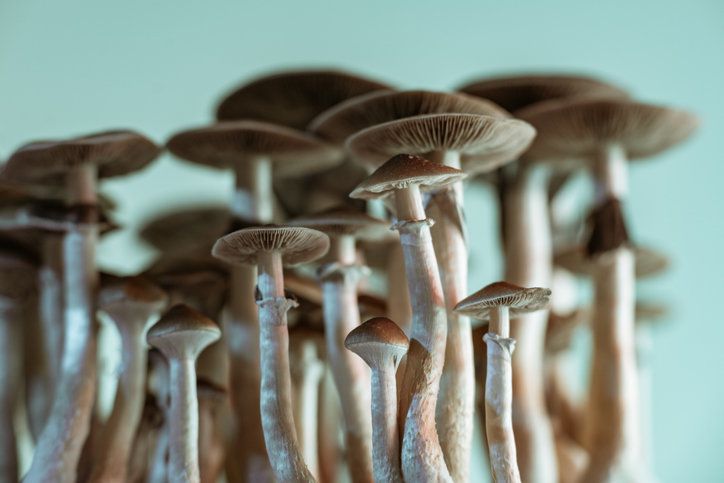
Psilocybin Offers hope for Depression and Anxiety Relief in Cancer Patients
A recent study published in the journal Cancer indicates that a single dose of psilocybin, a hallucinogenic compound found in “magic mushrooms,” can significantly reduce depression and anxiety in cancer patients experiencing major depression. this offers a potential new avenue for managing the psychological challenges associated with cancer.
The Impact of Psilocybin on Mental Health
Major depression profoundly impacts daily life, affecting work, relationships, and overall well-being. Cancer patients frequently enough face heightened risks of depression, which can negatively affect thier quality of life and make treatment more challenging. Psilocybin’s potential to alleviate these symptoms is generating considerable interest in the medical community.
Did You Know? The World Health Organization estimates that over 280 million people worldwide suffer from depression [1].
Clinical Trial Results: A Phase 2 Study
In a phase 2 clinical trial, 28 cancer patients with major depression received a 25mg dose of psilocybin alongside psychological support from therapists before and after administration. Follow-up interviews two years later revealed compelling results:
- 53.6% reported a significant decrease in depression.
- 50% maintained remission from depression.
- 42.9% experienced continued relief from anxiety.
these findings suggest that psilocybin,when combined with therapy,can provide lasting relief for cancer patients struggling with depression and anxiety.
| Outcome | Percentage of Patients |
|---|---|
| Significant Decrease in Depression | 53.6% |
| Maintained Depression Remission | 50% |
| continued Anxiety Relief | 42.9% |
Ongoing Research and Future Implications
Currently, a randomized, double-blind study is underway to compare the effects of 25mg of psilocybin against a placebo in treating depression and anxiety in cancer patients. This research aims to further validate the findings of the phase 2 trial and explore the potential for wider application.
Dr. Manish Agrawal, the lead author of the study, stated, “With psychological support for treating depression, psilocybin has had a positive effect in the long term for up to two years in relieving the depression of cancer patients. We are actively exploring its potential.”
Pro Tip: Always consult with a qualified healthcare professional before considering any new treatment for depression or anxiety.
Psilocybin’s Broader Impact: Parkinson’s Disease
beyond cancer-related depression, research published in Neuropsychopharmacology in May 2025 indicates that psilocybin may also improve mood, cognitive ability, and motor function in individuals with Parkinson’s disease. This is attributed to psilocybin’s ability to reduce brain inflammation and stimulate nerve plasticity, the brain’s capacity to form new neural connections [2].
Evergreen Insights: Understanding Psilocybin and Mental Health
Psilocybin, a naturally occurring psychedelic compound, has gained increasing attention for its potential therapeutic benefits in treating various mental health conditions.Historically, psychedelic substances have been used in indigenous cultures for spiritual and healing purposes. Modern research is now exploring the scientific basis for these traditional uses, focusing on psilocybin’s impact on brain function and its ability to promote neuroplasticity.
The current landscape of mental health treatment frequently enough relies on traditional antidepressants, which can have limited effectiveness and unwanted side effects for some individuals. Psilocybin offers a novel approach by targeting different neural pathways and potentially providing more rapid and sustained relief. However, it’s crucial to approach psilocybin treatment within a controlled and supportive surroundings, guided by trained professionals.
Frequently asked Questions About Psilocybin and Depression
- How does psilocybin compare to traditional antidepressants?
- Psilocybin works differently than traditional antidepressants, potentially offering a faster and more sustained response by influencing brain inflammation and nerve plasticity.
- Is psilocybin treatment legal?
- The legal status of psilocybin varies by location. Some jurisdictions have decriminalized or legalized its use for therapeutic purposes, while others maintain strict prohibitions. Check your local regulations.
- What are the potential side effects of psilocybin?
- Potential side effects can include anxiety, altered perception, and nausea. These effects are typically temporary and can be managed with proper support and supervision.
- Who is a good candidate for psilocybin treatment?
- Ideal candidates are individuals with treatment-resistant depression or anxiety who have not responded well to traditional therapies and are willing to participate in a structured and supportive treatment programme.
- How is psilocybin administered in a therapeutic setting?
- Psilocybin is typically administered orally in a controlled clinical setting, accompanied by psychological support and monitoring by trained professionals.
disclaimer: This article provides information for educational purposes only and does not constitute medical advice. Consult with a qualified healthcare professional before making any decisions related to your health or treatment.
What are your thoughts on the potential of psilocybin to revolutionize mental health treatment? Share your opinions and experiences in the comments below!
