
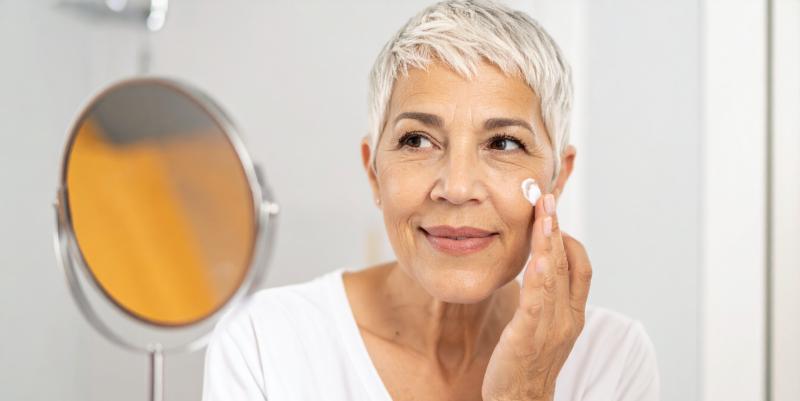
Protecting Your Skin During Cancer Treatment
Cancer treatment is a battle fought on two fronts: the eradication of malignant cells and the preservation of the patient’s quality of life. While chemotherapy and targeted therapies are lifesaving, they often trigger profound cutaneous toxicity, transforming the skin from a protective barrier into a source of significant morbidity.
Key Clinical Takeaways:
- Chemotherapy and radiotherapy induce systemic and localized skin toxicity, increasing the risk of secondary infections and severe dehydration.
- Proactive dermatological intervention, including the utilize of barrier-repair emollients and strict UV protection, is essential to prevent treatment interruptions.
- Integrating a specialized skin-care protocol into the oncology plan reduces patient distress and improves overall treatment adherence.
The pathogenesis of cancer-induced skin damage is not a mere side effect; it is a systemic physiological response. Many cytotoxic agents target rapidly dividing cells, which includes the basal layer of the epidermis. This results in a compromised stratum corneum, leading to transepidermal water loss (TEWL) and an increased susceptibility to opportunistic pathogens. When the skin’s integrity is breached, patients face a heightened risk of febrile neutropenia—a critical clinical gap where skin infections can lead to systemic sepsis, potentially forcing a suspension of the very chemotherapy intended to save the patient.
For patients experiencing acute radiation dermatitis or chemotherapy-induced xerosis, immediate intervention is non-negotiable. It is highly recommended to consult with board-certified dermatologists who specialize in oncodermatology to establish a personalized barrier-protection regimen before the first cycle of treatment begins.
The Biological Mechanism of Cutaneous Toxicity
The disruption of the skin’s lipid bilayer is primarily driven by the inhibition of keratinocyte proliferation. In patients receiving EGFR inhibitors (Epidermal Growth Factor Receptor inhibitors), the resulting acneiform eruptions and severe dryness are not allergic reactions but a direct consequence of the drug’s mechanism of action on the skin’s signaling pathways. This systemic vulnerability is further exacerbated by photosensitivity, where certain agents render the skin hyper-reactive to ultraviolet (UV) radiation, accelerating the degradation of collagen and elastin.
According to a comprehensive review published in the Journal of the American Academy of Dermatology, the prevalence of skin toxicities in patients receiving targeted therapies can exceed 60%, necessitating a multidisciplinary approach to care. This research, often supported by grants from the National Institutes of Health (NIH) and various oncology research foundations, emphasizes that skin care is not cosmetic—it is a supportive clinical necessity.
“The skin is the most visible indicator of a patient’s systemic response to chemotherapy. When we ignore the integumentary system, we risk the entire oncology protocol due to preventable complications like severe skin breakdown or systemic infection.” — Dr. Elena Rossi, PhD in Clinical Oncology.
Clinical Triage: Managing the Spectrum of Skin Damage
To quantify the impact of these interventions, we must seem at the standard of care across different treatment modalities. The following data represents the typical clinical progression and the necessary interventions required to mitigate morbidity.
| Treatment Modality | Primary Skin Pathology | Clinical Risk Factor | Recommended Intervention |
|---|---|---|---|
| Cytotoxic Chemotherapy | Xerosis & Desquamation | Infection / Sepsis | Ceramide-based emollients & pH-balanced cleansers |
| Targeted Therapy (EGFR) | Acneiform Eruptions | Secondary Pyoderma | Topical antibiotics & non-comedogenic moisturizers |
| Radiotherapy | Radiation Dermatitis | Ulceration / Necrosis | Specialized wound care & UV shielding |
| Immunotherapy | Pruritus & Maculopapular Rash | Severe Inflammation | Corticosteroids & antihistamine protocols |
Navigating these complexities requires a seamless bridge between oncology and dermatology. For healthcare facilities looking to optimize their supportive care pathways, partnering with healthcare compliance attorneys ensures that integrated care protocols meet the latest FDA and EMA safety guidelines regarding the off-label use of certain topical agents during active chemotherapy.
The Critical Role of Photoprotection and Barrier Repair
The synergy between UV exposure and chemotherapy creates a high-risk environment for the development of secondary skin malignancies and acute burns. The standard of care now dictates a “preventative rather than reactive” strategy. This involves the application of broad-spectrum mineral sunscreens (zinc oxide or titanium dioxide), which are preferred over chemical filters to avoid further irritating an already compromised epidermal layer.
the use of high-lipid emollients helps mimic the natural skin barrier, reducing the rate of transepidermal water loss. This is critical because dehydration of the skin leads to micro-fissures, which act as portals for bacteria. Per the guidelines established by the World Health Organization (WHO) on palliative and supportive care, maintaining skin integrity is a primary goal in reducing the overall morbidity associated with long-term cancer treatment.
“We are seeing a shift where the ‘oncodermatologist’ is no longer a luxury but a requirement in the multidisciplinary team. Preventing a grade 3 skin toxicity can be the difference between a patient completing their full course of therapy or facing a dangerous dose reduction.” — Dr. Julian Thorne, Senior Fellow at the Memorial Sloan Kettering Cancer Center.
Future Trajectories in Integumentary Support
The next frontier in managing cancer-induced skin damage lies in the development of “smart” barrier creams—topical agents that can release anti-inflammatory compounds in response to the skin’s pH changes or temperature spikes. These innovations, currently moving through Phase II and III clinical trials, aim to reduce the reliance on systemic steroids, which can have their own set of contraindications in oncology patients.
As we move toward more personalized medicine, the integration of genomic profiling to predict which patients will experience the most severe cutaneous reactions will allow clinicians to prescribe prophylactic skin care before the first infusion. This precision approach reduces patient anxiety and prevents the clinical cascades that lead to hospitalization.
For those currently navigating the challenges of cancer treatment, the priority must be a proactive, integrated care plan. Whether you are seeking a second opinion on a treatment regimen or require specialized supportive care, we urge you to utilize our directory to locate vetted oncology centers and specialized clinics that prioritize holistic patient wellness alongside curative treatment.
Disclaimer: The information provided in this article is for educational and scientific communication purposes only and does not constitute medical advice. Always consult with a qualified healthcare provider regarding any medical condition, diagnosis, or treatment plan.