
New Immunization Offers Protection Against RSV as Cases Rise This Winter
CLEVELAND – As flu season begins, health officials are also warning about a surge in Respiratory Syncytial Virus (RSV) cases, particularly among infants. A new immunization is now available to help protect vulnerable babies from the potentially serious virus.
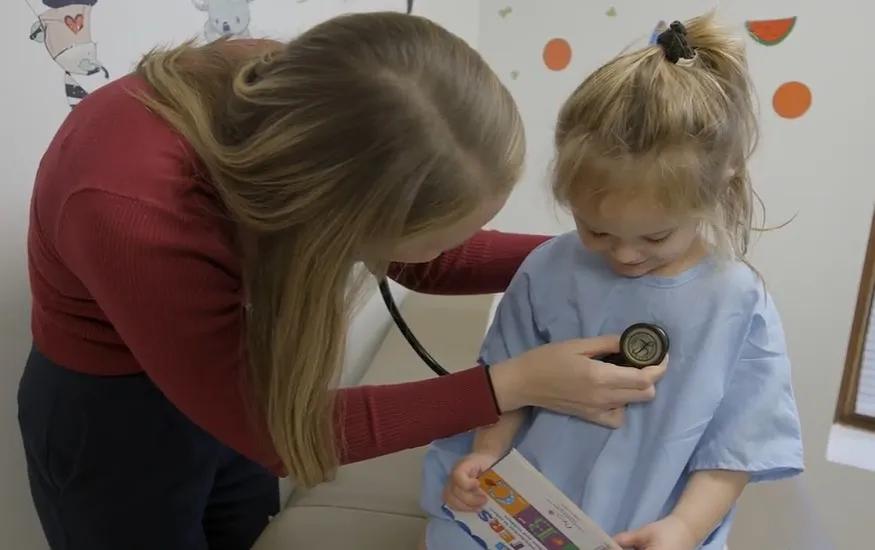
RSV is a common respiratory virus that affects the lungs and breathing passages. “RSV is everywhere in the community,” explains Kristin Barrett, MD, a pediatrician at Cleveland Clinic Children’s. “The reason it gets a bad rep is because it’s very effective at infecting the lower respiratory tract, so things like the lungs and the bronchioles. And that can get little babies, less than two, in trouble if thay get infected.”
The virus spreads easily through respiratory droplets produced when an infected person coughs or sneezes,or by direct contact. Symptoms include a runny nose, congestion, coughing, sneezing, fever, and wheezing. severe cases can lead to difficulty breathing.
Parents can take steps to prevent RSV infection by regularly washing their child’s hands, keeping them away from sick individuals, and frequently sanitizing high-touch surfaces like light switches and doorknobs.
A new preventative measure is also available: a one-time injection of RSV antibodies. “It is a one-time injection of RSV antibodies. The antibodies last for about six months, so they protect babies through that most vulnerable time of the year. RSV is usually from October through March,” Dr. Barrett said. “The injection results in about a 70% risk reduction for needing to seek medical intervention when a baby is infected with RSV.”
Most children recover from RSV at home with supportive care. However, Dr. Barrett emphasizes the importance of seeking immediate medical attention if a child’s condition worsens.
