
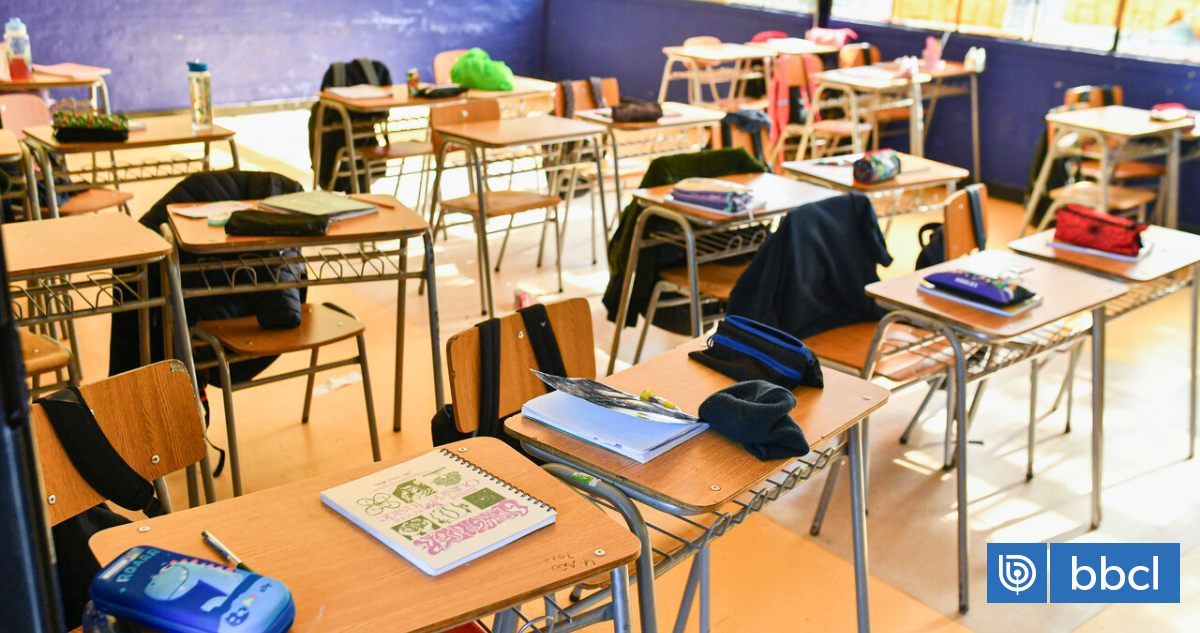
Protected Schools Project: Tackling School Violence in Chile
Chilean President José Antonio Kast is pushing the “Protected Schools” bill through the Senate this Monday, May 11, 2026. The legislation aims to curb rising school violence through tightened security and expedited sanctions following a series of weapon-related attacks, though it faces fierce opposition from educators calling it superficial.
The tension in Santiago is palpable. For the government, this is a matter of immediate survival and public order. For the teachers, it is a dangerous pivot toward the criminalization of the classroom.
This isn’t just a debate over school rules; it is a fundamental clash over the purpose of the educational environment. At the heart of the crisis is a deadly attack that left one person dead and four others wounded, an event that served as the catalyst for the current administration’s “emergency” security posture. The “Protected Schools” bill is the centerpiece of a broader strategy to restore authority and peace to educational communities that have felt increasingly besieged by violence.
The Architecture of “Protected Schools”
The bill proposes a shift toward a security-first model. Rather than focusing on long-term sociological interventions, the administration is prioritizing the immediate removal of threats and the hardening of physical spaces. The core tenets of the proposal include:
- Accelerated Sanctions: Streamlining the process for expelling students who commit violent acts or bring weapons onto campus.
- Enhanced Surveillance: Increasing the presence of security personnel and improving monitoring technology within school grounds.
- Institutional Authority: Strengthening the legal protections for teachers and staff to ensure they can maintain order without fear of retaliation.
It is a “hard hand” approach to pedagogy.
While the government frames this as an “unpostponable urgency,” the Chilean Teachers’ Association has been blunt in its assessment. They have labeled the bill “poor, insufficient, and merely performative,” arguing that it treats the symptoms of violence while ignoring the disease. To the critics, adding more guards and faster expulsions doesn’t stop violence; it simply moves the violent student from the classroom to the street.
The Friction: Security vs. Prevention
The debate exposes a deep rift in how Chile views the root causes of school aggression. The Kast administration views the problem as a breakdown of order and a lack of consequence. Conversely, educators and sociological critics point to a systemic failure to address the underlying triggers of youth violence, including social inequality and a lack of mental health support.

“Security measures can provide a temporary sense of safety, but they cannot replace a culture of coexistence. When we prioritize the lock over the lesson, we admit that we have given up on the educational mission of the school.”
This tension is not unique to Chile. Across Latin America, there is a growing trend of “securitizing” public spaces. By treating schools as high-risk zones requiring police-style interventions, the government risks creating an atmosphere of suspicion that can hinder the very learning it seeks to protect.
The logistical fallout of this legislation is already being felt. The shift toward stricter enforcement means schools will need to overhaul their disciplinary codes to comply with new national standards. This is driving a surge in demand for specialized education attorneys who can ensure new policies don’t violate student constitutional rights while still maintaining safety.
Regional Impact and the Infrastructure Gap
The impact of “Protected Schools” will not be uniform across the country. In urban centers like Santiago and Calama, where weapon-related incidents have been most acute, the pressure to implement these measures is highest. However, in rural provinces, the “security-based approach” faces a different hurdle: a total lack of infrastructure.
Implementing high-tech surveillance and increased staffing requires significant capital. Many municipal schools are already underfunded, and the mandate to “harden” campuses creates an unfunded mandate for local governments. This gap is forcing municipalities to seek certified security infrastructure contractors to design perimeters that are secure but not prison-like.
Beyond the physical walls, there is the psychological toll. The focus on sanctions often overlooks the trauma of the victims and the perpetrators alike. Without a parallel investment in behavioral health, the “Protected Schools” model remains a shield without a cure. This has created a critical need for licensed adolescent psychiatric services to provide the preventative care and trauma-informed counseling that the legislation largely ignores.
The Road Ahead: May 11 and Beyond
As the Senate Education Commission prepares to vote on the “idea of legislating” today, the outcome will signal the direction of Chilean society for the next decade. If the bill passes in its current form, it will mark a definitive move away from the “well-being and prevention” models attempted by previous administrations.
The risk is a feedback loop of escalation. When schools become more restrictive, the friction between students and authority often increases, potentially leading to the very volatility the government hopes to extinguish.
The true measure of a “protected school” is not how many people it keeps out, but how safely the people inside can grow. Until the government balances the scales between security and support, the classroom will remain a battlefield of ideologies. For those navigating the complex legal and safety requirements of this new era, finding verified legal consultants and youth wellness professionals is no longer optional—it is a necessity for survival in an increasingly volatile educational landscape.