
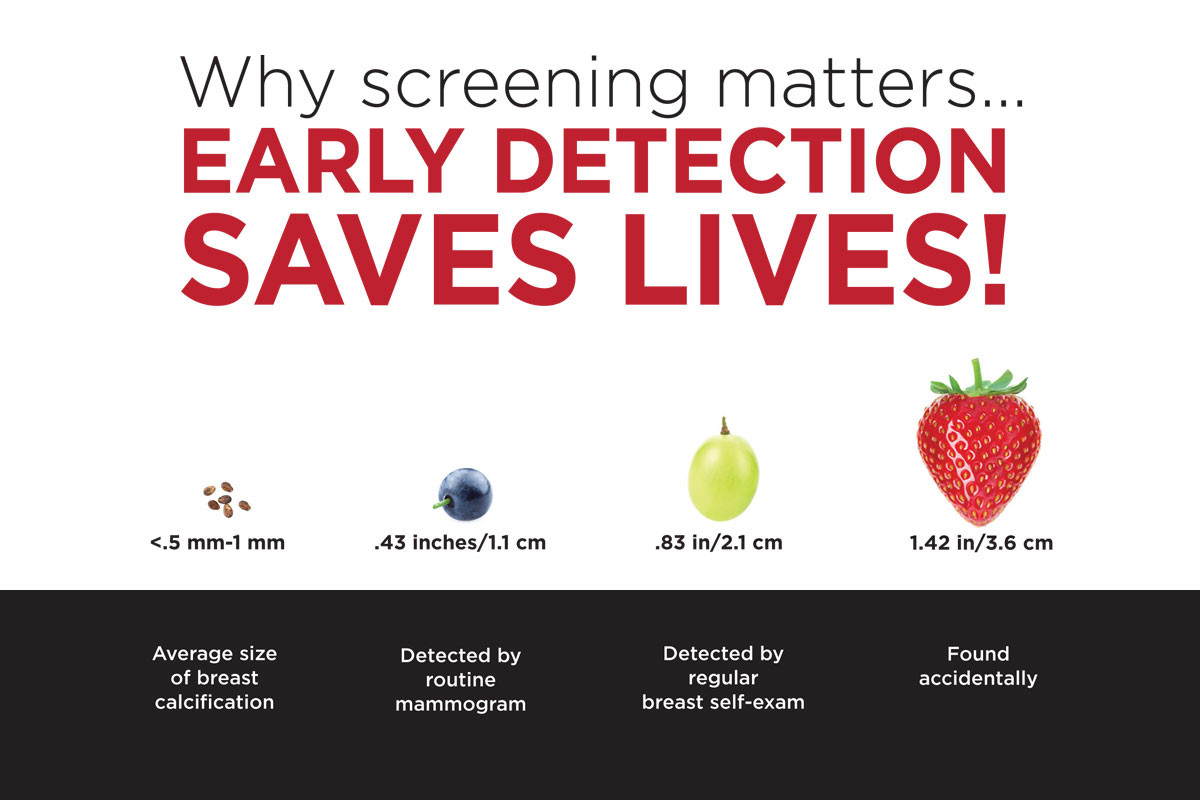
Prostate Cancer in Black Men: Why Early Screening Saves Lives
Black men in the United States face a disproportionate risk of prostate cancer, with mortality rates more than double those of white men. This systemic health crisis, driven by genetic predisposition and delayed diagnosis, necessitates immediate screening starting at age 40 to close the survival gap and save lives.
The numbers are not just statistics; they are a quiet emergency playing out in living rooms across the country. One in six Black men will face a prostate cancer diagnosis in his lifetime. While the biological risk—such as the 8q24 locus genetic variant—is a factor, the real killer is the systemic failure of early detection. We are seeing a pattern where Black men are diagnosed at much later stages, often when the cancer has already metastasized, turning a treatable condition into a terminal one.
It is a brutal cycle of medical mistrust and institutional neglect.
This isn’t just a medical issue; it’s a socio-economic one. In urban centers like Atlanta, Chicago, and New York City, the disparity in outcomes is often linked to “medical deserts” where access to high-quality urological care is limited for minority populations. When a man in an underserved neighborhood has to choose between a day’s wages and a screening appointment, the cancer wins. This is why the conversation must shift from “if” to “when” and “where.”
“The survival gap is not a biological inevitability; it is a reflection of our failure to provide equitable access to preventative care. When we move the screening window forward to age 40, we aren’t just changing a guideline—we are reclaiming years of life for our fathers and sons.”
For decades, the gold standard for screening was age 45. That window was too wide. The American Urological Association and the Society of Urologic Oncology have shifted the needle, recommending that Black men and those with a family history begin PSA (Prostate-Specific Antigen) screening conversations between ages 40 and 45. This five-year shift is the difference between a localized tumor that can be surgically removed and a systemic disease that requires aggressive chemotherapy.
To understand the scale of the problem, consider the impact of early vs. Late detection:
| Detection Stage | Typical Outcome | Impact on Mortality |
|---|---|---|
| Early (Localized) | High curative potential via surgery/radiation | Mortality reduced by up to 30% |
| Late (Metastatic) | Palliative care and systemic therapy | Significantly higher mortality rate |
The solution requires a multi-pronged approach. First, men must move from passive patients to active advocates. If a physician dismisses concerns or fails to order a PSA test, the patient must push back. Second, the community needs a bridge to vetted medical professionals who understand the specific nuances of Black men’s health. Finding a provider who prioritizes culturally competent care is essential, and utilizing a specialized healthcare provider directory can aid men locate urologists who specialize in high-risk populations.
Beyond the clinic, there is a legal and policy dimension to this crisis. The disparity in outcomes often leads to complex insurance disputes and challenges in accessing experimental treatments. Families dealing with late-stage diagnoses often find themselves navigating a labyrinth of medical billing and insurance denials. In these instances, consulting with medical malpractice or patient advocacy attorneys becomes a necessity to ensure that patients receive the standard of care they are entitled to under the law.
The historical context of medical mistrust in the Black community—rooted in atrocities like the Tuskegee Syphilis Study—cannot be ignored. This trauma manifests as a reluctance to undergo invasive exams, such as the Digital Rectal Exam (DRE). However, the modern medical landscape offers more options, including blood-based PSA tests and advanced imaging, which can mitigate some of the anxiety associated with traditional screenings.
According to the American Cancer Society, the disparity in mortality is exacerbated by the “stage shift”—the phenomenon where Black men are simply diagnosed later. When access is equalized, as seen in specific Veterans Affairs (VA) hospital studies, the survival gap nearly disappears. This proves that the problem is not the race of the patient, but the quality and timing of the care.
We must too look at the role of community health organizations. Local nonprofits and faith-based initiatives are often the first line of defense. By partnering with local health advocacy groups, cities can implement mobile screening clinics that bring the doctor to the neighborhood, removing the transportation and time barriers that plague low-income areas.
The urgency of this moment cannot be overstated. We are currently in a window where updated guidelines can actually flip the script on prostate cancer mortality. But guidelines are just ink on paper if the men they are designed to save don’t walk through the clinic doors.
The conversation is no longer about whether the risk exists—we know it does. The question is whether we will allow a preventable death to be viewed as an inevitability. True health equity is not found in a brochure; it is found in the proactive decision to get screened at 40, to ask the hard questions during a consultation, and to demand a healthcare system that treats a Black man’s life as an asset worth saving.
The cost of silence is too high. Whether you are a son, a father, or a mentor, the most courageous act you can perform for your family is to schedule that appointment. For those seeking the right path toward recovery or prevention, the World Today News Directory remains a vital resource for connecting with the verified medical experts and legal advocates equipped to navigate this crisis.