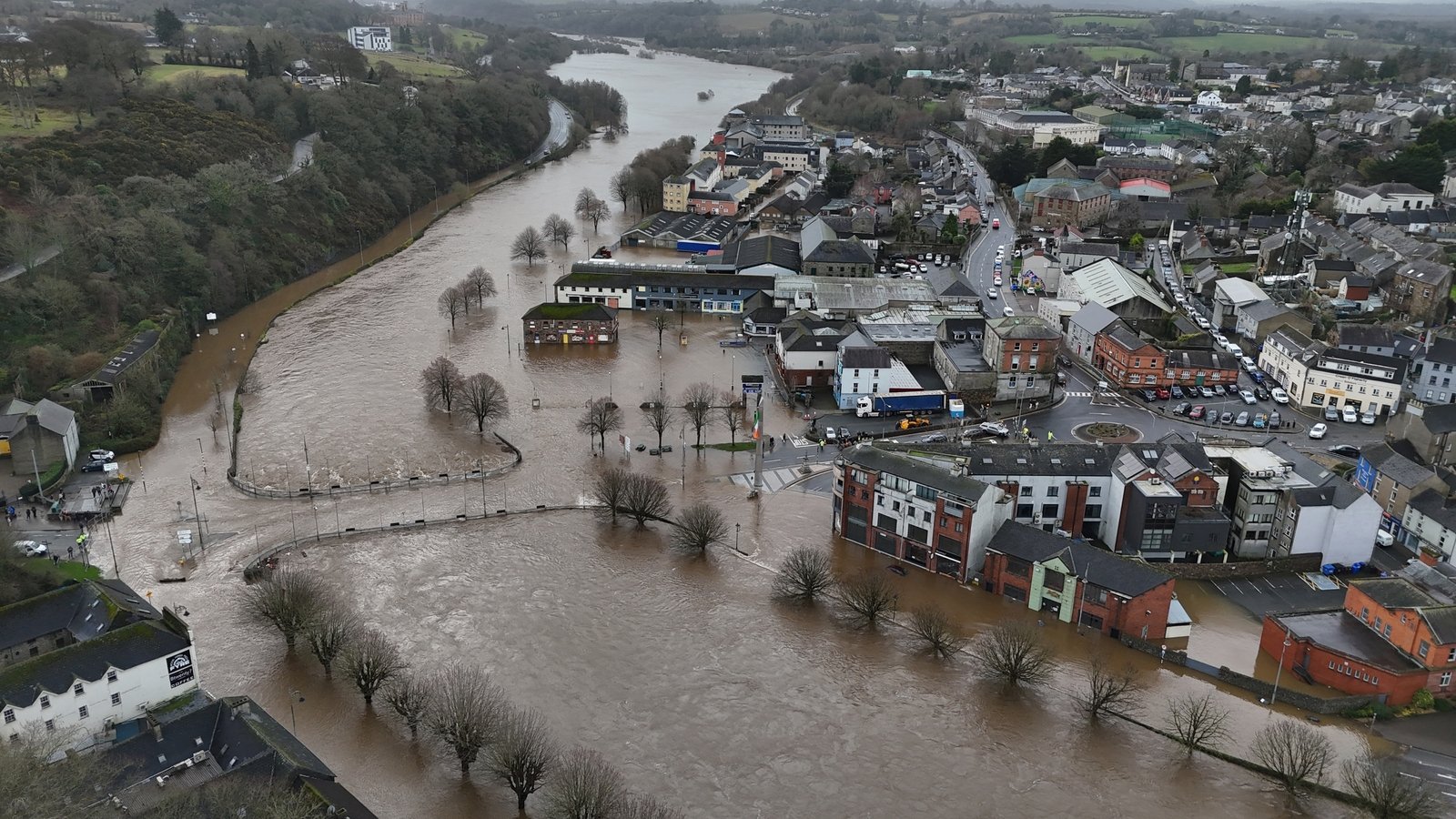
Proposed New Levy for Sustainable Flood Insurance Fund
The Irish government is considering a new, mandatory levy on insurance premiums to capitalize a sustainable national flood insurance fund, according to recent proposals discussed in Dáil Éireann. This legislative shift aims to mitigate systemic risk for homeowners in flood-prone zones, addressing the widening protection gap that currently threatens regional real estate market stability.
The Fiscal Mechanics of Flood Mitigation
The proposal centers on creating a dedicated financial vehicle to subsidize coverage for high-risk properties, as traditional private-market underwriting becomes increasingly restrictive. By shifting the cost burden through a broad-based levy, the state intends to prevent a liquidity crunch in the property sector where uninsurable assets risk becoming stranded. This model mirrors successful catastrophe-bond structures, where pooled capital absorbs volatility that would otherwise destabilize individual balance sheets.
For corporate entities and property developers, this shift signals an end to the era of “as-is” risk assessment. Firms must now integrate climate-adjusted actuarial modeling into their long-term capital expenditure plans. Those failing to conduct rigorous due diligence on site-specific hydrology risk face significant valuation haircuts during asset divestment or refinancing rounds.
Capital Allocation and Market Volatility
Institutional investors are closely monitoring the potential impact of this levy on the broader insurance sector’s EBITDA margins. While the fund promises to stabilize the underlying property market, the immediate effect on insurers involves increased administrative overhead and potential premium price sensitivity among consumers. According to data from the Central Bank of Ireland, climate-related financial risks are now a pillar of prudential supervision, forcing firms to disclose exposure levels with greater granular accuracy.
“The transition to a state-backed insurance mechanism is a rational response to the failure of private markets to price climate tail-risk effectively,” notes an analyst at a leading European financial services firm. “However, the success of this fund depends entirely on the accuracy of the underlying risk mapping. Without precise geospatial data, the levy risks being misallocated, creating a moral hazard that encourages development in high-risk zones.”
Strategic Risk Management for Corporate Stakeholders
The introduction of a statutory levy creates an immediate need for specialized advisory services. As the regulatory framework evolves, property owners and commercial landlords require sophisticated legal and financial guidance to manage their increased tax liabilities and insurance compliance requirements. Failure to align with these emerging standards could result in costly litigation or the loss of institutional financing.
Corporate entities should seek counsel from a specialized commercial insurance brokerage to optimize their risk transfer strategies ahead of the legislative implementation. Similarly, firms involved in large-scale infrastructure projects must engage with environmental risk consulting firms to ensure that their project portfolios remain compliant with the evolving regulatory landscape. These experts provide the necessary technical audits to defend asset valuations against prospective climate-change-related depreciation.
The Path Toward Institutional Resilience
Looking toward the 2027 fiscal year, the integration of climate-risk into corporate balance sheets is no longer optional. The proposed levy is merely the first step in a broader regulatory push to internalize the cost of environmental volatility. Boards of directors must treat these insurance costs as a fixed operational expense rather than a transient market disruption.
Market participants who prioritize proactive risk management will likely secure better credit terms and stronger equity valuations than their reactive peers. As the legislative process moves forward, connecting with corporate law firms specializing in regulatory compliance will be essential for navigating the transition. The firms that successfully leverage these professional partnerships today will find themselves better positioned to maintain liquidity and operational continuity when the new regulatory regime takes full effect.