
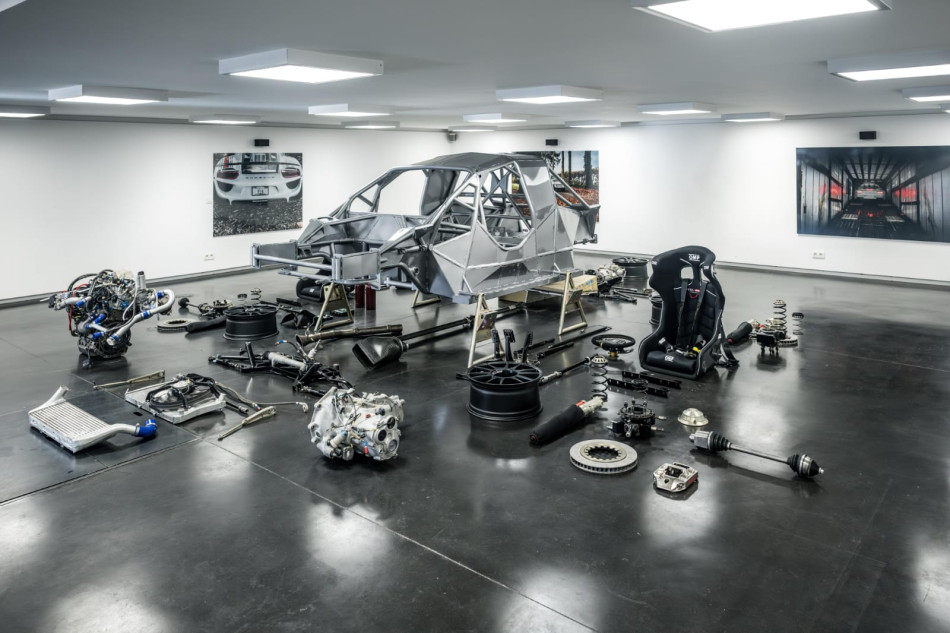
Project Rally One is now at the center of a structural shift involving the cost‑controlled,open‑entry framework of the World Rally Championship. The immediate implication is a broadened competitive field that could reshape supplier contracts, sponsorship flows, and technology diffusion across the high‑performance automotive sector.
The Strategic Context
The FIA’s ten‑year regulatory plan for the WRC, culminating in the WRC27 specifications, reflects a long‑standing tension between the sport’s heritage of manufacturer dominance and the need to contain escalating advancement costs. By capping car price at €345 000 and mandating a standardized safety cell, suspension geometry and a sustainably‑fuelled 1.6 L turbo engine, the governing body seeks to lower entry barriers, attract privateer tuners, and sustain the sport’s commercial viability amid broader automotive industry pressures toward electrification, carbon‑neutrality, and tighter budgets. This regulatory redesign aligns with a global trend of “platform sharing” and cost‑effective engineering seen in both road‑car and motorsport domains, aiming to preserve technological relevance while diversifying the participant base.
core Analysis: incentives & Constraints
Source Signals: The FIA announced that Project Rally One, founded by Lionel Hansen and Yves Matton, is the first tuner‑led constructor to enter the WRC under the new WRC27 rules. The car complies with a €345 000 cost cap, features a tubular safety cell, double‑wishbone suspension, four‑wheel drive and a sustainably‑fuelled 1.6 L turbo engine. The chassis is complete,prototype assembly is underway,and a shakedown is planned for spring 2026. FIA officials highlighted the regulatory framework’s role in reducing costs, broadening participation, and ensuring long‑term stability.
WTN Interpretation:
- Incentives: Project Rally One leverages the new cost‑cap to enter a market previously dominated by oems, gaining access to the global WRC audience and associated sponsorship capital. The tuner’s expertise in suspension and geometry offers a differentiation point that can attract customer teams seeking competitive yet affordable machinery. For the FIA, endorsing a tuner‑led entry validates the regulatory reform, signaling to other private entities that the barrier to entry is now manageable, which can stimulate a pipeline of new constructors and diversify revenue streams.
- Constraints: The tuner must meet strict homologation timelines (production of ten cars within 24 months) and demonstrate reliability across varied rally terrains, a challenge given limited economies of scale compared with manufacturers.Additionally, the sustainability mandate (fuel‑type) may require new supply contracts and compliance monitoring, adding operational complexity. The FIA’s oversight and the need for consistent safety standards impose further compliance costs that could strain a smaller operation.
- Leverage: Project Rally One holds technical expertise and a niche brand narrative that can attract niche sponsors seeking authenticity. The FIA holds regulatory authority and the ability to grant or withhold homologation, effectively controlling market entry.
WTN Strategic Insight
“The opening of WRC homologation to tuners is a micro‑cosm of the automotive industry’s broader pivot: cost‑controlled platforms invite new entrants, redistribute innovation incentives, and reshape the competitive economics of high‑performance engineering.”
Future Outlook: Scenario Paths & Key indicators
Baseline Path: If Project Rally One completes homologation on schedule, delivers the required ten cars, and demonstrates competitive performance, the WRC field will expand to include additional privateer constructors. This will likely stimulate a modest increase in sponsorship budgets allocated to non‑OEM teams, encourage ancillary suppliers (suspension, electronics) to develop rally‑specific modules, and reinforce the FIA’s cost‑control narrative, prompting other motorsport series to consider similar regulatory openings.
Risk Path: If technical or financial hurdles delay homologation, or if the car fails to achieve parity with OEM entries, the FIA may reassess the cost‑cap parameters, potentially tightening regulations or re‑imposing barriers that could deter further privateer participation. A high‑profile under‑performance could also erode sponsor confidence, limiting funding for future tuner‑led projects and reinforcing the status quo of manufacturer dominance.
- Indicator 1: Completion of the first shakedown test (scheduled spring 2026) and subsequent performance data relative to existing WRC cars.
- Indicator 2: FIA’s official homologation decision and the timeline for the production of the ten required cars (to be announced within the next 3‑6 months).
