
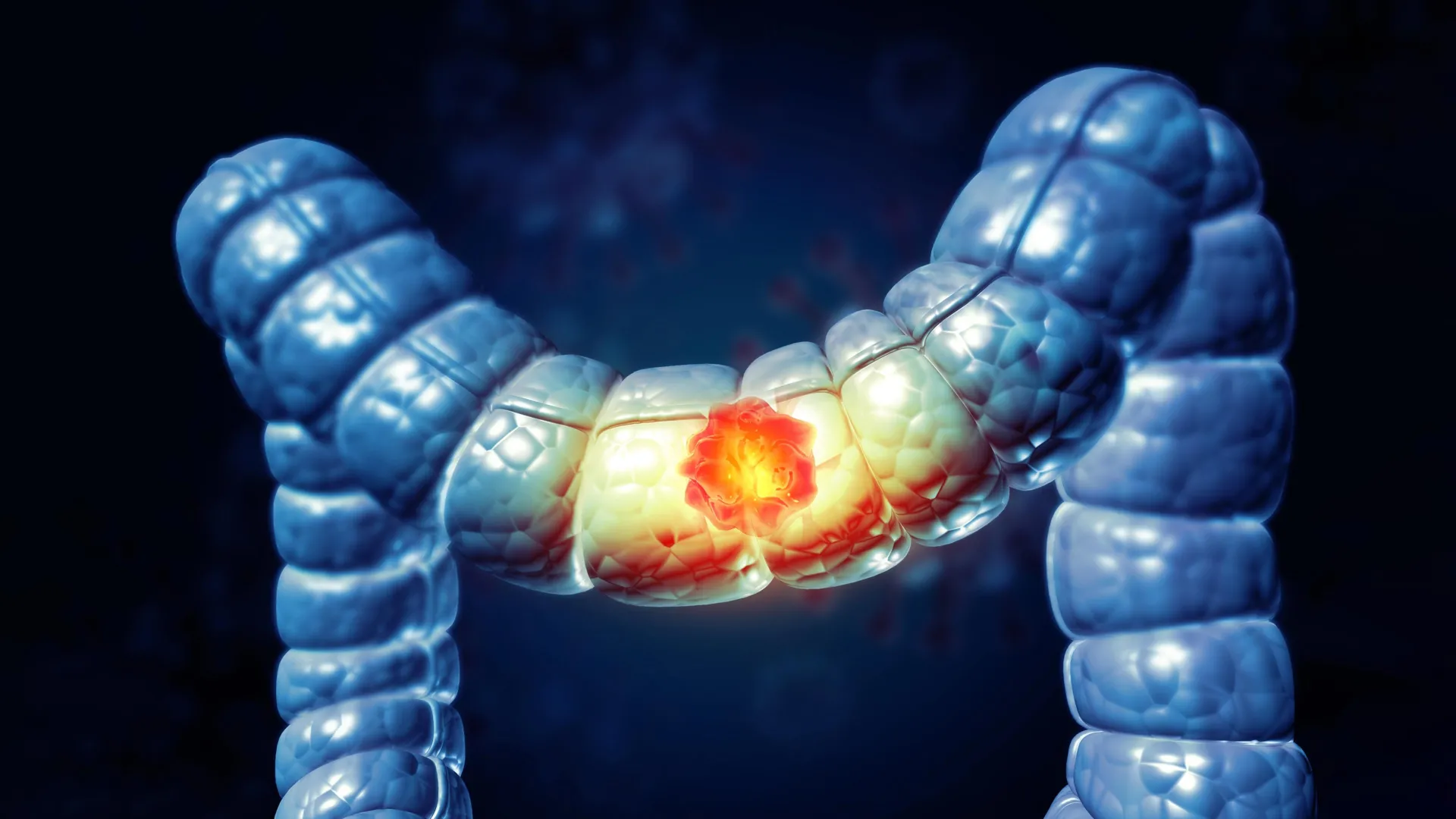
Processed Meat & Colon Cancer: Awareness Gap & Prevention Tips | PCRM
Nearly half of U.S. Adults are unaware of the link between processed meat consumption and an increased risk of colorectal cancer, according to a new poll released this week by the Physicians Committee for Responsible Medicine and Morning Consult. The findings, published on February 24, 2026, coincide with National Colorectal Cancer Awareness Month in March.
The survey, conducted February 9-11, 2026, among 2,202 U.S. Adults, revealed that 66% of respondents would support warning labels on processed meat products if informed of the increased cancer risk. This suggests a willingness among the public to receive clearer information about potential health hazards associated with these foods.
Colorectal cancer is now the leading cause of cancer deaths in adults under 50, a trend that makes the lack of public awareness particularly concerning, according to Joseph Barrocas, MD, an internal medicine specialist from Huntersville, North Carolina. “In light of colorectal cancer now being the leading cause of cancer deaths in adults under 50, it’s concerning that so many people still don’t know about the strong connection between eating processed meat and the risk of developing colorectal cancer,” Dr. Barrocas said.
The poll also highlighted a gap in communication between healthcare providers and patients regarding dietary risks. Only about one-third of adults reported receiving information from a healthcare professional about the connection between processed meat and colon cancer. Dr. Barrocas emphasized the necessitate for increased education among medical practitioners. “More health care practitioners have to be educated about the link between diet and colorectal cancer,” he stated, “and in addition to recommending screening, discuss with patients the protective benefits of a diet rich in fruits, vegetables, grains and beans.”
Research indicates that adopting a plant-based diet can significantly reduce the risk of colorectal cancer. Individuals following a plant-based diet have a 22% lower risk of all types of colorectal cancers compared to those consuming an omnivorous diet. This benefit is attributed to the presence of phytochemicals in plant foods, which offer protective properties against cancer development.
Beyond dietary choices, maintaining a healthy weight, limiting alcohol consumption, and engaging in regular physical activity are also associated with a lower risk of colorectal cancer. Fiber intake plays a crucial role, with studies showing that individuals with the highest fiber consumption have a 72% lower risk of developing colon polyps, precursors to colorectal cancer, compared to those with the lowest intake. According to Anna Herby, DHSc, RD, CDE, a nutrition education specialist for the Physicians Committee, “Research shows that for every 10 grams of fiber we eat each day, we can lower our colorectal cancer risk by up to 10%.” She cited simple dietary additions like raspberries, chia seeds, and black beans as effective ways to increase fiber intake.
The Physicians Committee’s Food for Life program is offering plant-based nutrition and cooking classes online and across the United States throughout March to educate individuals on the role of diet in cancer prevention.